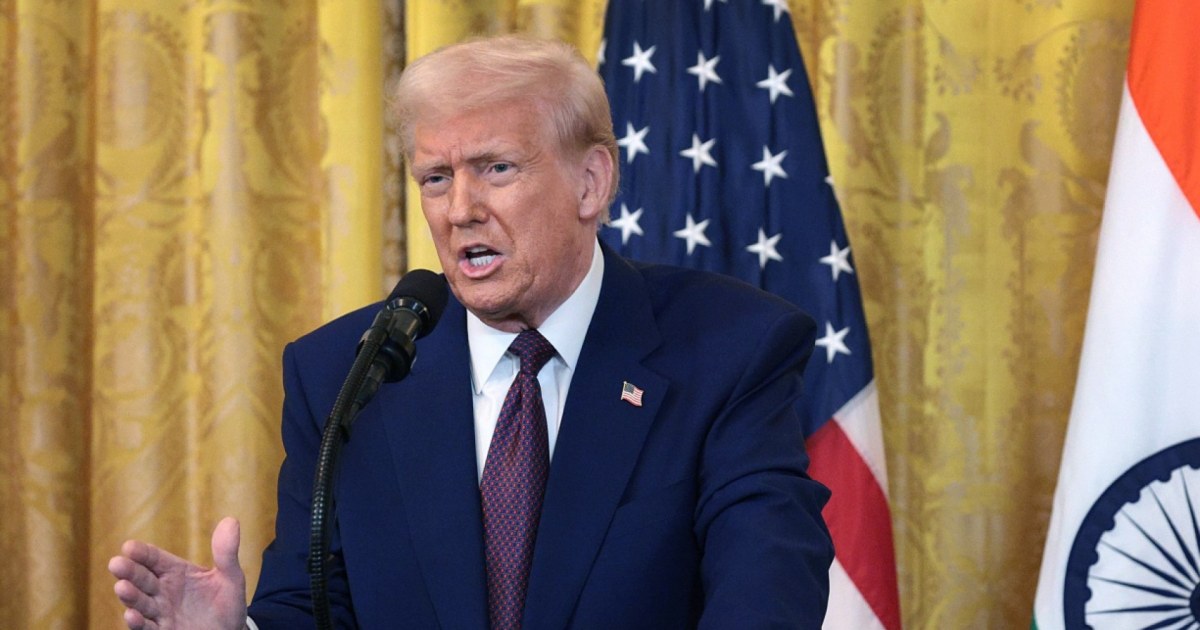
Trump’s Bold Move: Reciprocal Tariffs on the Horizon for India and Beyond
In a significant shift in trade policy, former President Trump has unveiled plans for reciprocal tariffs aimed at India and other trading partners. This decision could reshape international trade dynamics and provoke reactions from global markets. As economies around the world continue to recover from the disruptions caused by the COVID-19 pandemic, Trump’s announcement has reignited debates over trade fairness, economic nationalism, and the future of global commerce.
Understanding Reciprocal Tariffs
Reciprocal tariffs are import duties imposed by a country in response to tariffs levied by another nation. The principle behind such tariffs is straightforward: if one country imposes tariffs on goods from another, the affected nation retaliates with its own tariffs. This approach aims to level the playing field, ensuring that domestic industries are not disadvantaged by foreign trade practices.
Trump’s proposition to impose reciprocal tariffs specifically targets nations perceived to have unfair trade practices, with India being a primary focus due to its significant trade relationship with the United States. The underlying goal is to protect American jobs and industries from what Trump and his supporters describe as “unfair competition.”
The Implications for India
India, as one of the largest emerging markets, has been a focal point for U.S. trade policy for several years. The potential introduction of reciprocal tariffs could have a profound impact on various sectors:
- Textiles and Apparel: India is a major supplier of textiles and apparel to the U.S. market. Increased tariffs could lead to higher prices for American consumers and reduced competitiveness for Indian manufacturers.
- Technology and Pharmaceuticals: India is also a key player in the tech and pharmaceutical sectors. Tariffs on Indian exports could disrupt supply chains and raise costs for American companies relying on Indian goods.
- Automobiles: The automotive sector, particularly in states like Michigan, could feel the pinch if reciprocal tariffs lead to higher costs for parts and vehicles imported from India.
Moreover, the Indian government is likely to respond with its own set of tariffs, which could escalate into a trade war, reminiscent of the U.S.-China trade tensions experienced during Trump’s previous administration. Such a scenario could lead to a ripple effect across global markets, impacting not only bilateral trade between the U.S. and India but also relationships with other nations.
Global Reactions and Market Dynamics
The announcement of reciprocal tariffs has stirred various reactions from global markets. Investors and analysts are closely monitoring the situation, as trade tensions can lead to volatility in stock prices, foreign exchange rates, and commodity markets. Here are some possible outcomes:
- Market Volatility: Increased uncertainty surrounding trade policies can lead to fluctuations in stock markets as investors react to news and speculate on the implications of tariffs.
- Supply Chain Disruptions: Companies that rely on international supply chains may face increased costs and delays, prompting them to reevaluate their sourcing strategies.
- Inflationary Pressures: Higher tariffs can result in increased prices for goods, contributing to overall inflation, which central banks may need to address through monetary policy adjustments.
The Bigger Picture: Trade Policy in the Biden Era
While Trump’s bold move signals a return to the trade policies that characterized his presidency, it also raises questions about the broader direction of U.S. trade policy under the Biden administration. President Biden has taken a different approach, emphasizing multilateral agreements and cooperation with allies. However, the emergence of reciprocal tariffs could force the current administration to reassess its strategies.
The Biden administration has already faced pressures from various stakeholders to take a firmer stance on trade issues, particularly concerning China and other nations with whom the U.S. has trade imbalances. Trump’s announcement may provide a political impetus for Biden to adopt a more confrontational trade stance, especially as midterm elections approach.
Potential Alternatives to Tariffs
While reciprocal tariffs can be a tempting solution to perceived trade injustices, there are alternative approaches that could promote fair trade without escalating tensions:
- Negotiation and Diplomacy: Engaging in direct negotiations with trading partners can lead to more amicable solutions, fostering cooperation rather than conflict.
- Trade Agreements: Pursuing comprehensive trade agreements that address issues such as labor standards, environmental protections, and intellectual property can create a more level playing field without resorting to tariffs.
- Support for Domestic Industries: Investing in domestic industries through subsidies or tax incentives can bolster competitiveness without the need for retaliatory tariffs.
Trump’s bold move to propose reciprocal tariffs on India and beyond is a significant development in the ever-evolving landscape of international trade. As nations grapple with the implications of such policies, the potential for trade wars looms large, threatening economic stability and growth.
While the immediate impact of these tariffs may be felt in specific sectors, the broader consequences could reshape global trade dynamics for years to come. As stakeholders examine the potential fallout, it is crucial for policymakers to consider alternative approaches that promote fairness and cooperation without resorting to punitive measures.
In this uncertain environment, the world watches closely as the U.S. navigates its trade relationships, with the hope that diplomacy and collaboration will prevail over isolationism and protectionism. The outcome of this bold move could serve as a defining moment in the future of global trade.
See more CCTV News Daily