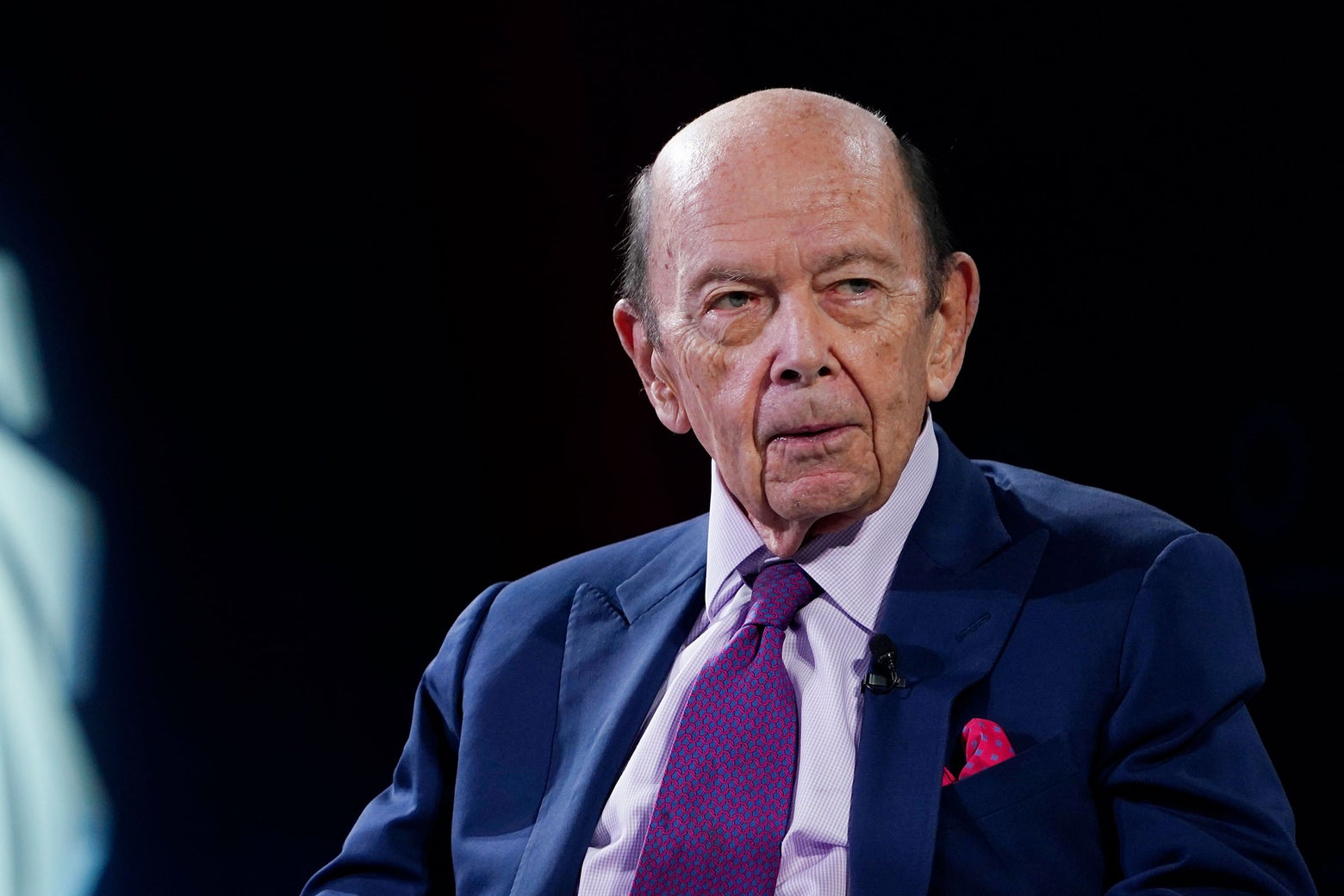
Inside the Mind of the Architect Behind Trump’s Tariffs
The mastermind behind former President Donald Trump’s aggressive tariff strategy has broken his silence, offering rare insights into the rationale and future implications of the controversial trade policies. In an exclusive interview, Peter Navarro, the economist and former White House trade advisor, revealed the thinking behind the latest tariff adjustments and their potential to reshape global commerce. As the Biden administration considers extending some measures, Navarro defends the approach as necessary for protecting American industries—while critics warn of escalating trade wars and economic fallout.
The Genesis of the Tariff Strategy
Navarro, often dubbed “the father of Trump’s tariffs,” crafted the original 2018-2019 tariff framework that imposed levies on over $350 billion worth of Chinese imports. His latest comments come as the U.S. weighs new 60% tariffs on Chinese electric vehicles and additional duties on steel and aluminum. “The fundamental calculus hasn’t changed,” Navarro asserted. “When you’re dealing with predatory trade practices, tariffs are the only language that gets through.”
Key elements of Navarro’s philosophy include:
- Reciprocal trade: Matching foreign tariffs dollar-for-dollar
- Supply chain security: Reducing dependence on geopolitical rivals
- Industrial revival: Protecting critical manufacturing sectors
Recent Commerce Department data shows the U.S. collected $85 billion in tariff revenue from 2018-2021, though economists debate whether consumers or foreign producers ultimately bore the cost. A 2023 Peterson Institute study found tariffs reduced U.S. GDP by 0.2% annually—equivalent to $50 billion in lost economic activity.
Economic Impacts and Industry Responses
The ripple effects continue to polarize experts. While steel producers praise the measures—U.S. Steel production capacity grew 12% since 2018—downstream manufacturers report severe strain. “For every steel job protected, we lose five in auto parts,” argued MIT economist David Autor, whose research shows tariff costs disproportionately hit Midwestern manufacturing hubs.
Navarro counters with Bureau of Labor Statistics data showing 481,000 manufacturing jobs added during Trump’s tenure. “The naysayers predicted economic armageddon,” he noted. “Instead, we got the hottest manufacturing job market in 30 years.” However, economists attribute much of that growth to broader economic conditions and tax policies rather than tariffs alone.
The Geopolitical Chess Game
Beyond economics, Navarro frames tariffs as essential national security tools. “When China controls 80% of rare earth minerals or dominates pharmaceutical ingredients, that’s not just trade—that’s vulnerability,” he emphasized. The strategy appears to have forced some concessions; China reduced auto tariffs from 25% to 15% during negotiations.
Yet retaliation came swiftly:
- China imposed $110 billion in counter-tariffs targeting agricultural exports
- EU levied duties on $3.4 billion of U.S. goods including bourbon and motorcycles
- Canada and Mexico responded with $20 billion in combined tariffs before USMCA revisions
“Trade wars aren’t won unilaterally,” cautioned former USTR negotiator Wendy Cutler. “The question is whether the gains outweigh the collateral damage.”
What the New Tariff Wave Could Bring
With the 2024 election looming, trade policy re-emerges as a pivotal issue. The Biden administration has maintained 92% of Trump-era China tariffs while adding targeted tech restrictions. Navarro’s blueprint now informs proposals for:
- Across-the-board 10% tariffs on all imports
- Sector-specific tariffs exceeding 60% on green energy products
- Currency manipulation penalties
Financial markets already react to the rhetoric. The S&P 500’s industrial sector swung 8% in volatility around recent tariff announcements. “Investors hate uncertainty,” noted Goldman Sachs analyst Jan Hatzius. “The specter of escalating tariffs could dampen capital expenditures by 15% in vulnerable industries.”
Long-Term Consequences and Alternatives
Proponents argue short-term pain yields lasting benefits. The Semiconductor Industry Association credits tariffs with helping secure $52 billion in CHIPS Act funding. “Sometimes you need a stick to get to carrots,” Navarro remarked.
Critics propose alternative approaches:
- Multilateral pressure through WTO reforms
- Alliances like the Indo-Pacific Economic Framework
- Direct subsidies for domestic producers
As the debate intensifies, one reality becomes clear: the architect’s vision continues shaping policy long after leaving office. Whether this cements America’s industrial revival or triggers stagflation may define the next decade of global economics.
For deeper analysis on how tariff policies could affect specific industries, subscribe to our trade policy newsletter for weekly expert breakdowns.
See more CCTV News Daily