Unpacking the Hidden Impact of Trump’s Tariffs on Low-Income Communities
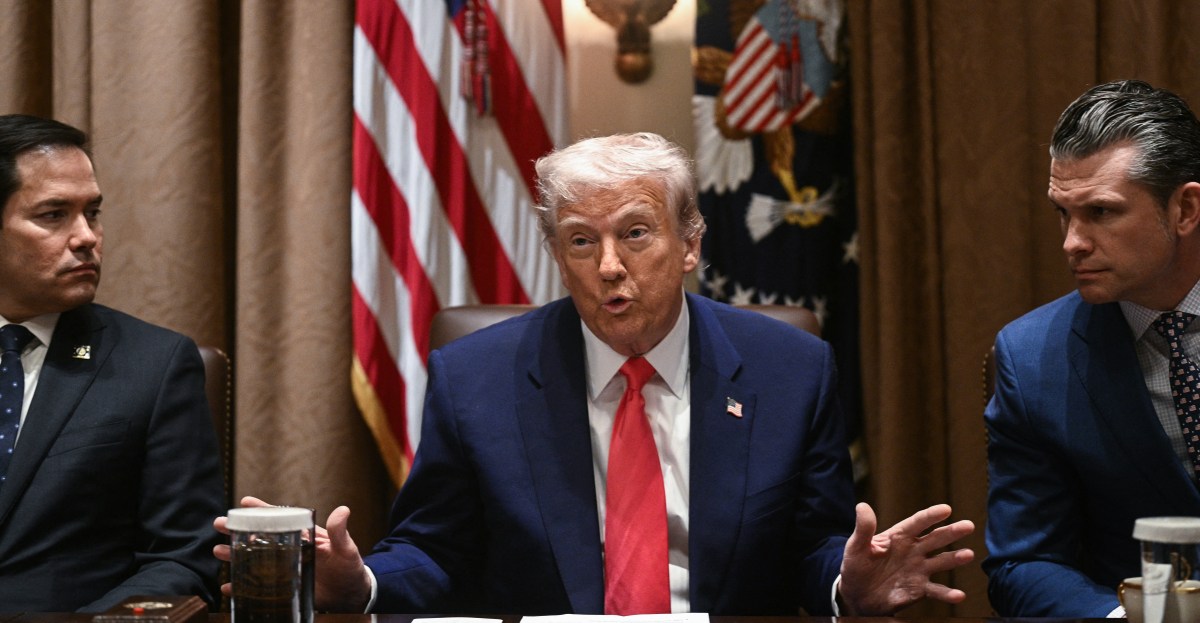
When former President Donald Trump imposed sweeping tariffs on imported goods in 2018, the policy aimed to protect American industries. However, five years later, economists and advocacy groups reveal a stark reality: these tariffs disproportionately burden low-income households. From higher grocery bills to job losses in vulnerable sectors, the ripple effects of trade wars have deepened inequality while failing to deliver promised benefits.
The Economic Domino Effect of Tariffs
Trump’s tariffs targeted over $300 billion worth of Chinese imports, alongside levies on steel, aluminum, and other goods. While proponents argued they would revive U.S. manufacturing, research from the Federal Reserve and Brookings Institution shows a different outcome. Low-income families, who spend a larger share of their income on basic goods, faced immediate price hikes. For example:
- Grocery costs rose 2-3% due to tariffs on food staples like canned fish and vegetables.
- Budget appliances, such as washing machines, spiked 12%—hitting renters and working-class households hardest.
- Small businesses reliant on imported materials cut jobs or reduced hours to offset costs.
Dr. Laura Tyson, an economist at UC Berkeley, notes, “Tariffs function like a regressive tax. The financial strain on low-wage earners is often invisible in macroeconomic data but devastating in reality.”
Voices from the Frontlines: Stories of Struggle
In Detroit, single mother Maria Gonzalez saw her weekly grocery bill jump by $15—a significant strain on her $30,000 annual income. “I switched to cheaper brands, but even those got expensive,” she says. Meanwhile, in rural Ohio, a steel-dependent factory closed despite tariffs, leaving 150 workers unemployed.
Such cases underscore a double blow: tariffs raised living costs while failing to safeguard jobs in at-risk industries. A 2021 study by the National Bureau of Economic Research found that tariff-related job losses outpaced gains by a 3-to-1 margin in low-income regions.
Expert Perspectives: Who Really Pays?
Proponents, including former U.S. Trade Representative Robert Lighthizer, maintain that tariffs were necessary to counter China’s unfair trade practices. “Long-term competitiveness requires short-term sacrifices,” Lighthizer argued in a 2022 op-ed.
However, critics highlight the policy’s blind spots. “The calculus ignored how tariffs amplify inequality,” says Harvard economist Raj Chetty. “Wealthier households absorb price increases easily, but for millions, it’s the difference between paying rent or buying medication.”
The Road Ahead: Policy Reforms and Community Solutions
As the Biden administration reviews these tariffs, advocates urge targeted relief for affected communities. Proposed measures include:
- Expanding earned-income tax credits to offset higher costs.
- Investing in job retraining programs for displaced workers.
- Exempting essential goods, like baby formula and medicines, from future tariffs.
While the debate over trade policy continues, one truth is clear: the human cost of tariffs demands urgent attention. To stay informed on economic policies affecting your community, subscribe to our newsletter for weekly updates.
Conclusion: A Call for Equitable Trade Policies
The legacy of Trump’s tariffs reveals a cautionary tale about unintended consequences. As lawmakers weigh new trade strategies, balancing global competitiveness with domestic equity will be critical. For now, the data—and the voices of those most impacted—paint a compelling case for reform.
See more CCTV News Daily