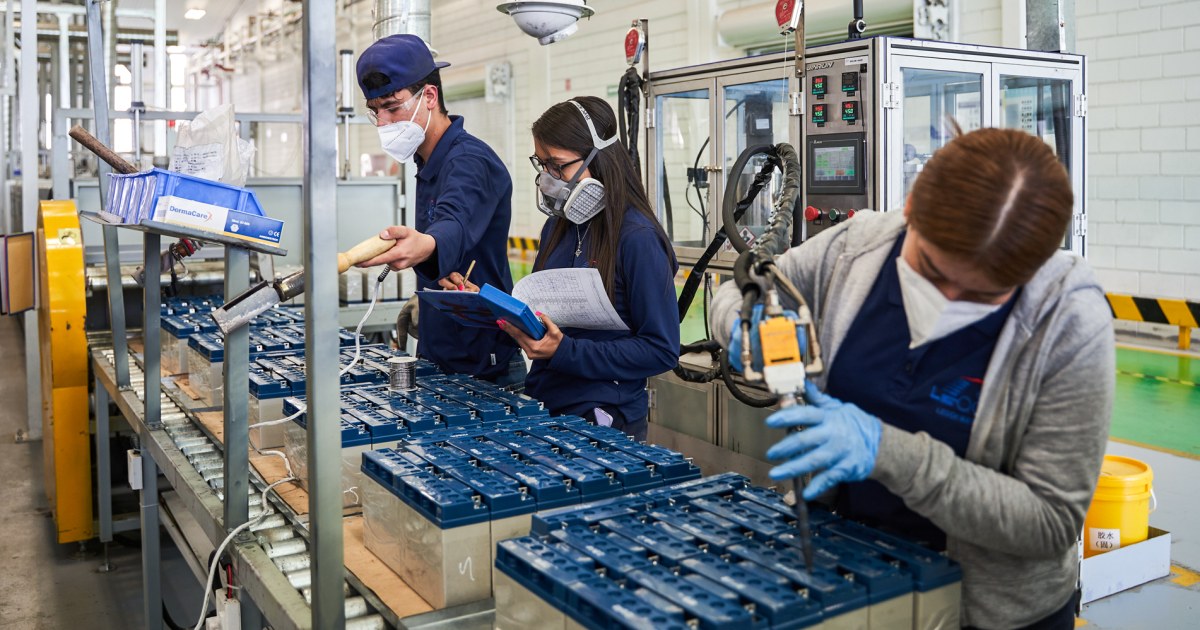
How Trump’s Tariff Threats are Sparking a Manufacturing Renaissance in Mexico
In recent years, the global economic landscape has been dramatically reshaped by shifting trade policies and geopolitical tensions. Among these shifts, the ongoing tariff threats made by former President Donald Trump against China have inadvertently set the stage for a manufacturing renaissance in Mexico. As companies reassess their supply chains and seek alternatives to Chinese manufacturing, Mexico has emerged as a prime destination for investment and production. This article explores how Trump’s tariff threats are catalyzing this transformation, the implications for both Mexico and the United States, and the broader trends at play in global manufacturing.
The Context of Tariff Threats
In an effort to protect American industries and reduce the trade deficit, the Trump administration implemented a series of tariffs on Chinese goods, resulting in increased costs for American businesses that rely on imported materials. The tariffs, which at times reached as high as 25%, were aimed at pressuring China into changing its trade practices and intellectual property policies. While these tariffs were intended to bolster American manufacturing, they also prompted companies to reconsider their sourcing strategies.
Shifting Supply Chains
As the trade war escalated, many U.S. companies began to explore alternatives to China for their manufacturing needs. This shift was not merely a reaction to tariffs but also a strategic move to mitigate risks associated with over-reliance on a single country for production. Mexico, with its proximity to the U.S. market, skilled labor force, and favorable trade agreements, quickly emerged as a viable option.
- Proximity to the U.S. – Mexico’s geographical closeness allows for shorter shipping times and lower transportation costs, making it an attractive option for manufacturers looking to serve the American market.
- Skilled Workforce – Mexico has a growing pool of skilled workers, particularly in manufacturing sectors such as automotive and electronics, which are critical for companies aiming to maintain quality and efficiency.
- Trade Agreements – The United States-Mexico-Canada Agreement (USMCA) provides favorable trade terms, reducing tariffs and encouraging investment in the region.
Impact on Mexico’s Manufacturing Sector
The influx of investment prompted by Trump’s tariff threats has led to significant growth in Mexico’s manufacturing sector. Companies in various industries, from automotive to electronics, are establishing or expanding operations in Mexico. This trend not only boosts local economies but also enhances Mexico’s position in the global supply chain.
Automotive Industry Boom
One of the most notable sectors experiencing growth is the automotive industry. Major manufacturers, including General Motors, Ford, and Volkswagen, have ramped up production in Mexico to capitalize on the tariff-driven shift. This surge in automotive manufacturing has created thousands of jobs and attracted substantial foreign investment.
According to the National Institute of Statistics and Geography (INEGI), the automotive sector in Mexico has seen a robust increase in production, with exports reaching record levels. The country’s ability to produce vehicles and parts at competitive prices has made it a preferred site for automakers looking to circumvent tariffs on Chinese imports.
Electronics and Consumer Goods
Beyond automotive, the electronics industry is also thriving. Companies such as Samsung and LG have invested heavily in manufacturing plants in Mexico, drawn by the prospects of cost savings and access to the North American market. This shift not only diversifies Mexico’s manufacturing base but also positions it as a critical player in the global electronics supply chain.
Challenges and Considerations
While the manufacturing renaissance in Mexico presents numerous opportunities, it is not without challenges. Issues such as security, regulatory hurdles, and labor rights have the potential to impact the sustainability of this growth.
Security Concerns
Violence and crime in certain regions of Mexico can pose risks to businesses and their employees. Companies must navigate these challenges to ensure the safety of their operations. Many firms are investing in security measures and engaging with local communities to mitigate these risks.
Regulatory Environment
Mexico’s regulatory framework can sometimes be complex and cumbersome, potentially deterring foreign investment. Streamlining regulations and improving transparency will be essential for Mexico to maintain its attractiveness as a manufacturing hub.
Labor Rights Issues
The treatment of workers and labor rights in Mexico has come under scrutiny. Companies operating in Mexico must ensure they uphold fair labor practices to avoid reputational damage and potential legal repercussions.
The Future of Manufacturing in Mexico
Looking ahead, the manufacturing renaissance in Mexico is likely to continue as long as the geopolitical landscape remains dynamic. The ongoing tensions between the U.S. and China will likely keep companies on their toes, prompting further diversification of supply chains. Mexico stands poised to benefit from this trend, but it must also address the challenges that accompany rapid growth.
Innovation and Technology Investments
To sustain its position as a manufacturing leader, Mexico will need to invest in innovation and technology. As industries evolve, manufacturers must adopt advanced manufacturing techniques and automation to improve efficiency and competitiveness.
Building Stronger Trade Relations
Strengthening trade relations with other countries will also be crucial. By expanding its trade partnerships, Mexico can further enhance its manufacturing capabilities and attract diverse industries seeking alternatives to China.
Conclusion
In conclusion, Trump’s tariff threats against China have inadvertently sparked a significant manufacturing renaissance in Mexico. This shift is reshaping global supply chains, providing new opportunities for economic growth and job creation in the region. While challenges remain, the potential for Mexico to emerge as a manufacturing powerhouse is undeniable. By leveraging its advantages and addressing its challenges, Mexico can solidify its position as a key player in the global manufacturing landscape for years to come.
See more CCTV News Daily