“`html
Trump Predicts 2-Year Wait for Tariff-Driven Manufacturing Surge
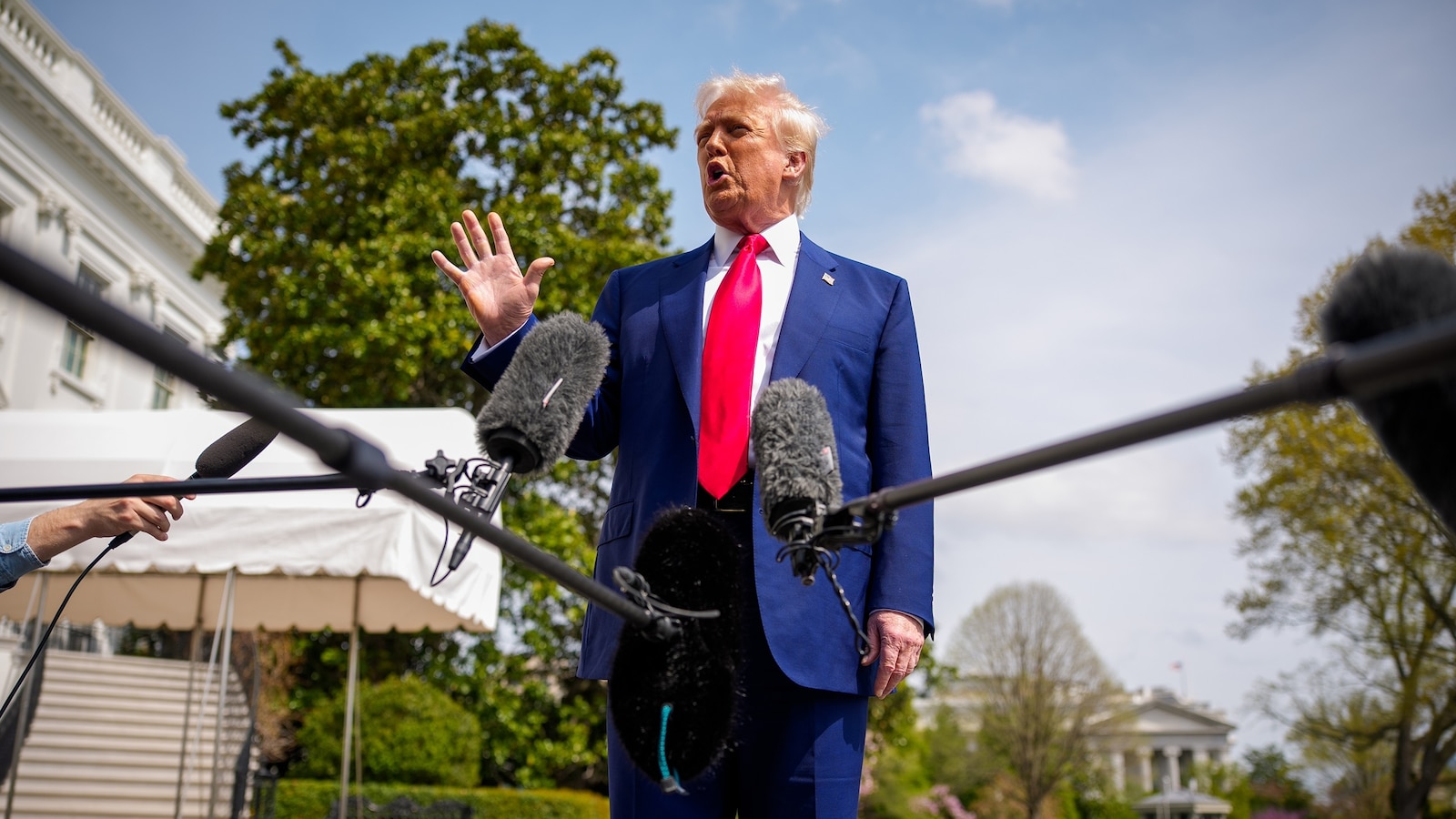
Former President Donald Trump has projected a two-year timeline for tariffs to significantly boost American manufacturing, reigniting debates about their economic impact. Speaking at a recent rally, Trump argued that protective trade measures would revive domestic industries, though experts remain divided on the potential benefits and risks. The announcement comes as policymakers weigh the long-term effects of tariffs on supply chains, consumer prices, and global trade relations.
The Vision Behind Trump’s Tariff Strategy
Trump’s latest remarks double down on his longstanding advocacy for aggressive trade policies. He contends that tariffs on foreign goods—particularly from China and Mexico—will force companies to relocate production to the U.S., creating jobs and strengthening national security. “Within 24 months, you’ll see factories sprouting up like never before,” he declared, pointing to his first-term policies that imposed $380 billion in tariffs on imports.
However, historical data paints a nuanced picture. A 2021 Peterson Institute for International Economics study found that while tariffs increased manufacturing employment by 0.3% in targeted sectors, they also raised costs for downstream industries. “Tariffs act like a tax on the very supply chains they aim to protect,” noted trade economist Dr. Linda Chen. “The net effect often cancels out the gains.”
Economic Impacts: Short-Term Pain for Long-Term Gain?
Proponents highlight successes like the steel industry, where tariffs boosted capacity utilization from 73% in 2017 to 82% by 2019. But critics warn of collateral damage:
- Consumer prices rose 0.5% annually due to tariffs during Trump’s presidency (Brookings Institution)
- The U.S. lost 300,000 jobs in agriculture from retaliatory tariffs (U.S. Department of Agriculture)
- Automakers faced $3 billion in higher costs from steel tariffs (Center for Automotive Research)
“Manufacturing rebounds require more than just tariffs,” argued industry analyst Mark Richardson. “You need workforce training, infrastructure, and R&D incentives—otherwise, companies just absorb the costs or pass them to consumers.”
Global Reactions and Supply Chain Realities
International responses could complicate Trump’s vision. When previously implemented, U.S. tariffs triggered retaliatory measures affecting $120 billion in exports. The EU prepared counter-tariffs on bourbon and motorcycles, while China slashed soybean imports by 50% in 2018.
Modern supply chains also present hurdles. A Boston Consulting Group report shows reshoring a single factory takes 18-36 months due to permitting delays and skilled labor shortages. “Two years is optimistic when you factor in construction timelines and equipment procurement,” said supply chain expert Priya Kapoor.
Political and Policy Implications
The debate intersects with election-year politics. Trump’s timeline would place the manufacturing surge in 2026—potentially during a second term. Democrats counter that infrastructure bills like the CHIPS Act offer more sustainable solutions, having already spurred $240 billion in semiconductor investments.
Meanwhile, manufacturers remain cautious. “We support domestic production but need policy consistency,” stated Jay Dawson of the National Association of Manufacturers. “Whiplash from changing trade rules disrupts planning cycles.”
What Comes Next for U.S. Manufacturing?
Key factors will determine whether Trump’s projection materializes:
- Energy costs: Cheap natural gas could offset tariff expenses for energy-intensive industries
- Automation: Advanced robotics may reduce labor dependency but limit job creation
- Trade alliances: Partnerships with NATO countries could provide alternatives to Chinese supply chains
As the 2024 election approaches, voters will weigh these complexities against promises of industrial revival. Whether tariffs deliver as advertised may depend less on their blunt force than on how they’re integrated with broader economic strategies.
For deeper analysis of trade policy impacts, subscribe to our policy newsletter for weekly expert insights.
“`
See more CCTV News Daily