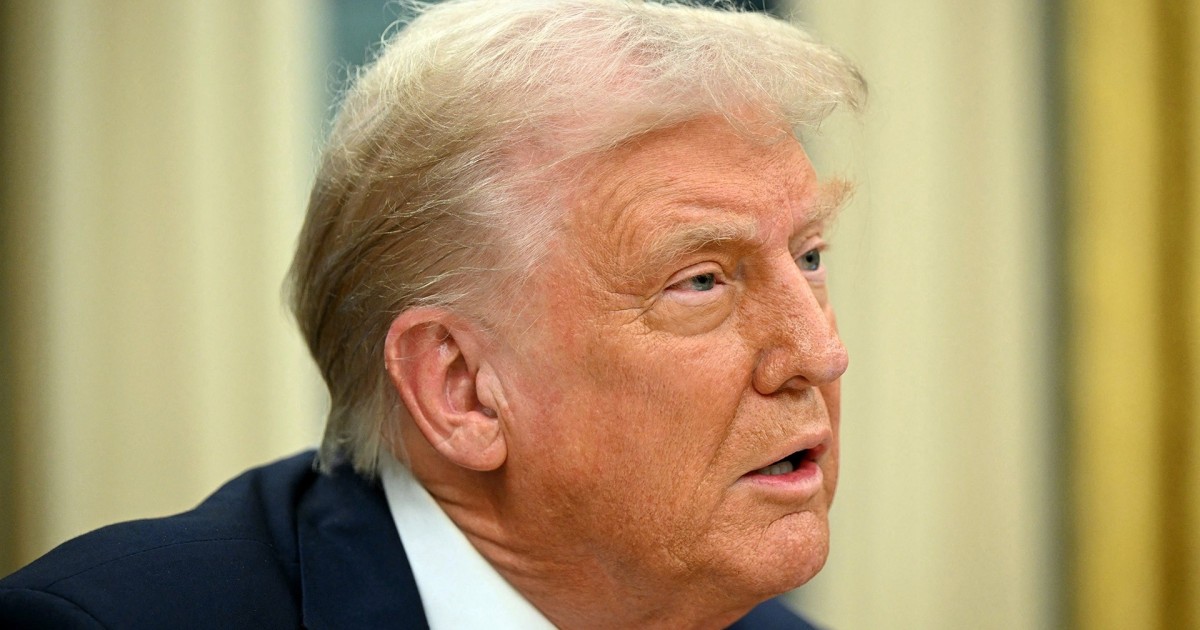
Unpacking the Impact: Trump’s Tariff Strategy on North America and Beyond
As the United States navigates its complex trade relationships, President Trump’s tariff strategy has emerged as a pivotal point of discussion, particularly concerning its implications for North America and beyond. With impending tariffs on Mexico, Canada, and China, stakeholders across various sectors are bracing for a range of economic repercussions that could reshape trade dynamics, influence consumer prices, and spark lengthy debates about the long-term effects of such policies.
Understanding Trump’s Tariff Strategy
At its core, Trump’s tariff strategy is aimed at protecting American industries and promoting domestic manufacturing. Tariffs, essentially taxes on imported goods, serve multiple purposes: they can deter imports, protect local jobs, and generate revenue for the government. However, the ramifications of these policies extend far beyond the borders of the United States.
- Economic Protectionism: By imposing tariffs, the administration aims to level the playing field for American companies that face competition from foreign imports.
- Trade Deficits: The strategy is also linked to addressing the trade deficit, particularly with countries like China, where the imbalance has been a point of contention.
- Negotiation Tactics: Tariffs can be used as leverage in negotiations to extract concessions from trading partners.
The Immediate Effects on North America
The imposition of tariffs on Canada and Mexico could have profound consequences for North American trade, especially in light of the United States-Mexico-Canada Agreement (USMCA), which was designed to replace the North American Free Trade Agreement (NAFTA). This new trade agreement aimed to foster fairer trade practices among the three nations, but the introduction of tariffs poses a risk to its success.
- Consumer Prices: Tariffs will likely result in higher prices for consumers. Goods that are imported from Canada and Mexico, such as automobiles and agricultural products, could see price increases, passing the burden onto consumers.
- Supply Chain Disruptions: Many industries rely on a seamless supply chain across North America. Tariffs can disrupt this flow, leading to delays and increased costs for manufacturers.
- Job Market Implications: While the intention behind tariffs is to protect American jobs, there is a risk that retaliatory tariffs from Canada and Mexico could harm U.S. exports, potentially leading to job losses in sectors reliant on international trade.
Broader Implications for Global Trade
Trump’s tariff strategy not only affects North America but also sends ripples through the global economy. As tariffs are imposed on China, for example, there are significant implications for international trade relationships and market dynamics.
- Retaliation and Trade Wars: Countries subject to U.S. tariffs often respond with their own tariffs, leading to trade wars that can escalate quickly and disrupt global markets.
- Investment Shifts: Businesses may reconsider their investment strategies in response to the uncertain trade environment. This could lead to a reallocation of resources away from the U.S. or its partners.
- Impact on Emerging Markets: Emerging economies that rely on exports to both the U.S. and China may experience volatility, impacting their growth and stability.
Evaluating Long-Term Effects
The long-term effects of Trump’s tariff strategy on North America and beyond remain to be fully seen. Economists and analysts have varying perspectives on the sustainability and effectiveness of such measures.
- Trade Relationships: Over time, continuous tariff impositions could lead to a deterioration of trade relationships, making it difficult for countries to cooperate on other global issues, such as climate change and security.
- Domestic Industry Growth: On the other hand, if tariffs successfully stimulate domestic industries, they could foster innovation and job creation, potentially leading to a more robust economy.
- Consumer Sentiment: The public’s response to rising prices and product shortages could influence political dynamics, affecting future trade policies.
Alternatives to Tariffs
While tariffs are one approach to managing trade relations, there are alternative strategies that could achieve similar goals without the negative side effects:
- Negotiation and Diplomacy: Engaging in dialogue with trade partners to address concerns and find mutually beneficial solutions can help maintain positive relationships.
- Investment in Domestic Industries: Supporting local businesses through subsidies or tax incentives can bolster the economy without resorting to tariffs.
- Trade Agreements: Pursuing comprehensive trade agreements that include labor and environmental standards can create fair competition without the need for punitive measures.
Conclusion: A Path Forward
As President Trump prepares to impose tariffs on Mexico, Canada, and China, the potential economic repercussions are indeed raising eyebrows. While the immediate effects may be felt in consumer prices and trade dynamics, the long-term outcomes will depend on a multitude of factors, including global market responses and domestic economic resilience.
The debate surrounding tariffs is complex, and it is crucial for policymakers to weigh the benefits against the potential drawbacks carefully. By exploring alternatives to tariffs and fostering open dialogue with trade partners, the U.S. can navigate its trade landscape more effectively, paving the way for a prosperous economic future.
Ultimately, understanding the intricacies of Trump’s tariff strategy will be vital for businesses, consumers, and policymakers alike as they adapt to an ever-evolving global economy.
See more CCTV News Daily