Trump’s Unlikely Tariff: A Trade Dispute Over Remote Islands Home to Penguins and Seals
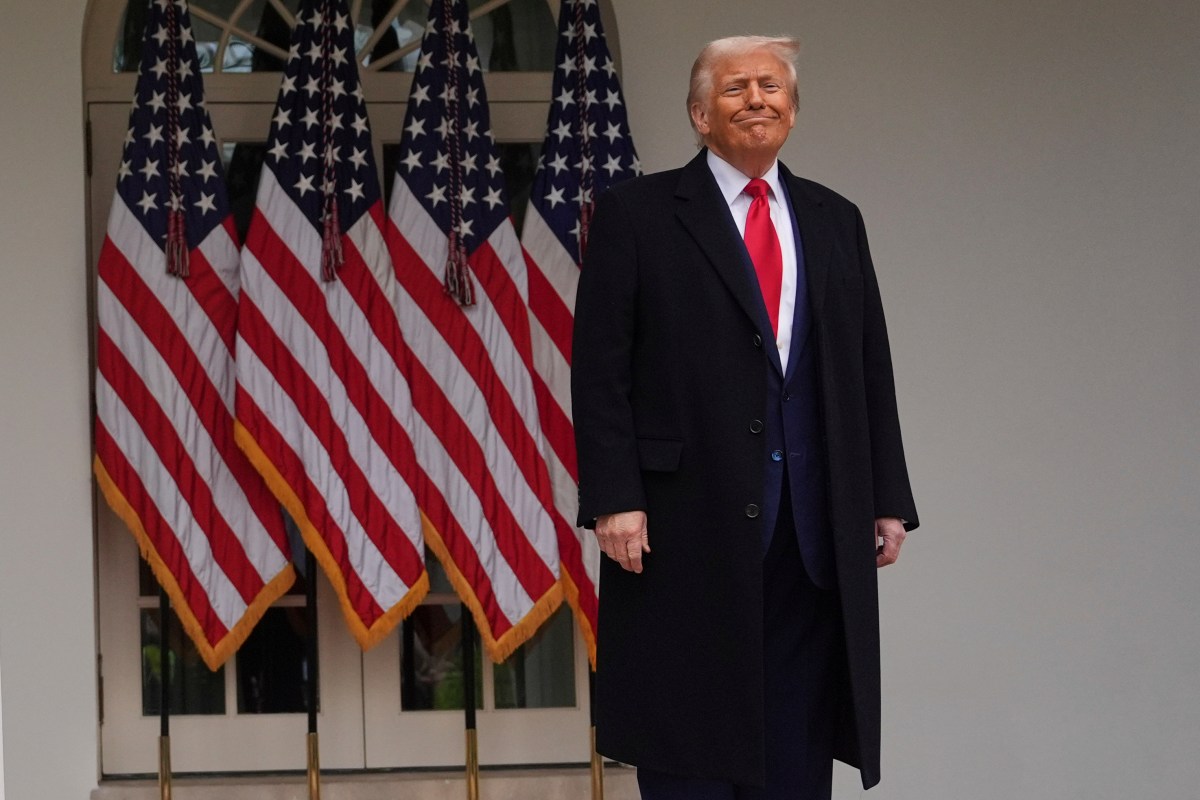
In an unprecedented move, former President Donald Trump has imposed tariffs on a cluster of remote Antarctic islands inhabited primarily by penguins, seals, and seabirds. The decision, announced last week, targets the South Georgia and South Sandwich Islands—a British Overseas Territory with no permanent human population. Trade experts question the economic rationale, while environmentalists warn of unintended consequences for fragile ecosystems.
The Unusual Targets: Islands Without Industry
The South Georgia and South Sandwich Islands, located 1,000 miles east of Argentina’s coast, host 30 million breeding birds but fewer than 30 seasonal researchers. The tariffs—ranging from 15-25% on “all imported goods”—appear nonsensical given the territory imports only $200,000 annually in supplies, primarily scientific equipment and fuel.
“This is like taxing a ghost town,” remarked Georgetown University trade economist Dr. Linda Chen. “These tariffs won’t protect domestic industries because there are no competing industries. It’s purely symbolic—but symbols matter in geopolitics.”
Historical context reveals possible motives:
- 2018 Precedent: Trump previously threatened tariffs on Antarctica during a dispute over fishing rights
- UK Relations: The move coincides with post-Brexit trade tensions
- Climate Politics: The islands sit near newly accessible oil reserves due to melting ice
Environmental Concerns Take Center Stage
Conservationists fear collateral damage from disrupted supply chains. The British Antarctic Survey (BAS), which maintains two research stations, relies on tariff-free imports for:
- Solar panel components for renewable energy systems
- Specialized veterinary medicines for wildlife monitoring
- Oil spill remediation equipment
“A 25% tariff on a $50,000 water purification system could force cuts to penguin population studies,” warned BAS ecologist Dr. James Pearson. His team tracks how climate change reduces krill—the keystone food source for 95% of the islands’ wildlife.
Satellite data shows the region warming 3 times faster than the global average, making long-term research critical. Meanwhile, Argentina—which claims the islands—has protested the tariffs as “economic colonization of nature.”
Trade Experts Decipher the Strategy
While Trump’s office cited “trade imbalance” as justification (the U.S. exports $0 to the islands), analysts suggest three plausible explanations:
- Fishing Rights: The surrounding waters contain lucrative Patagonian toothfish stocks
- Territorial Signaling: Challenging UK sovereignty could appeal to Argentine voters
- Distraction Tactics: Shifting focus from domestic controversies
“This isn’t about economics—it’s about projecting power,” said former U.S. trade negotiator Carla Hernandez. “By targeting a symbolic location, Trump reinforces his ‘America First’ branding without immediate backlash from major trade partners.”
Indeed, the UK’s muted response—calling the tariffs “peculiar but inconsequential”—contrasts with past trade wars. When the EU imposed steel tariffs in 2018, the U.S. retaliated with $3.2 billion in levies. This dispute involves just 0.0006% of that amount.
Legal and Ethical Questions Emerge
International law experts highlight oddities in the policy:
- The islands have no customs infrastructure to collect tariffs
- WTO rules typically exempt scientific and environmental goods
- No U.S. businesses stand to benefit
Ethical concerns also arise. “We’re weaponizing trade policy against ecosystems,” argued Environmental Law Institute senior fellow Mark Reynolds. “If tariffs delay a shipment of avian flu vaccines, we could see mass die-offs among king penguins—a species already declining by 5% annually.”
Conversely, some free-market advocates support the move. “All territories should face equal trade terms,” argued Cato Institute analyst Robert Shaw. “Special exemptions create market distortions.” However, he conceded the policy “lacks coherent economic objectives.”
What Comes Next for the Polar Outpost?
The tariffs take effect in 60 days, giving researchers time to stockpile supplies. Potential outcomes include:
- Scientific Impact: BAS may relocate studies to tariff-free Norwegian territories
- Diplomatic Fallout: Argentina could revive its sovereignty claim
- Ecological Risks: Reduced monitoring might enable illegal fishing
As climate change opens Arctic shipping routes, such disputes may become more common. The U.S. Geological Survey estimates 13% of undiscovered oil lies beneath polar regions—a fact not lost on policymakers.
“This isn’t just about penguins,” concluded Dr. Pearson. “It’s about whether we prioritize short-term political gestures or long-term planetary stewardship.” For now, the islands’ wildlife remains oblivious to the trade storm brewing over their icy home.
Call to Action: Stay informed on how trade policies impact conservation efforts by subscribing to our Environmental Policy Newsletter.
See more CCTV News Daily