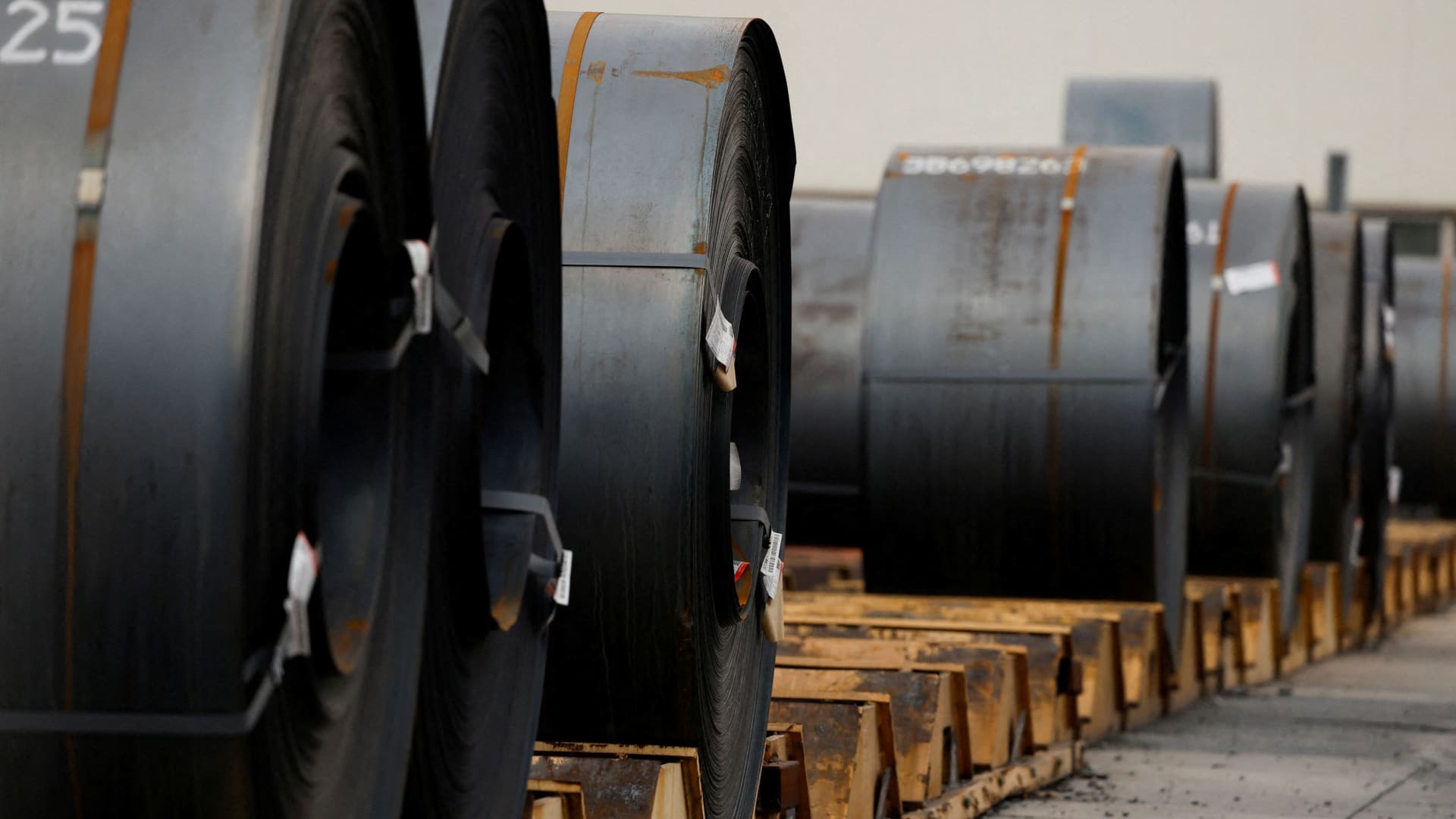
Unpacking Trump’s 25% Steel and Aluminum Tariffs: An Overview
As President Trump’s 25% tariffs on steel and aluminum imports come into effect, industries across America brace for impact. This significant policy shift not only affects manufacturing but also raises critical questions about the long-term implications for both American jobs and global trade dynamics. With a focus on revitalizing domestic production, the tariffs are set against a backdrop of complex international relations and economic strategies. In this article, we will unpack the nuances of these tariffs, exploring their potential effects on various sectors and the broader economy.
Understanding the Context of Trump’s Tariffs
The steel and aluminum tariffs, officially enacted in March 2018, were introduced under the premise of protecting American industries from foreign competition. The rationale was straightforward: by imposing a 25% tax on steel imports and a 10% tax on aluminum, the U.S. aimed to bolster its manufacturing base, protect jobs, and reduce reliance on foreign metals. The administration argued that these measures were essential for national security—a claim that has sparked considerable debate.
In a globalized economy, the implications of such tariffs are multi-faceted. On one hand, they are designed to shield domestic producers from cheaper foreign imports; on the other, they risk igniting trade wars and increasing costs for American consumers and manufacturers reliant on these metals.
The Immediate Impact on Industries
The immediate aftermath of the tariffs saw a surge in steel and aluminum prices. For many American manufacturers, particularly in sectors like automotive, construction, and aerospace, this increase translated into higher production costs. Some potential impacts include:
- Increased Costs: Many industries dependent on steel and aluminum faced significant price hikes, which could lead to higher prices for consumers. For instance, automakers reported rising costs that could ultimately influence the price of vehicles.
- Job Protection vs. Job Loss: While the tariffs aimed to protect jobs in the steel and aluminum industries, other sectors that depend on these materials might face layoffs or reduced hiring due to increased operational costs.
- Supply Chain Adjustments: Companies were forced to reevaluate their supply chains, seeking alternative suppliers or materials, which could lead to longer-term changes in how American industries operate.
Long-term Implications for American Manufacturing
The long-term implications of Trump’s 25% steel and aluminum tariffs could reshape the American manufacturing landscape. While the tariffs were intended to revive domestic production, several factors will determine their overall effectiveness:
- Investment in Domestic Production: Some analysts argue that the tariffs could incentivize investments in domestic steel and aluminum production. If American companies can ramp up production to meet demand, it may lead to job creation in these sectors.
- Innovation and Efficiency: Facing higher costs, manufacturers might be compelled to innovate. This could lead to advancements in production techniques or alternative materials, ultimately benefiting the industry.
- Global Trade Relations: The tariffs have sparked retaliatory measures from other countries, leading to a complex web of trade relationships. The long-term effects on U.S. exports and international partnerships remain uncertain.
The Global Perspective
Trump’s tariffs are not merely a domestic issue; they have significant global implications. Countries like Canada, Mexico, and members of the European Union have responded with their own tariffs on American goods, creating a tit-for-tat scenario that complicates international trade dynamics.
Trade experts warn that such retaliatory tariffs could escalate into broader trade wars, which might hinder economic growth on a global scale. For instance, countries heavily reliant on exporting steel and aluminum to the U.S. may seek new markets, potentially disrupting existing trade balances.
The Role of Consumer Behavior
Consumer behavior plays a crucial role in the efficacy of these tariffs. As manufacturers pass on increased costs to consumers, public response will significantly influence the economic landscape. If consumers opt for imported goods over domestic products due to price differences, the intended protective measures may backfire.
Potential Solutions and Alternatives
While the tariffs are a controversial approach to protecting American industries, alternative strategies could achieve similar goals without the adverse side effects. Some potential solutions include:
- Incentivizing Domestic Production: Instead of imposing tariffs, the government could offer tax incentives or subsidies to domestic producers, encouraging growth and innovation.
- Trade Agreements: Engaging in renegotiating trade agreements could lead to more favorable terms for American manufacturers without the need for protective tariffs.
- Investment in Technology: Supporting research and development in materials science could foster innovation in manufacturing, making U.S. products more competitive globally.
The Path Forward
As industries and consumers navigate the implications of Trump’s 25% steel and aluminum tariffs, the path forward remains uncertain. While the intent behind the tariffs is to protect and revitalize American manufacturing, the actual outcomes will depend on a variety of factors, including market responses, global trade relations, and domestic policy decisions.
In conclusion, the tariffs reflect a significant shift in U.S. trade policy, aiming to prioritize American industries amidst an increasingly complex global landscape. Stakeholders must remain vigilant and adaptable, ready to respond to the evolving economic environment. By fostering innovation and exploring alternative strategies, the U.S. can strive to maintain its position as a leader in manufacturing while balancing the intricacies of global trade.
See more CCTV News Daily