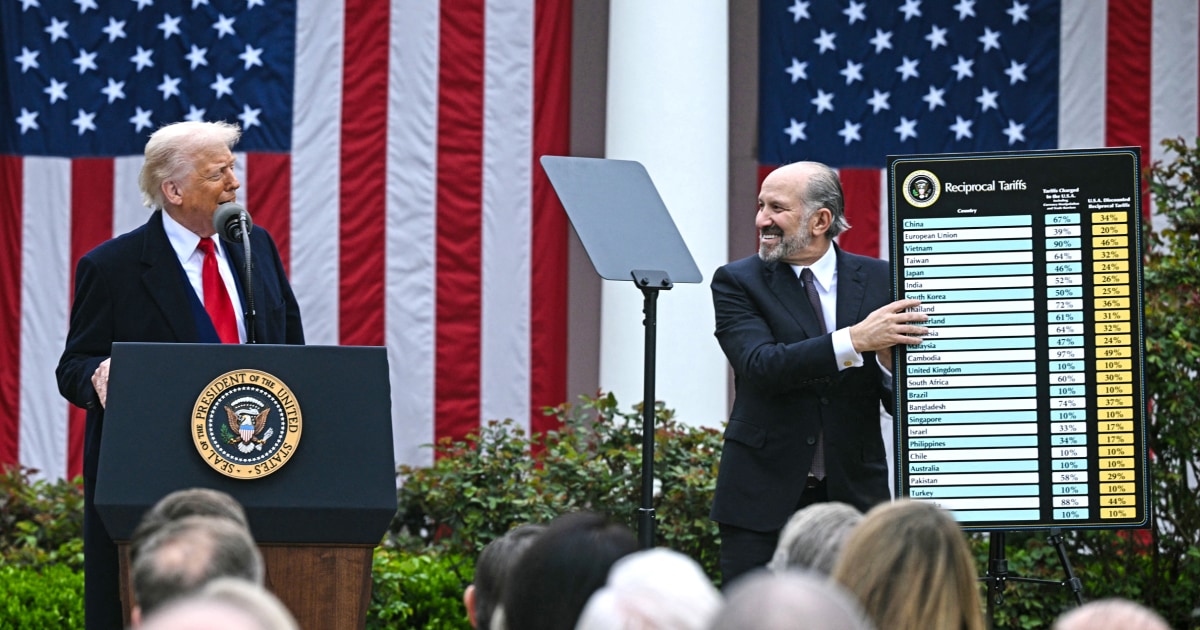
The Trump administration’s latest tariff policies have sent shockwaves through global markets, leaving businesses scrambling to adapt and economists debating the long-term consequences. Unveiled last month, these measures target key imports like steel, aluminum, and Chinese electronics, with rates soaring as high as 25%. While the White House frames this as a bold move to protect American industries, critics warn it could trigger trade wars, inflate consumer prices, and disrupt fragile supply chains.
The Rationale Behind the Tariff Surge
President Trump’s tariff strategy stems from his longstanding “America First” economic philosophy. Administration officials argue that foreign competitors—particularly China—have long exploited lax trade rules, dumping cheap goods into U.S. markets while stealing intellectual property. Commerce Secretary Wilbur Ross recently stated, “These tariffs level the playing field for American workers who’ve been undercut for decades.” Preliminary data suggests the policies have already boosted domestic steel production by 6% this quarter.
However, the rollout has been anything but smooth. The Treasury Department initially exempted several allied nations, only to reverse course weeks later. This whiplash has left companies like Ford and Boeing struggling to adjust procurement strategies. A National Retail Federation survey found 78% of mid-sized importers lacked clear guidance on compliance procedures.
Economic Ripples Across Industries
The tariffs’ impacts vary dramatically by sector:
- Manufacturing: While steel mills report hiring surges, automakers face $3 billion in projected annual cost increases
- Agriculture: Soybean futures dropped 12% after China imposed retaliatory tariffs
- Technology: Apple estimates its aluminum-intensive products could see $500 million in added costs
Dr. Elena Rodriguez, a trade economist at Georgetown University, cautions: “This isn’t just about import prices. We’re seeing secondary effects where domestic suppliers hike rates simply because they can—what economists call ‘opportunistic pricing.'” Her research indicates tariff-related inflation could erase 0.4% of GDP growth this year.
Global Reactions and Retaliatory Measures
The international response has been swift and severe. The European Union imposed counter-tariffs on $7.5 billion of U.S. goods, targeting politically sensitive products like Kentucky bourbon and Wisconsin motorcycles. China’s Commerce Ministry announced matching duties on 128 American products, while Canada launched a WTO challenge.
Emerging markets face particular strain. Vietnam’s export-driven economy saw its currency depreciate 3% against the dollar as textile manufacturers absorbed new cotton tariffs. Meanwhile, Mexico’s auto sector—which supplies 37% of U.S. automotive imports—is reevaluating NAFTA renegotiation terms.
Consumers Feel the Pinch
Beyond boardrooms, everyday Americans are noticing higher price tags. Home Depot reported a 15% increase in washing machine costs since January, while craft beer brewers cite aluminum can shortages. The Labor Department’s latest CPI data shows:
- 2.9% rise in appliance prices year-over-year
- 4.1% jump in building materials
- 1.8% increase in packaged food costs
Small businesses bear disproportionate burdens. Sarah Chen, owner of a Chicago bicycle shop, explains: “Our Taiwanese-made frames now have a 30% tariff. Either we eat the cost or price out our customers—there’s no good option.” Her sentiment echoes across Main Street, where profit margins often can’t absorb such shocks.
The Legal and Political Battlefield
Courts and Congress are emerging as key battlegrounds. Over 25 corporations, including Tesla and Walmart, have joined lawsuits challenging the tariffs’ constitutionality. On Capitol Hill, Senate Republicans recently advanced legislation to curtail presidential tariff authority—a rare break from party unity.
Political analysts note the policies could backfire in election battlegrounds. Iowa farmers, traditionally Republican voters, increasingly voice frustration over lost Chinese soybean orders. Conversely, Rust Belt unions praise the measures, creating complex electoral calculus for 2020.
What Comes Next in the Trade War?
With negotiations ongoing, experts outline three potential scenarios:
- Escalation: Additional tariffs spark full-blown trade war, shrinking global commerce by up to 3% (IMF projection)
- Status Quo: Current tariffs remain, creating sustained price pressures but avoiding further deterioration
- Resolution: Bilateral deals emerge, particularly if midterm elections shift congressional dynamics
As the situation evolves, businesses should prepare contingency plans while consumers might consider locking in prices on big-ticket items. For policymakers, the challenge lies in balancing protectionist ideals with economic realities—a high-wire act with trillion-dollar consequences.
Stay informed: Subscribe to our trade policy newsletter for weekly updates on tariff developments and their market impacts.
See more CCTV News Daily