“`html
Chicago Fed Chief Warns Trump Tariffs May Trigger Summer Economic Slowdown
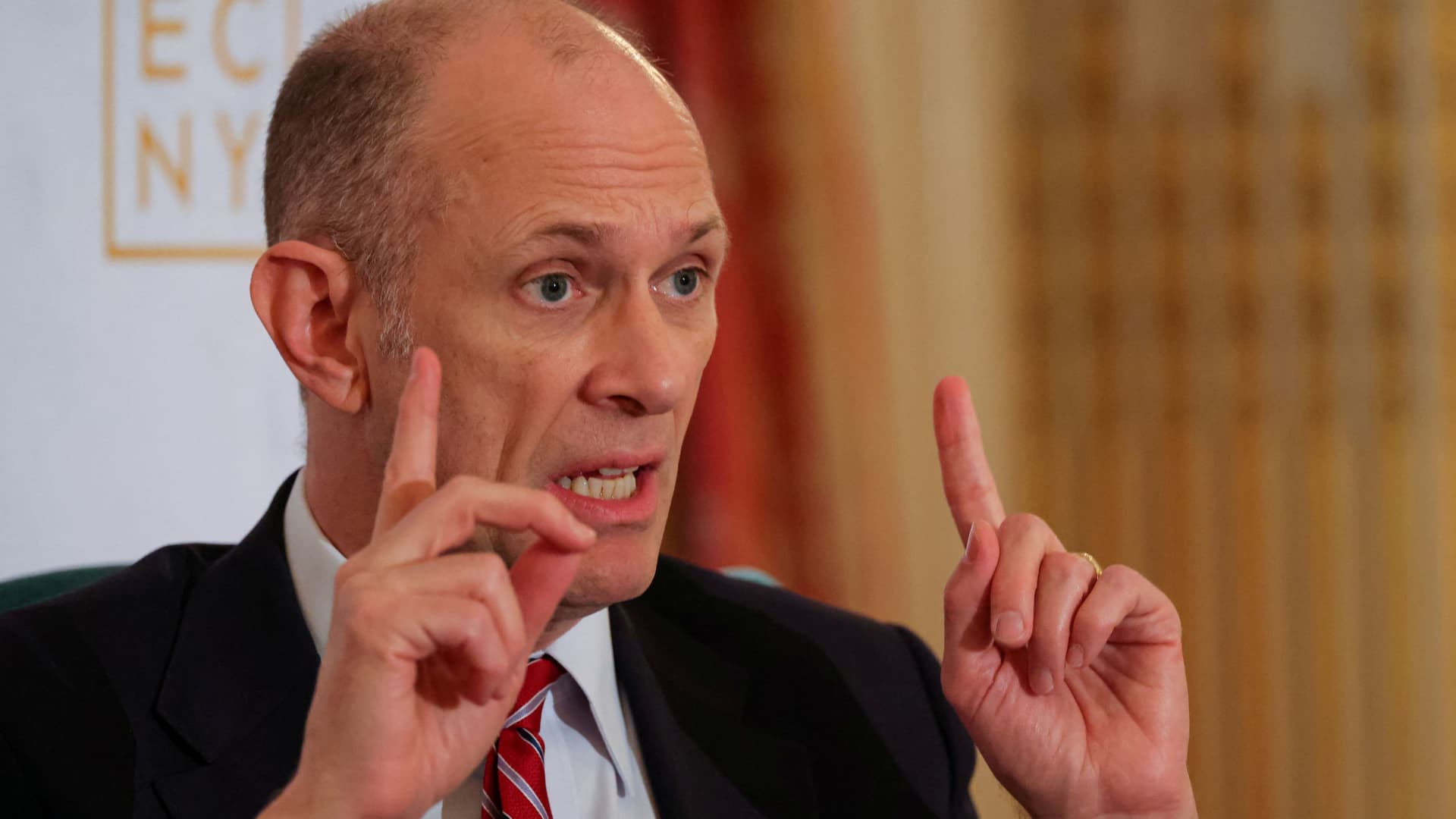
Chicago Federal Reserve President Austan Goolsbee issued a stark warning this week that the resurgence of Trump-era tariffs could spark a significant economic slowdown this summer. The caution comes despite stronger-than-expected growth in early 2024, raising concerns about inflationary pressures and reduced consumer spending power as businesses grapple with higher import costs.
Tariff Policies Cast Shadow Over Strong Start to 2024
The U.S. economy grew at a 3.4% annual rate in Q1 2024, exceeding most forecasts. However, Goolsbee emphasized this momentum may falter as tariffs averaging 18% on $300 billion worth of Chinese goods take full effect. “What we’re seeing is a textbook case of policy whiplash,” Goolsbee stated during a Chicago Economic Club address. “The sugar rush of early-year growth could give way to a midsummer migraine as supply chains absorb these shocks.”
Key indicators suggesting trouble ahead:
- Import prices rose 4.1% year-over-year in April – the largest jump since 2022
- Small business confidence dropped 5 points in the latest NFIB survey
- Container shipping rates from Asia have surged 62% since January
How Tariffs Could Reshape Consumer Markets
Retail analysts warn the tariffs will hit consumer electronics, apparel, and home goods hardest. A Peterson Institute study estimates the average U.S. household will pay $1,200 more annually for affected goods. “This isn’t just about iPhones and televisions,” explained MIT trade economist Deborah Stanton. “The tariffs create ripple effects through domestic supply chains that ultimately raise prices on American-made products too.”
Notable sector-specific impacts:
- Automotive: Replacement parts expected to increase 8-12% by Q3
- Groceries: Processed foods using Chinese ingredients facing 6-9% markup
- Construction: Building materials tariffs could add $15,000 to average home cost
Divergent Views on Trade Policy Effectiveness
Proponents argue the tariffs protect domestic manufacturers. “We’ve seen steel production jobs increase 14% in Rust Belt states since the tariffs were announced,” noted Commerce Policy Institute director Carl Vinson. However, Federal Reserve data shows manufacturing output growth slowed to 0.7% last quarter compared to 2.1% in late 2023.
The debate extends to political circles:
- Administration officials highlight reduced trade deficits with China
- Congressional Democrats warn of impending “inflation tsunami”
- Some Republicans advocate even steeper tariffs on electric vehicles
Businesses Brace for Supply Chain Disruptions
Midwestern manufacturers report scrambling to adjust. “We’ve stockpiled six months of Chinese-made components,” revealed Milwaukee industrial supplier Jason Kowalski. “After that, we either eat the costs or redesign products – both options will hurt.” The National Retail Federation estimates 58% of members have accelerated shipments, creating temporary port congestion.
Supply chain experts identify three emerging strategies:
- Diversifying to Vietnam and Mexico suppliers (42% of firms)
- Accepting lower profit margins (33%)
- Passing costs to consumers (25%)
What History Tells Us About Tariff Impacts
Economic historians note parallels with 2018-2019, when similar tariffs preceded a manufacturing recession. However, today’s tighter labor markets and higher interest rates create different conditions. “The Fed has less room to cushion the blow this time,” remarked Northwestern University economist Rebecca Cho. “We could see unemployment tick up by 0.5-0.8 percentage points if demand softens as expected.”
Key differences from previous tariff episodes:
- Current inflation rate: 3.9% vs 2.4% in 2018
- 10-year Treasury yield at 4.3% vs 2.9%
- Consumer debt levels 18% higher in real terms
Preparing for the Potential Slowdown
Financial advisors recommend consumers:
- Build emergency savings to cover higher living costs
- Consider delaying major discretionary purchases
- Review investment portfolios for tariff-resistant sectors
For businesses, Goolsbee suggested focusing on productivity gains: “The firms that will weather this storm are those using technology to offset cost pressures, not just hoping for policy reversals.” The Chicago Fed plans to convene regional business leaders next month to develop mitigation strategies.
As the summer unfolds, economists will closely monitor retail sales, jobless claims, and inventory levels for signs of whether this warning becomes reality. With the Fed’s next rate decision looming in September, the stakes for both policymakers and ordinary Americans continue to rise.
For ongoing coverage of economic policy impacts, subscribe to our daily business briefing.
“`
See more CCTV News Daily