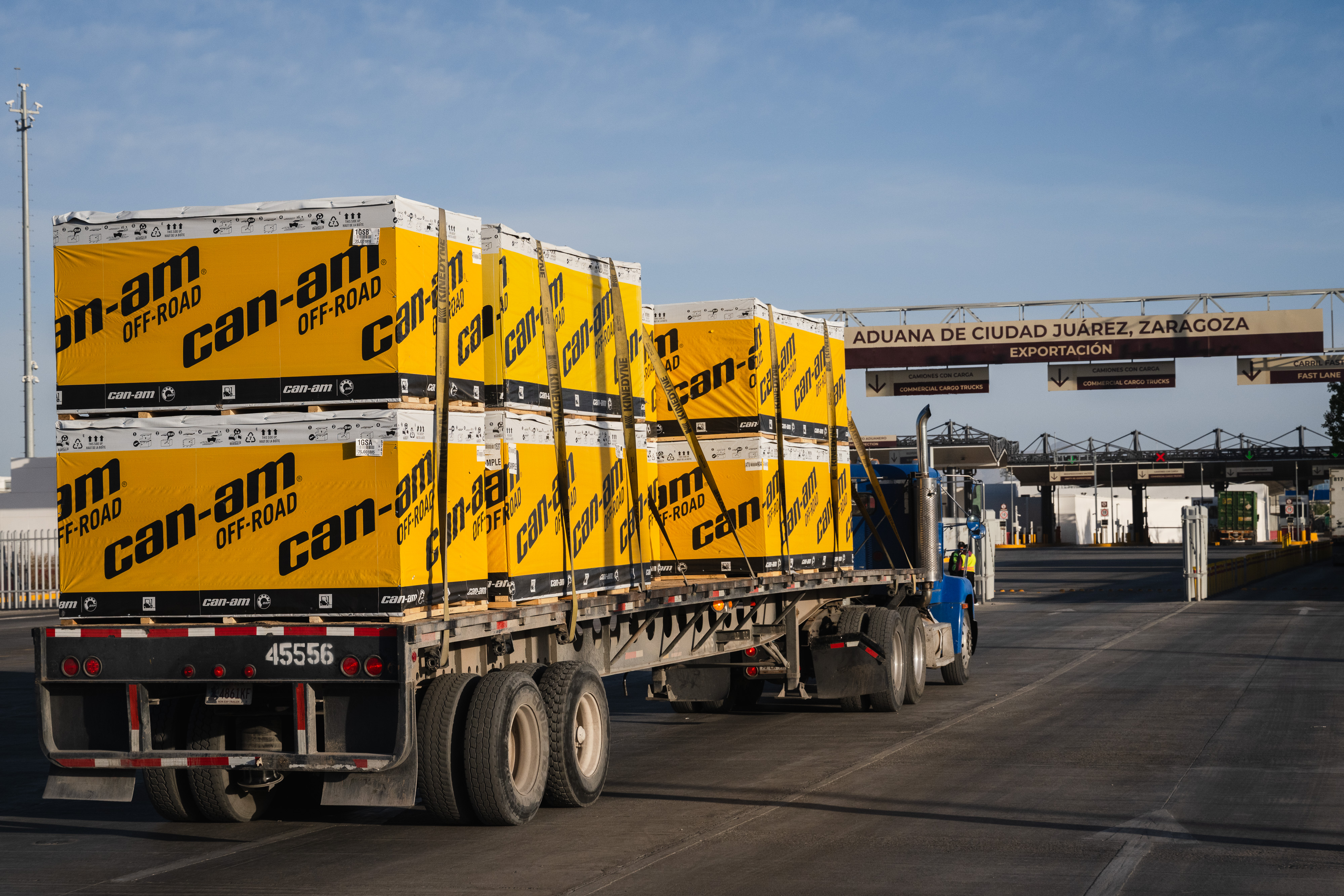
The Ripple Effect: How Trump’s Tariffs Are Reshaping the Trucking Industry
The Trump administration’s recent tariffs on imported steel, aluminum, and Chinese goods are creating a domino effect across the U.S. trucking industry, driving up operational costs and forcing logistics companies to rethink supply chains. Since their implementation in early 2024, the tariffs have increased manufacturing expenses by 15-20%, according to industry analysts, with trucking firms absorbing much of the financial strain. As freight demand fluctuates, carriers face squeezed profit margins and potential layoffs.
Steel and Aluminum Tariffs Hit Truck Manufacturing
The 25% tariff on imported steel and 10% on aluminum—key materials for truck production—have sent shockwaves through manufacturers. Freightliner and Kenworth reported a 12% increase in production costs, translating to higher prices for new trucks. “We’re seeing a $15,000-$20,000 price hike per Class 8 truck,” said Mark Richardson, a supply chain analyst at Transport Logistics Group. “Smaller fleets are delaying upgrades, which risks longer-term maintenance issues.”
Data from the American Trucking Associations (ATA) reveals:
- New truck orders dropped 18% year-over-year in Q1 2024
- Used truck prices surged 22% as demand shifted to cheaper alternatives
- Loan defaults among owner-operators rose 9% in the same period
Supply Chain Disruptions and Rising Operational Costs
Beyond equipment, tariffs on Chinese components—from tires to electronics—are compounding expenses. The ATA estimates an additional $2.3 billion in annual costs for the industry. “Every link in the supply chain is feeling the pinch,” noted Sarah Chen, CEO of Midwest Freight Solutions. “From delayed shipments due to customs bottlenecks to pricier replacement parts, carriers are navigating a perfect storm.”
Key impacts include:
- Fuel surcharges increasing by 8-10% to offset costs
- Longer lead times for repairs due to scarce parts
- Shippers consolidating loads to reduce expenses, shrinking opportunities for smaller carriers
Diverging Perspectives: Protectionism vs. Free Market Risks
While some industry leaders support tariffs as a tool to bolster domestic manufacturing, others warn of unsustainable trade-offs. “These measures protect U.S. jobs in steel mills, but they’re bleeding the transportation sector dry,” argued Richardson. Conversely, the Alliance for American Manufacturing praised the tariffs for “leveling the playing field,” citing a 6% growth in domestic steel production.
Independent truckers, however, face disproportionate strain. “I’ve had to park two of my rigs because I can’t afford new tires or engine parts,” shared Iowa-based owner-operator Jake Tolbert. “The big fleets can absorb this—we can’t.”
Adapting to a Shifting Landscape
To mitigate losses, companies are exploring alternatives:
- Nearshoring: Shifting supply chains to Mexico and Canada to avoid tariffs
- Technology Investments: Adopting fuel-efficient routing software to cut costs
- Contract Renegotiations: Passing costs to clients through higher rates
Yet these strategies require capital many lack. “The industry’s profit margins were already razor-thin,” Chen emphasized. “Without relief, we’ll see more consolidation and exits.”
What’s Next for the Trucking Industry?
With the 2024 election looming, the tariffs’ future remains uncertain. Analysts predict:
- A potential 5-7% decline in interstate freight volumes if costs keep rising
- Increased pressure on Congress to provide tax relief for carriers
- Greater reliance on intermodal transport (rail/truck hybrids) to save costs
For now, the trucking industry must brace for turbulence. “Adaptability is survival,” said Richardson. “The carriers that diversify their strategies will weather this storm.” To stay updated on policy changes affecting logistics, subscribe to our industry newsletter for real-time analysis and expert insights.
See more CCTV News Daily