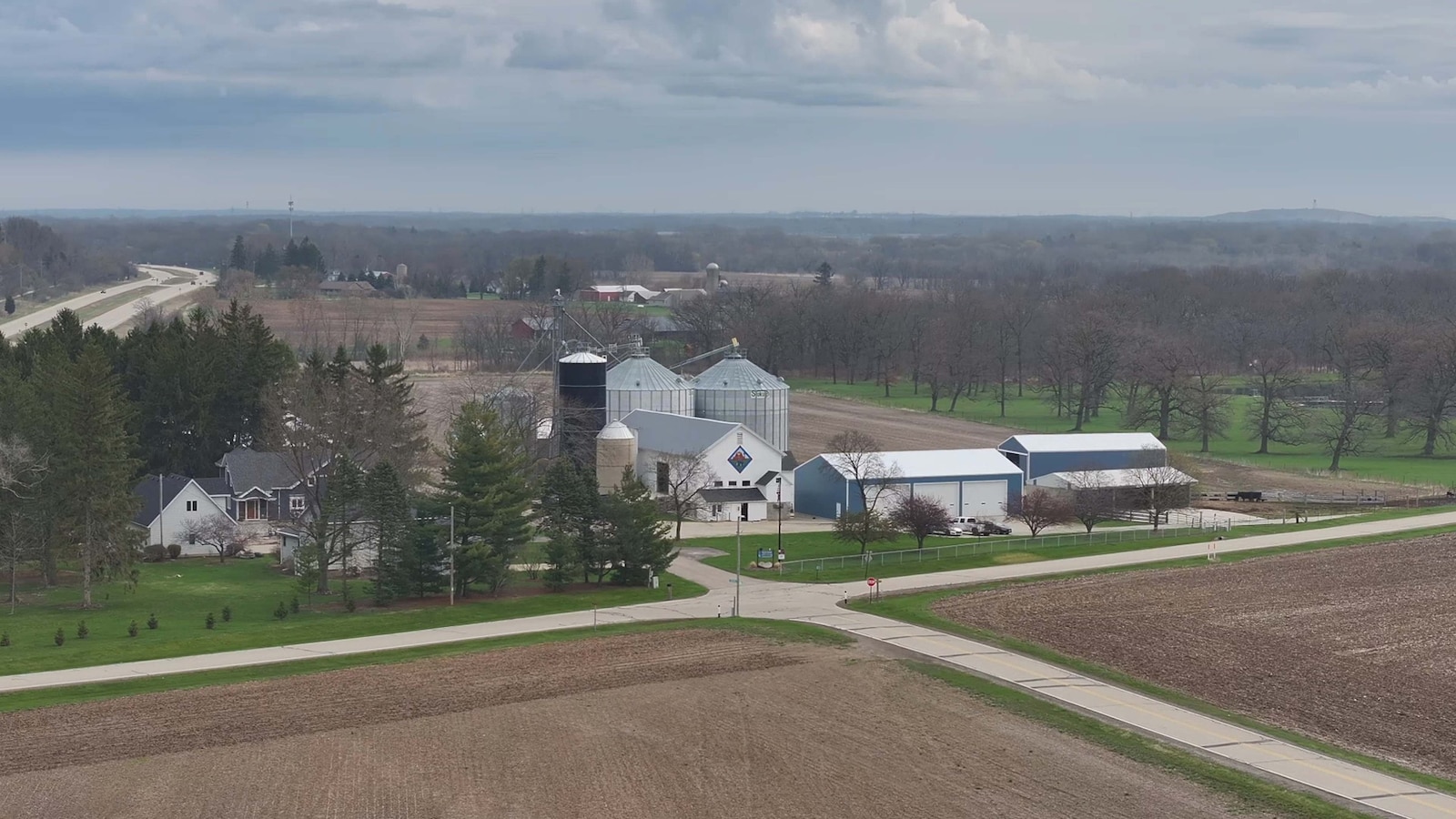
The Trump administration’s sweeping tariffs have created a tale of two industries: struggling farmers facing financial ruin and shrimpers riding an unexpected wave of prosperity. Implemented in 2018 as part of a broader trade strategy, these tariffs have reshaped rural economies, with soybean growers and pork producers bearing the brunt of retaliatory measures while domestic seafood harvesters gain newfound advantages.
Farmers Face Mounting Losses Amid Trade Wars
Agricultural communities across the Midwest have become ground zero for tariff repercussions. The U.S. Department of Agriculture reports:
- Soybean exports to China plummeted by 75% in 2018-2019, representing a $12 billion loss
- Farm bankruptcies increased 24% in 2019, with the Midwest seeing the sharpest rise
- Agricultural debt reached $416 billion in 2020, the highest level since the 1980s farm crisis
“We’ve lost generations of market access in a matter of months,” explains Dr. Sarah Wilkins, agricultural economist at Iowa State University. “Even with government bailouts, many family farms can’t withstand the combination of low prices and lost export markets.”
Shrimpers Reap Unexpected Benefits
While farmers struggle, Gulf Coast shrimpers report their best seasons in decades. The 10% tariff on imported shrimp has:
- Boosted domestic shrimp prices by 18% since 2018
- Increased market share for U.S. harvesters from 12% to 21% of total consumption
- Created 3,200 new jobs in coastal processing plants
“For the first time in 20 years, we’re getting fair prices for our catch,” says Louisiana shrimper Miguel Hernandez. “The tariffs leveled the playing field against cheap imports that were putting us out of business.”
The Ripple Effects of Trade Policy
Beyond these immediate impacts, economists note broader consequences reshaping rural America:
Regional Economic Disparities Widen
The USDA’s Economic Research Service found that counties dependent on tariff-affected crops saw:
- 2.1% decline in median household income (2018-2020)
- 4.3% reduction in agricultural equipment sales
- Increased reliance on federal assistance programs
Meanwhile, seafood processing hubs like Biloxi, Mississippi report increased tax revenues and business investments. “We’re seeing money circulate in our community that hasn’t been here since the 1990s,” notes Biloxi Mayor Andrew Gilich.
Long-Term Market Shifts Emerge
Trade experts warn that some changes may prove permanent:
- Brazil has surpassed the U.S. as China’s top soybean supplier
- Vietnamese shrimp processors are shifting focus to European markets
- U.S. pork producers have lost 15% of their Chinese market share
“Trade relationships built over decades can disappear overnight,” cautions international trade lawyer James Chen. “Recovering these markets often takes longer than losing them.”
Policy Responses and Farmer Adaptations
Facing unprecedented challenges, agricultural stakeholders are pursuing multiple strategies:
Government Relief Measures
The Trump administration allocated $28 billion in farm bailouts between 2018-2020, including:
- Market Facilitation Program payments
- Food purchase and distribution programs
- Agricultural trade promotion funding
“While helpful, these payments only cover about 30% of most farmers’ actual losses,” notes Farm Bureau economist John Newton. “They’re a Band-Aid on a bullet wound.”
Diversification and Innovation
Progressive farmers are adapting through:
- Transitioning to alternative crops like industrial hemp
- Developing direct-to-consumer sales channels
- Investing in value-added processing facilities
In Missouri, fourth-generation farmer Rick Ostlund converted 40% of his soybean acreage to organic wheat. “We had to rethink everything,” he says. “The old model just doesn’t work in this trade environment.”
The Future of U.S. Agricultural Trade
As the Biden administration reviews these trade policies, industry observers anticipate several potential developments:
- Gradual easing of some tariffs while maintaining strategic protections
- Increased focus on diversifying export markets beyond China
- Growing political pressure to address rural-urban economic divides
“The fundamental question,” concludes Wilkins, “is whether we want to maintain domestic food production capacity or accept increasing reliance on imports. These tariffs have forced that conversation.”
For readers affected by these changes, the USDA offers trade adjustment assistance programs and market development resources. Farmers and fishermen alike are encouraged to contact their local Farm Service Agency offices to explore available options.
See more CCTV News Daily