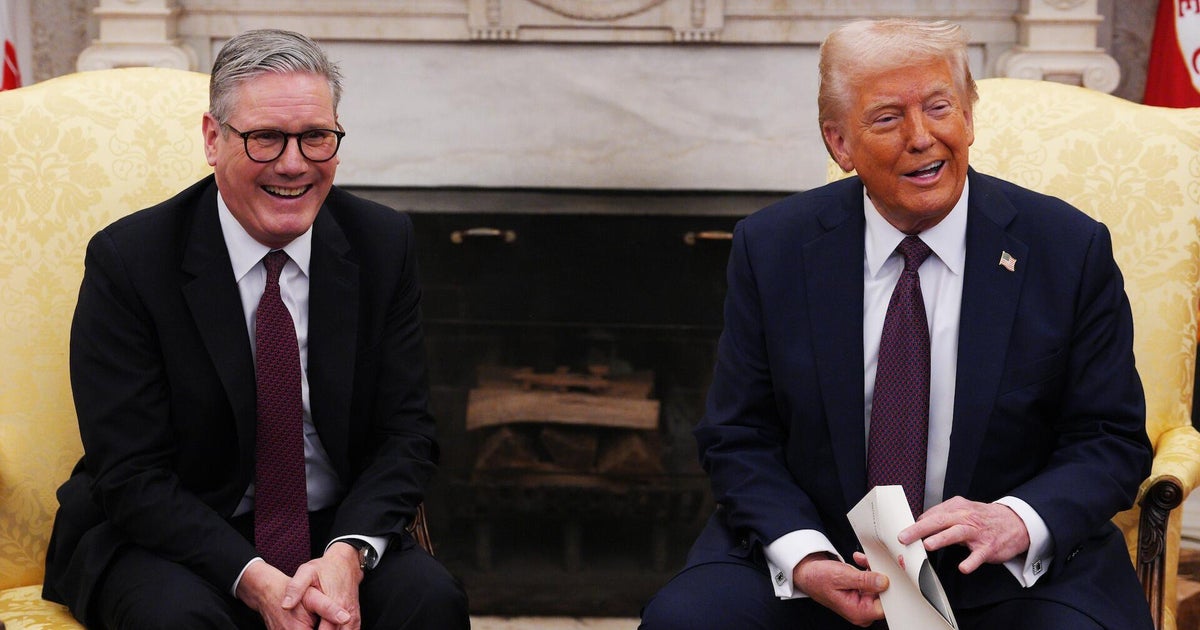
Unpacking Trump’s Trade Deal: What It Means for the U.K. and Beyond
As former U.S. President Donald Trump re-enters the political arena, his proposed trade deal with the U.K. has sparked intense debate. With negotiations gaining momentum, the agreement could redefine transatlantic commerce, impact global supply chains, and alter economic dynamics for businesses and consumers. Analysts warn of both opportunities and risks as the two nations navigate post-Brexit and post-Trump-era policies.
The Strategic Importance of the U.S.-U.K. Trade Agreement
The potential trade deal, often dubbed the “Trump Trade Pact,” aims to strengthen economic ties between the U.S. and U.K. amid shifting geopolitical alliances. The U.K., still adjusting to life outside the EU, sees this as a chance to secure a robust partnership with its largest single trading partner after the bloc. In 2022, bilateral trade between the two nations exceeded $260 billion, underscoring the stakes.
Dr. Eleanor Whitmore, a trade policy expert at the London School of Economics, notes, “This deal could fill the void left by Brexit, but it’s a double-edged sword. The U.K. may gain market access but could also face pressure to conform to U.S. regulatory standards, particularly in agriculture and pharmaceuticals.”
Key Components of the Proposed Deal
While full details remain under wraps, leaked drafts suggest several focal points:
- Tariff Reductions: Elimination of duties on automobiles, machinery, and luxury goods.
- Agricultural Concessions: Potential U.S. demands for relaxed U.K. food safety standards, including chlorine-washed chicken and hormone-treated beef.
- Digital Trade: Streamlined data-sharing protocols to boost tech sector collaboration.
Critics argue that such concessions could undermine the U.K.’s sovereignty. “The NHS and food standards are red lines for us,” says Marcus Green, spokesperson for the British Trade Justice Campaign. “Any deal that compromises these isn’t just bad policy—it’s a betrayal of public trust.”
Economic Implications for Businesses and Consumers
For British exporters, the deal promises expanded access to the U.S. market, particularly for financial services and Scotch whisky, which faced steep tariffs under Trump’s previous administration. However, small and medium-sized enterprises (SMEs) fear being outmuscled by American competitors. A 2023 Federation of Small Businesses survey found that 58% of U.K. SMEs worry about unequal competition.
Conversely, U.S. manufacturers stand to benefit. “American automakers and farmers could see a 15-20% boost in exports if tariffs are lifted,” predicts economist David Harland of the Brookings Institution. “But the real test will be whether the U.K. public accepts lower standards for cheaper imports.”
Global Reactions and Diplomatic Ripples
The EU has cautiously monitored the negotiations, wary of a U.K.-U.S. axis that might sideline Brussels. Meanwhile, China has hinted at retaliatory measures if the deal disadvantages its exports. The geopolitical chessboard is further complicated by Trump’s broader “America First” agenda, which could strain multilateral alliances.
Prime Minister Rishi Sunak’s government faces mounting pressure to balance economic gains with national interests. “The U.K. must walk a tightrope,” says geopolitical analyst Fiona Carter. “Aligning too closely with Trump risks alienating Europe, but rejecting the deal could isolate Britain economically.”
What’s Next for the U.K. and International Trade?
With Trump’s potential return to the White House in 2024, the deal’s prospects hinge on the U.S. election outcome. If finalized, its ripple effects could extend to CPTPP (Comprehensive and Progressive Agreement for Trans-Pacific Partnership) nations and future U.K. trade talks with India and Australia.
For now, businesses are advised to prepare for volatility. Actionable step: Companies should consult trade experts to assess sector-specific risks and opportunities, ensuring they’re not caught off guard by shifting regulations.
As negotiations unfold, one thing is clear: Trump’s trade deal could reshape not just U.K.-U.S. relations but the global economic order. Stakeholders on both sides of the Atlantic—and beyond—will be watching closely.
See more CCTV News Daily