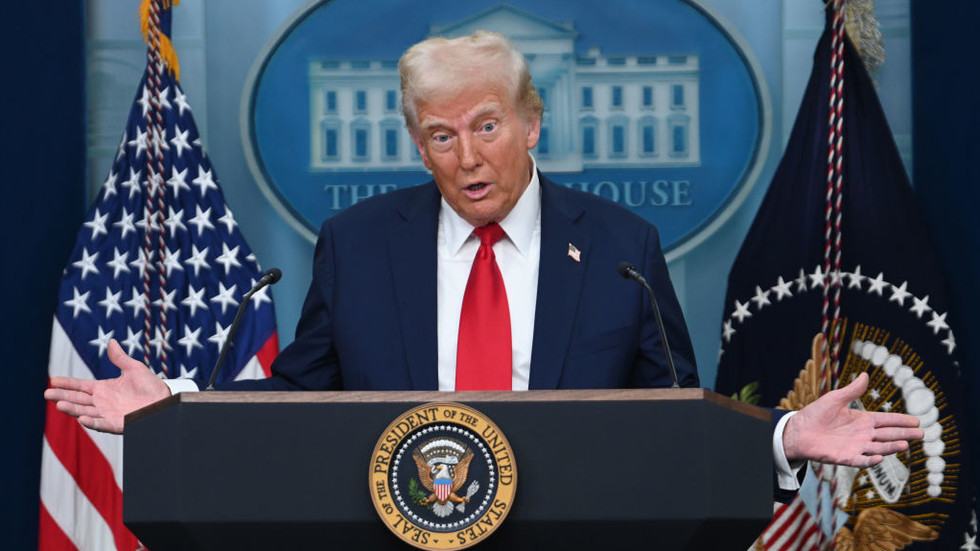
Trump’s Bold Move: The Implications of Tariffs on Metal Imports
In a striking announcement, former President Donald Trump has proposed sweeping tariffs on essential metal imports, stirring a whirlwind of discussions across the political and economic landscape. This bold move raises significant questions about the potential impact on the economy and global trade relations. With industries bracing for change, stakeholders must ponder the long-term consequences of this economic strategy that echoes through factories, boardrooms, and international negotiations.
Understanding the Proposed Tariffs
Tariffs, essentially taxes imposed on imported goods, are intended to protect domestic industries by making foreign products more expensive. Trump’s proposal specifically targets key metals such as steel and aluminum, which are vital for many sectors including construction, automotive, and manufacturing. The rationale behind these tariffs revolves around national security and the need to bolster domestic production, particularly in an era where global supply chains have been tested by various crises including the pandemic.
By imposing these tariffs, Trump aims to encourage American companies to source metals domestically, thereby stimulating local economies and preserving jobs. However, the implications of such a policy extend far beyond immediate economic benefits.
The Immediate Economic Impact
One of the first concerns regarding Trump’s proposed tariffs is the potential for increased prices on consumer goods. As manufacturers face higher costs for raw materials, these expenses could trickle down to the consumer. This inflationary pressure could impact everything from construction projects to the prices of vehicles, potentially leading to a slower economic recovery.
- Increased Costs: Industries reliant on metal imports might struggle with rising production costs.
- Consumer Prices: Higher costs for manufacturers could lead to increased prices for consumers.
- Job Preservation: The tariffs aim to protect some domestic jobs while risking others in export-dependent industries.
Global Trade Relations at Stake
Trump’s stance on tariffs is not without precedent; similar approaches have been observed in various administrations. However, the current global trade environment is particularly precarious. The proposed tariffs could exacerbate tensions with key trading partners, leading to retaliatory measures that could spiral into trade wars.
Countries affected by these tariffs might respond by imposing their own tariffs on American goods, undermining the competitive position of U.S. exporters. This scenario is reminiscent of the trade disputes seen during Trump’s presidency, where the imposition of tariffs on China led to a tit-for-tat escalation that harmed various sectors in both economies.
Sector-Specific Responses
Different sectors will feel the impact of these tariffs in unique ways. For instance, the construction industry, which heavily relies on steel and aluminum, might face project delays and increased costs. On the other hand, domestic steel producers may benefit from reduced competition, potentially leading to increased production capacity.
- Construction Industry: May face cost increases and project delays.
- Automotive Sector: Higher material costs could lead to increased vehicle prices.
- Domestic Producers: Potentially benefit from reduced foreign competition.
Long-term Economic Strategy
While the immediate implications of Trump’s proposed tariffs are concerning, the long-term strategy is equally critical. By fostering a more self-sufficient metal production industry, the U.S. could reduce its vulnerability to global supply chain disruptions. This could be particularly relevant in light of recent events that have highlighted the fragility of international supply networks.
Moreover, a focus on domestic industries could spur innovation and investment in new technologies, ultimately positioning the U.S. as a leader in metal production. However, this vision is contingent upon the ability of domestic industries to scale up and compete effectively without the reliance on imports.
The Role of Stakeholders
As industries brace for change, various stakeholders will play a crucial role in navigating the implications of these tariffs:
- Government Officials: Must balance the interests of protecting jobs with the potential risks of stifling international trade.
- Business Leaders: Need to adapt their strategies in response to changing costs and market dynamics.
- Workers: Will be affected directly by changes in employment opportunities and wages.
Looking Ahead: A Balanced Approach?
As we look to the future, it’s essential to consider a balanced approach that promotes domestic production while maintaining healthy trade relations. Policymakers could explore options such as targeted subsidies for domestic producers or investment in advanced manufacturing technologies that enhance competitiveness.
Furthermore, engaging in dialogue with international partners could help mitigate the risks of retaliation and foster cooperation in addressing global supply chain challenges. This holistic approach could serve to strengthen the domestic economy while preserving the benefits of global trade.
Trump’s bold move in proposing tariffs on metal imports signifies a pivotal moment in U.S. economic policy. As industries adapt to this new reality, the potential impacts on prices, trade relations, and domestic production will unfold in the coming months. Stakeholders across the board must remain vigilant, adaptable, and proactive in navigating the implications of these tariffs. Ultimately, the goal should be to foster a resilient economy that not only protects domestic interests but also embraces the opportunities of a global marketplace.
In sum, while the path forward may be fraught with challenges, it also offers a chance for innovation and growth. As we forge ahead, a collaborative approach could yield a prosperous outcome for the American economy and its place in the world.
See more CCTV News Daily