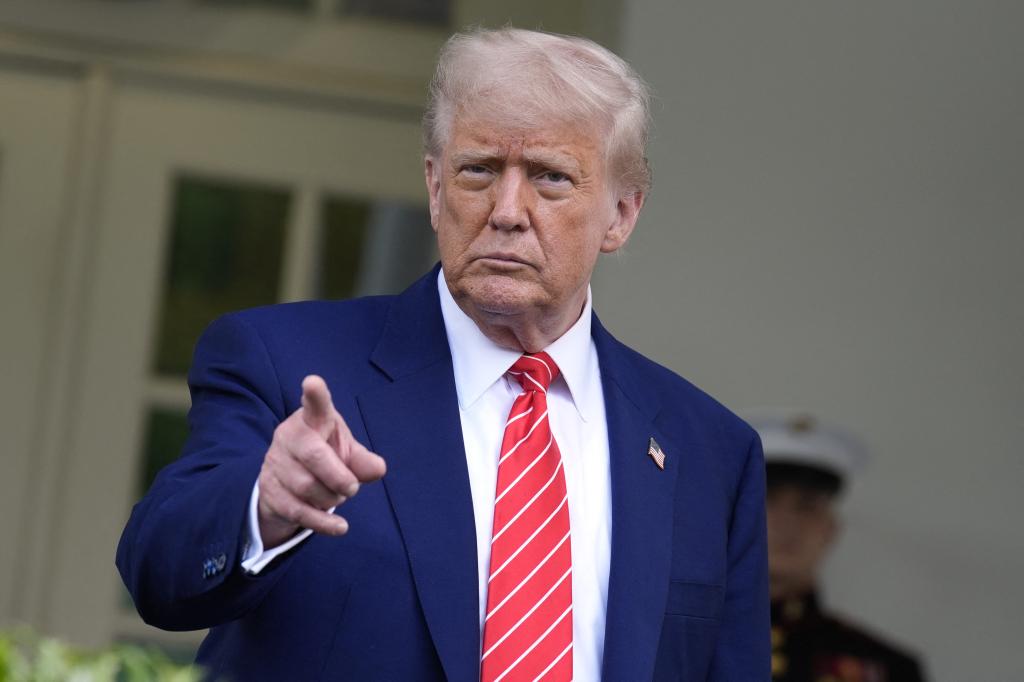
Trump’s Delegation Engages in High-Stakes Trade Negotiations in Switzerland
A high-level delegation representing former U.S. President Donald Trump arrived in Geneva this week for critical trade discussions with Chinese officials, aiming to address a contentious 145% tariff rate on certain imports. The talks, occurring against a backdrop of global economic uncertainty, could redefine bilateral trade relations and influence markets worldwide. Sources close to the negotiations suggest both sides are prepared for tough bargaining as they seek to balance domestic priorities with international pressures.
Background: The Escalating Tariff War
The current 145% tariff—a threefold increase since 2018—primarily affects Chinese manufactured goods, including electronics, steel, and automotive parts. According to U.S. Census Bureau data, these tariffs have reduced bilateral trade volume by approximately $120 billion annually since their implementation. However, proponents argue they’ve boosted domestic production in key sectors by 18%.
“This isn’t just about trade deficits,” explains Dr. Evelyn Cho, senior fellow at the Peterson Institute for International Economics. “It’s a strategic play to reshore critical industries. But the economic pain is becoming increasingly difficult to justify, especially for American consumers facing higher prices.”
The Swiss venue was chosen as a neutral ground following months of diplomatic backchanneling. Notably, the discussions come as:
- U.S. inflation remains stubbornly above Federal Reserve targets
- China’s manufacturing PMI shows unexpected contraction
- Global supply chains face renewed pressure from Middle East tensions
Key Players and Negotiating Positions
Leading the U.S. team is former USTR Robert Lighthizer, architect of the original Trump-era tariffs, flanked by three senior Commerce Department veterans. Their Chinese counterparts include Vice Minister of Commerce Wang Shouwen and representatives from China’s Ministry of Finance.
Insiders reveal the U.S. seeks:
- Gradual tariff reduction tied to verifiable Chinese market access
- Stronger intellectual property protections
- Limits on state subsidies to Chinese manufacturers
Conversely, China reportedly demands immediate tariff relief and opposes conditions linking trade to unrelated geopolitical issues. “There’s significant daylight between their positions,” notes Geneva-based trade analyst Marc Dubois. “The question is whether they can find enough middle ground for a phased agreement.”
Potential Economic Impacts of a Deal
A successful negotiation could produce ripple effects across global markets. Morgan Stanley analysts project that even a 50% tariff reduction might:
- Lower U.S. consumer prices by 2-3% on affected goods
- Boost Chinese export growth by 5 percentage points
- Add 0.7% to global trade volume in 2025
However, domestic critics warn of potential backlash. “American manufacturers have invested billions based on current trade policies,” says Jim Foster, CEO of the Alliance for American Manufacturing. “Sudden changes could destabilize entire supply chains without proper transition mechanisms.”
Emerging markets particularly await the outcome, as many serve as alternative production hubs during the U.S.-China trade rift. Vietnam and Mexico have captured nearly $80 billion in redirected trade since 2020 according to UNCTAD data.
Geopolitical Considerations Beyond Trade
The negotiations occur amid heightened tensions over Taiwan, technology transfers, and competing visions for global economic leadership. Some analysts suggest the tariff discussion serves as a proxy for broader strategic competition.
“Trade has become the most measurable battlefield in the U.S.-China rivalry,” observes geopolitical strategist Li Wei. “Both sides want to demonstrate strength while avoiding economic mutually assured destruction.”
Notably absent are discussions about export controls on advanced semiconductors—a separate but related flashpoint. Administration officials emphasize they won’t bargain national security concerns for trade concessions.
What Comes Next in the Negotiations
The Geneva talks are expected to continue through Friday, with possible extensions if progress warrants. While no breakthrough is anticipated immediately, observers will scrutinize any joint statements for signals about:
- Agreed working groups or follow-up meetings
- Specific product categories earmarked for tariff relief
- Dispute resolution mechanisms
Market reaction has been cautiously optimistic, with the S&P 500 gaining 1.2% since negotiations began. The Chinese yuan has also strengthened slightly against the dollar.
Long-Term Implications for Global Commerce
Regardless of immediate outcomes, these talks represent a potential inflection point. “We’re seeing the first serious attempt to unwind the trade war’s most damaging aspects,” notes former WTO director-general Pascal Lamy. “Success could establish a new template for managing great power economic relations.”
However, structural issues like technology decoupling and competing industrial policies will likely persist. Most experts anticipate continued competition within a (hopefully) more predictable framework.
For businesses navigating these changes, the advice is clear: “Diversify your supply chains, stay agile, and watch Geneva closely this week,” recommends global trade attorney Samantha Chen. “The rules of engagement may be about to change.”
Follow developments in real-time through our live blog, featuring expert analysis and on-the-ground reporting from Geneva.
See more CCTV News Daily