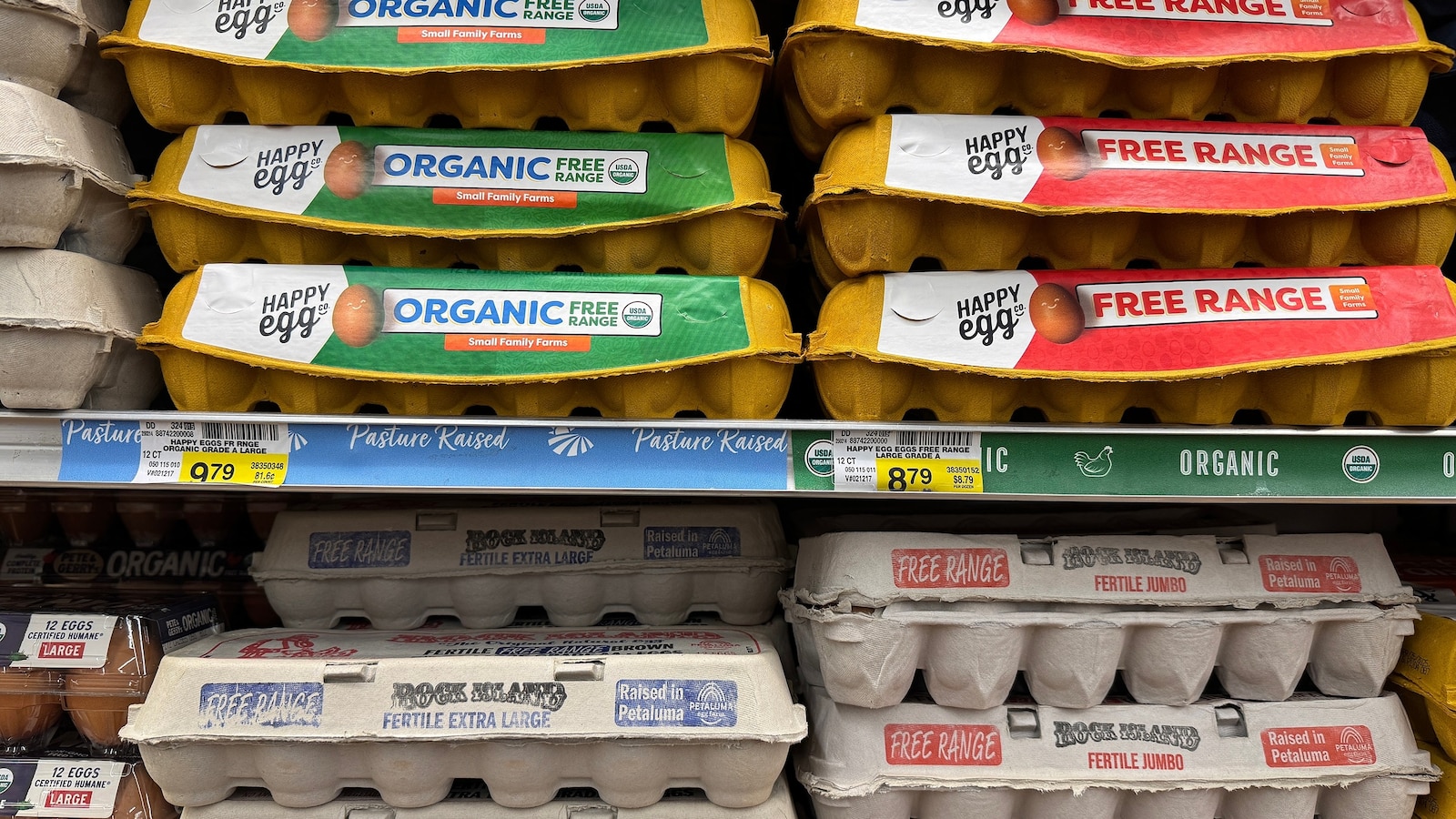
The Truth Behind Trump’s Egg Price Claims: What Experts Really Think
Former President Donald Trump recently reignited debates about inflation by targeting egg prices in campaign speeches, claiming they reflect broader economic mismanagement. As retail egg costs show signs of decline—dropping 22% year-over-year in May 2024—economists and agricultural analysts question the accuracy of his assertions. Here’s how supply chains, avian flu outbreaks, and market dynamics actually influence what consumers pay at the grocery store.
Trump’s Comments and the Political Backlash
During a June rally in Michigan, Trump declared, “Egg prices have gone through the roof because of this administration’s policies.” While retail eggs peaked at $4.82 per dozen in January 2023 due to avian flu wiping out 43 million hens, prices have since stabilized to $2.70—only 11% above 2020 levels. Political opponents and fact-checkers swiftly countered his claims, noting that global supply shocks, not federal decisions, drove most increases.
“Presidents have minimal control over short-term food prices,” said Dr. Sarah Lin, an agricultural economist at Cornell University. “The 2022-2023 avian flu pandemic was the worst in U.S. history. Blaming any administration for that is like blaming a mayor for a hurricane.”
What’s Really Driving Egg Price Fluctuations?
Three primary factors explain recent volatility in egg costs:
- Avian flu outbreaks: The highly pathogenic H5N1 strain devastated poultry farms, reducing egg-laying flocks by 12% nationally.
- Feed and fuel costs: Corn and soybean prices rose 34% and 27% respectively in 2022, increasing production expenses.
- Consumer demand shifts: Pandemic-era baking trends and protein preferences boosted egg consumption by 8% since 2019.
Market analyst Javier Mendez noted, “Egg prices are a textbook example of supply-demand imbalance. When you lose 10% of your hens overnight, prices spike until farms rebuild flocks—which takes 18-24 months.”
How Accurate Are the Broader Inflation Claims?
While egg prices became a political symbol, economists emphasize they’re a poor indicator of overall inflation. The Consumer Price Index (CPI) shows food-at-home inflation cooling to 1.2% annually as of May 2024, down from 11.4% in August 2022. However, partisan interpretations persist.
“Selective focus on single grocery items distorts economic understanding,” warned Federal Reserve Chair Jerome Powell during recent testimony. “We analyze 80,000 price points monthly. One product’s movement rarely tells the full story.”
What Consumers Can Expect Moving Forward
Industry projections suggest egg supplies will fully recover by late 2024, with prices stabilizing near pre-pandemic norms. Meanwhile, USDA investments in avian flu vaccines—$502 million allocated since 2023—aim to prevent future shortages. For budget-conscious shoppers, experts recommend:
- Buying store-brand eggs (typically 20% cheaper than name brands)
- Monitoring weekly ads for loss-leader promotions
- Considering plant-based alternatives during price surges
As election-year rhetoric heats up, Dr. Lin advises voters to scrutinize claims: “Food prices reflect complex global systems. Anyone reducing them to political soundbites either misunderstands economics or hopes you will.”
For real-time egg price tracking, visit the USDA’s Economic Research Service dashboard. Understanding these trends empowers consumers to separate fact from campaign fiction.
See more CCTV News Daily