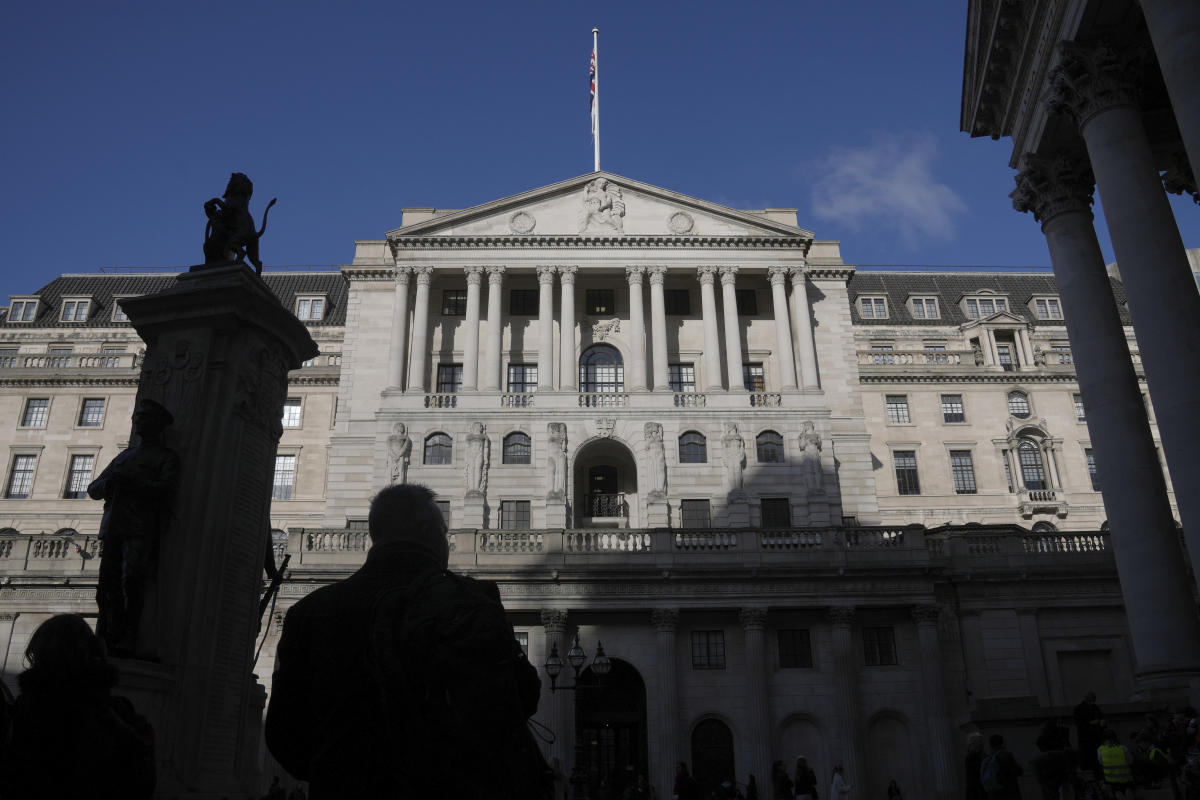
Understanding the Recent UK Inflation Surge and Its Implications for the Bank of England
UK inflation has surged to a 10-month peak, raising significant concerns among economists, policymakers, and consumers alike. As the cost of living continues to climb, the implications for the Bank of England’s future decisions regarding monetary policy are becoming increasingly critical. This article delves into the recent inflation trends, examines the potential responses from the Bank of England, and considers how these changes might impact consumer confidence and the broader economy.
What’s Behind the UK Inflation Surge?
Recent data indicates that the UK inflation rate has soared, reaching levels not seen in nearly a year. This rise can be attributed to several factors:
- Supply Chain Disruptions: Ongoing supply chain challenges, exacerbated by geopolitical tensions and the lingering effects of the pandemic, have led to increased costs for goods and services.
- Rising Energy Prices: A significant contributor to inflation has been the fluctuation in energy prices. The cost of oil and gas has surged, impacting not just transportation but also heating and electricity costs for consumers and businesses.
- Labor Market Tightness: A robust labor market has driven wages higher. While this is generally positive, it can also lead to increased costs for businesses, which may pass these costs onto consumers.
This combination of factors has created a perfect storm for inflation, prompting many to speculate on the potential responses from the Bank of England.
The Bank of England’s Monetary Policy Dilemma
As the guardian of the UK’s monetary policy, the Bank of England faces a challenging situation. With inflation now a pressing concern, the central bank must decide whether to adjust interest rates to rein in rising prices or maintain its current stance to support economic growth.
Historically, the Bank has aimed to keep inflation close to its target of 2%. However, with inflation now significantly above this level, the pressure to act is mounting. Here are a few potential scenarios:
- Interest Rate Hikes: One of the most common tools at the Bank’s disposal is adjusting interest rates. An increase in rates can help cool inflation by making borrowing more expensive and encouraging savings. However, this also risks stifling economic growth, particularly if businesses cut back on investment.
- Quantitative Tightening: Another approach could be for the Bank to reduce its bond-buying program, known as quantitative easing. This would aim to tighten the money supply, potentially curbing inflation but again, at the risk of slowing economic recovery.
The balance between controlling inflation and supporting economic growth is delicate. The Bank of England must consider the broader implications of its actions on consumers and businesses.
Consumer Confidence at a Crossroads
As inflation rises, consumer confidence is profoundly affected. Higher prices can lead to decreased spending power, meaning that households may need to tighten their belts. This shifting landscape raises several important questions:
- How will consumers adapt? Households may prioritize essential goods and services while cutting back on discretionary spending. This shift could slow down economic growth, impacting businesses across various sectors.
- Will inflation expectations rise? If consumers begin to expect higher prices in the future, they may adjust their behavior accordingly. This can create a self-fulfilling prophecy, where inflation continues to rise due to increased demand despite higher prices.
In this environment, the Bank of England’s decisions will play a pivotal role in shaping consumer sentiment. A well-communicated strategy that addresses inflation concerns while fostering economic growth could help maintain confidence in the economy.
Global Context and Comparisons
The UK is not alone in facing inflationary pressures. Many countries around the world are grappling with similar challenges, driven by global supply chain issues and economic recovery post-pandemic. For instance, the United States has also reported rising inflation, prompting the Federal Reserve to consider interest rate adjustments.
This international context is crucial for understanding the Bank of England’s potential moves. If the Bank raises rates, it may lead to higher borrowing costs not just in the UK, but could also have implications for international markets. Conversely, if it chooses to keep rates low, it risks falling behind other central banks in the fight against inflation.
Looking Ahead: The Bank of England’s Path Forward
As the UK navigates this challenging economic landscape, the Bank of England’s future decisions will be closely watched. Here are several factors that will likely influence its path:
- Economic Data Releases: Ongoing assessments of economic indicators, including GDP growth, unemployment rates, and consumer spending, will provide critical insights for policymakers.
- Global Economic Conditions: Developments in international markets, particularly in major economies like the US and the Eurozone, will play a role in shaping the Bank’s strategy.
- Public Sentiment: The Bank must also consider the public’s response to its decisions, as maintaining trust and credibility is essential for effective monetary policy.
Ultimately, while the current inflation surge poses significant challenges, it also presents an opportunity for the Bank of England to demonstrate its commitment to managing the economy effectively. With careful consideration and a balanced approach, the Bank can navigate these turbulent waters and guide the UK towards a stable economic future.
Conclusion
The recent UK inflation surge is a critical issue that will shape the Bank of England’s decisions in the coming months. As the central bank weighs its options, the interplay between controlling inflation and supporting economic growth will be paramount. By addressing these challenges head-on and maintaining open lines of communication with the public, the Bank can foster confidence and stability in the economy, ultimately benefiting consumers and businesses alike.
See more CCTV News Daily