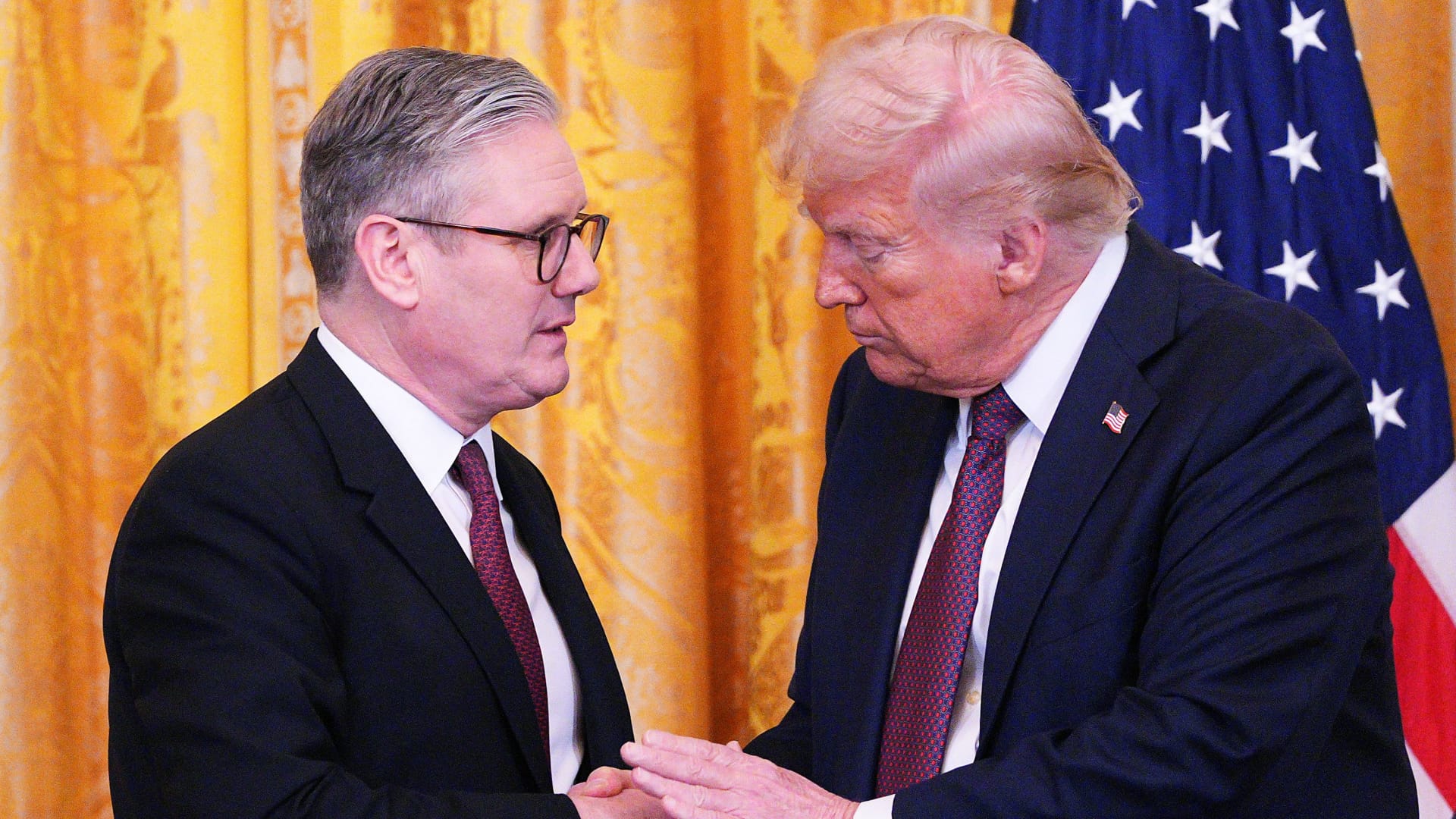
As the United Kingdom continues to redefine its global trade relationships post-Brexit, the shadow of tariffs imposed during Donald Trump’s presidency looms large. The U.S.-UK trade relationship has been complex and at times contentious, especially given the tariffs that have impacted various sectors. This article explores how the UK can navigate these trade tensions and potentially break free from the burdensome tariffs that have been a significant hurdle to economic growth.
The Impact of Trump’s Tariffs on the UK Economy
During Trump’s administration, a series of tariffs were introduced as part of a broader strategy to protect American industries. These tariffs affected a variety of goods, including steel, aluminum, and numerous agricultural products. For the UK, which relies heavily on exports to the U.S., these tariffs have presented substantial challenges.
- Steel and Aluminum Tariffs: The 25% tariff on steel and 10% on aluminum imports severely impacted the UK manufacturing sector. Many UK businesses faced increased costs, making them less competitive compared to their international counterparts.
- Agricultural Products: Tariffs on UK agricultural exports, particularly whisky and lamb, created barriers that hurt farmers and producers who traditionally relied on the U.S. market.
The imposition of these tariffs has not only led to increased prices for consumers but also strained trade relationships, emphasizing the need for the UK to find ways to alleviate these burdens.
Strategies for the UK to Alleviate Tariffs
To break free from Trump’s tariffs, the UK can adopt several strategic approaches. These strategies not only focus on negotiation but also on fostering economic resilience and diversification.
1. Diplomatic Engagement
One of the most direct ways for the UK to address the issue of tariffs is through diplomatic channels. Engaging in constructive dialogue with the current U.S. administration is crucial. The UK government can:
- Initiate Trade Talks: Proposing a new round of trade negotiations to discuss the retraction or reduction of tariffs can be beneficial. The aim should be to create a more balanced and mutually beneficial trade agreement.
- Utilize Multilateral Forums: Engaging in forums such as the G7 and World Trade Organization (WTO) can help the UK garner support from other nations affected by similar tariffs, strengthening its bargaining position.
2. Diversification of Trade Partners
While the U.S. remains a key trading partner, the UK must consider diversifying its trade relationships. By exploring new markets, the UK can reduce its dependency on the U.S. and mitigate the impact of tariffs:
- Emerging Markets: Expanding trade with countries in Asia, Africa, and Latin America can unlock new opportunities. Countries like India, Brazil, and Vietnam are showing promising economic growth and could be viable partners.
- Strengthening EU Ties: Post-Brexit, it is essential for the UK to continue nurturing trade relationships with EU countries. A strong economic partnership with the EU can provide a buffer against U.S. tariffs.
3. Supporting Domestic Industries
As the UK navigates these trade tensions, bolstering domestic industries will be crucial. By investing in local production, the UK can reduce its reliance on imports, making it more resilient to external pressures:
- Investment in Technology: Encouraging innovation and technology in manufacturing can help UK industries become more competitive and reduce costs.
- Incentivizing Local Production: Providing incentives for businesses to produce goods domestically can help mitigate the impact of tariffs on imported goods.
Potential Outcomes of Reducing Tariffs
If the UK successfully navigates these trade tensions and reduces or eliminates tariffs, several positive outcomes are likely to follow:
- Increased Exports: Alleviating tariffs could lead to a surge in UK exports, particularly in sectors like agriculture and manufacturing, enhancing economic growth.
- Job Creation: A boost in exports and domestic production can lead to job creation across various sectors, helping to stabilize the economy.
- Strengthened Bilateral Relations: Improved trade conditions can foster better diplomatic relationships, paving the way for further cooperation on other global issues.
The Role of Public Sentiment
Public sentiment plays a significant role in shaping trade policies. As the UK government considers its options, it must be mindful of the views of its citizens and businesses. A responsive approach that takes into account the needs of the public can enhance the legitimacy of policy decisions:
- Engaging Stakeholders: Consulting with industry leaders, trade associations, and the public can provide valuable insights into the potential impact of tariffs and trade negotiations.
- Public Awareness Campaigns: Educating the public about the importance of trade and the implications of tariffs can garner support for government initiatives aimed at reducing trade barriers.
Looking Ahead: A Global Perspective
The landscape of global trade is constantly evolving, and the UK’s ability to adapt will be crucial in overcoming the challenges posed by Trump’s tariffs. As the UK seeks to redefine its trade policies, it must remain vigilant and proactive in its approach.
By engaging in diplomatic dialogue, diversifying trade partnerships, and supporting domestic industries, the UK can create a robust strategy to break free from the constraints of past tariffs. Ultimately, the goal is to foster a trade environment that not only benefits the UK but also contributes positively to the global economy.
As the UK moves forward, it’s essential to remember that trade is not merely about tariffs and negotiations; it’s about building relationships, fostering growth, and advancing shared interests in an increasingly interconnected world.
In conclusion, while the path to alleviating Trump’s tariffs may be fraught with challenges, the UK possesses the tools and strategies necessary to navigate these trade tensions successfully. With a focused and coordinated approach, there is ample opportunity for the UK to thrive in the global marketplace once again.
See more CCTV News Daily