Unraveling Recession: Understanding Market Turmoil Amid Growing Fears
As anxiety about a potential recession escalates, markets are experiencing significant volatility. Investors and consumers alike are grappling with uncertainty, leading to fluctuations in stock prices, changes in consumer behavior, and a heightened focus on economic indicators. This article delves into the factors driving these fears and the implications for investors and the economy.
The Roots of Recession Fears
Understanding the current economic landscape requires a deep dive into the factors fueling recession fears. Several key elements contribute to this atmosphere of uncertainty:
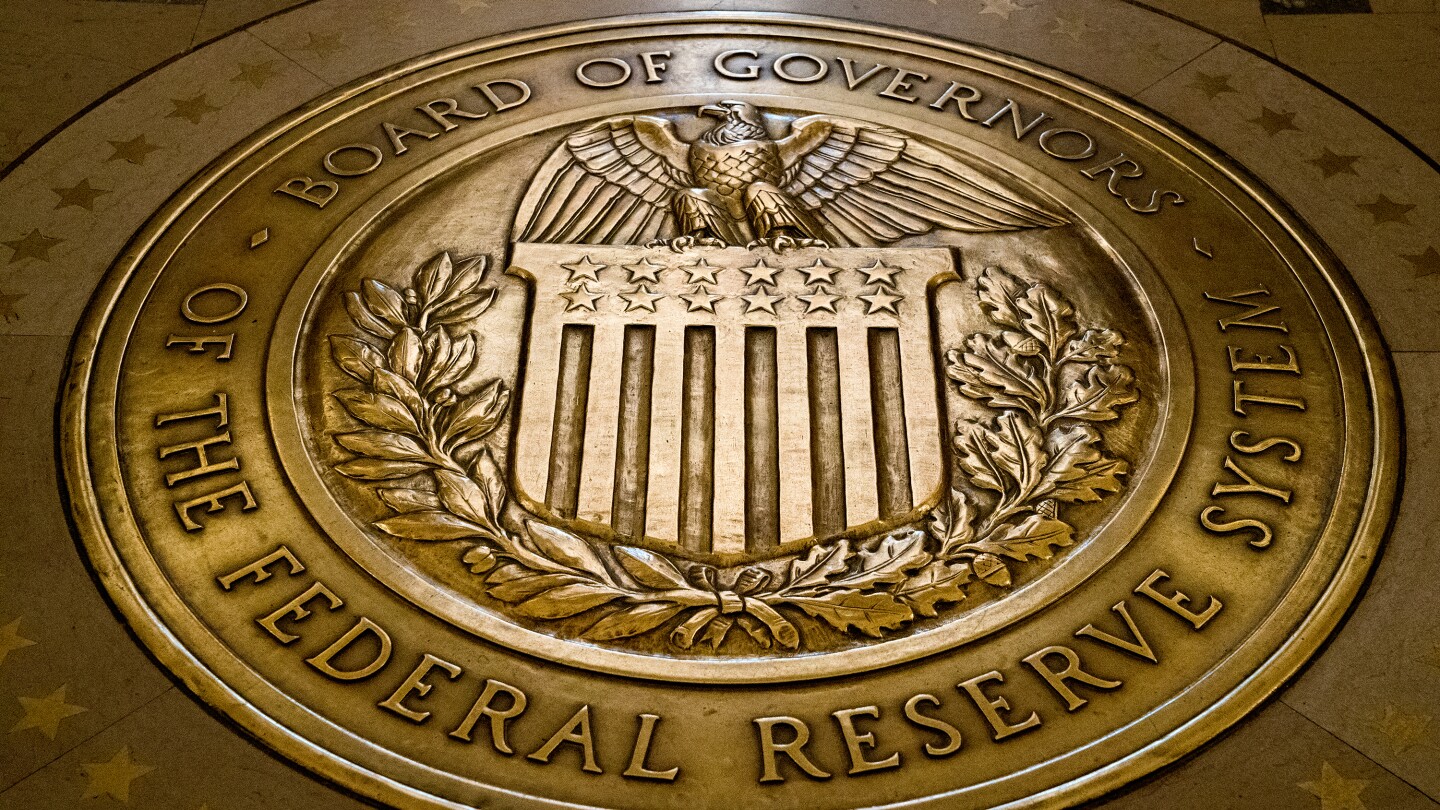
- Inflationary Pressures: Persistent inflation has been a major concern. As prices rise, the purchasing power of consumers diminishes, leading to reduced spending. The Federal Reserve’s aggressive interest rate hikes aimed at curbing inflation can also slow economic growth.
- Supply Chain Disruptions: Global supply chain issues, exacerbated by the pandemic, have created bottlenecks that affect production and distribution. This disruption has resulted in increased costs and delays, impacting businesses and consumers alike.
- Geopolitical Uncertainty: Ongoing tensions in various regions, including conflicts and trade disputes, contribute to market instability. Investors often react to geopolitical events with caution, fearing potential economic repercussions.
- Labor Market Dynamics: While a strong job market can indicate economic health, labor shortages and wage pressures can lead to higher operational costs for businesses, prompting them to cut back on hiring or investment.
Market Reactions: The Role of Investor Sentiment
Investor sentiment plays a pivotal role in the market’s reaction to recession fears. When anxiety levels rise, even minor negative news can trigger significant sell-offs, leading to increased volatility. Here’s how sentiment shapes market behavior:
- Flight to Safety: In uncertain times, investors often shift their portfolios towards safer assets, such as government bonds or gold. This shift can lead to declines in stock prices, particularly in sectors perceived as more vulnerable.
- Market Speculation: Speculation can amplify market movements. Traders may react to rumors or predictions about economic downturns, leading to further market fluctuations.
- Psychological Factors: Fear can be contagious. As more investors become worried about a recession, the collective sentiment can lead to panic selling, which exacerbates market declines.
The Implications of a Potential Recession
If recession fears materialize, the implications for the economy and investors could be profound. Here are some potential outcomes:
- Increased Unemployment: A recession often leads to job losses as companies cut costs. Higher unemployment can further decrease consumer spending, creating a vicious cycle.
- Reduced Corporate Profits: Companies may face declining sales and profitability. Lower earnings can negatively impact stock prices, leading to reduced investor confidence.
- Government Intervention: In response to economic downturns, governments may implement stimulus measures to support the economy. While these measures can provide short-term relief, their long-term effectiveness is often debated.
- Investment Strategy Shifts: Investors may need to reassess their strategies during recessionary periods. Defensive stocks, such as those in utilities or consumer staples, often perform better during downturns compared to cyclical stocks.
Strategies for Investors in a Turbulent Market
For investors, navigating a turbulent market during recession fears can be challenging but not impossible. Here are some strategies to consider:
- Diversification: Maintaining a diversified portfolio can help mitigate risks. By spreading investments across various asset classes and sectors, investors can protect themselves from significant losses in any one area.
- Focus on Fundamentals: Investing in companies with strong fundamentals—solid balance sheets, consistent cash flow, and a competitive advantage—can provide a buffer against market fluctuations.
- Stay Informed: Keeping abreast of economic indicators, market trends, and geopolitical developments is crucial. Knowledge enables better decision-making and can help investors anticipate market movements.
- Consider Dollar-Cost Averaging: This strategy involves investing a fixed amount of money at regular intervals, regardless of market conditions. It can reduce the impact of volatility over time.
Conclusion: A Cautious Yet Hopeful Outlook
While the fears surrounding a potential recession are palpable, it’s essential to remember that economic cycles are a natural part of the market landscape. Historically, economies have rebounded after downturns, often emerging more robust than before. Investors and consumers can take comfort in the fact that prudent strategies, informed decision-making, and resilience can navigate through turbulent times.
As we continue to monitor the evolving economic situation, staying informed and adaptable will be key. The landscape may be fraught with uncertainty, but opportunities for growth and recovery will inevitably arise. By understanding the factors driving recession fears and preparing accordingly, individuals can position themselves for success, irrespective of the economic climate.
See more CCTV News Daily