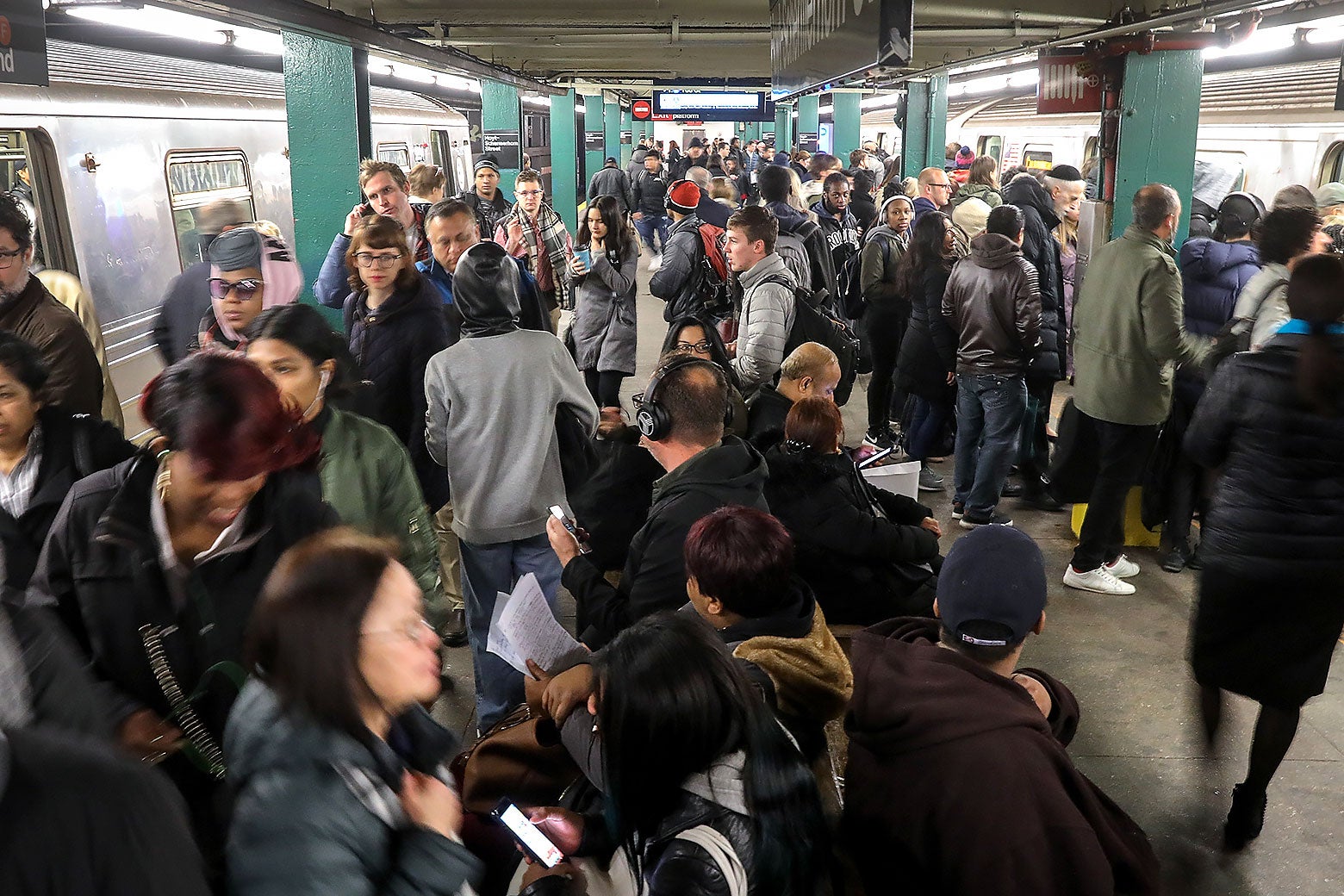
Urban Resurgence: Major U.S. Cities Defy Predictions with Population Growth
As the 2024 Census approaches, America’s largest cities—including New York, Los Angeles, and Chicago—are experiencing an unexpected population rebound after years of decline. Preliminary data reveals a 1.2% average growth rate in 15 major metro areas since 2022, driven by returning remote workers, immigrant inflows, and Gen Z migration. Urban planners cite improved affordability initiatives and tech-sector expansions as key factors reversing the “urban exodus” trend of the pandemic era.
The Numbers Behind the Comeback
Recent estimates from the Brookings Institution show:
- New York City added 78,000 residents in 2023—its first gain since 2016
- Los Angeles County reversed a 3-year decline with 56,000 new residents
- Chicago saw its smallest population drop (-0.3%) since 2015
“This isn’t just a statistical blip,” says Dr. Elena Torres, urban economist at Columbia University. “We’re seeing concrete evidence of reinvestment—from adaptive office conversions to transit upgrades—that’s making cities competitive again.” The trend contrasts sharply with 2021 projections that suggested permanent declines for 80% of major metros.
What’s Driving the Urban Resurgence?
Three interconnected factors appear most influential:
1. The Remote Work Recalibration
While hybrid work persists, companies like Amazon and JPMorgan Chase have mandated partial office returns. A Pew Research study found 43% of remote-capable workers now commute at least 3 days weekly—up from 35% in 2022. “The ‘death of cities’ narrative ignored how much young professionals value networking and mentorship,” notes tech recruiter Marcus Chen.
2. Immigration Patterns Rebounding
Post-pandemic visa processing has accelerated, with DHS reporting 1.1 million new legal immigrants in 2023—the highest since 2017. Traditionally gateway cities absorbed 62% of these arrivals according to MPI data.
3. Gen Z’s Urban Preference
Unlike millennials who fled cities during their child-rearing years, 58% of 25-34 year-olds in a Gallup survey prioritized walkability over square footage. “We’d rather have museums and nightlife than backyard barbecues,” explains 28-year-old Denver resident Priya Nambiar.
Challenges Accompanying Growth
The population uptick brings familiar urban pressures:
- New York’s average rent rose 8% year-over-year to $3,800
- San Francisco’s homeless count increased 12% despite new shelters
- Chicago’s CTA faces a 38% operator shortage amid ridership gains
“Growth without infrastructure investment is a recipe for crisis,” warns urban policy expert David Kim of the Lincoln Institute. Some cities are responding innovatively—Los Angeles fast-tracked 15,000 accessory dwelling units (ADUs) in 2023, while Minneapolis eliminated single-family zoning citywide.
The Economic Implications
Commercial real estate markets show signs of stabilization, with office vacancies dropping 2.4 percentage points nationally since their 2022 peak. Retail follows suit—Manhattan’s storefront vacancy rate fell below 10% for the first time in five years. “Cities remain economic engines,” says Federal Reserve analyst Rachel Goldstein. “Every 10,000 new urban residents generates about $750 million in annual GDP.”
Yet disparities persist. While tech hubs like Austin and Seattle thrive, older industrial cities struggle. Detroit lost population for the 15th consecutive year, albeit at a slower rate (-0.7% vs. -1.4% in 2021).
What the 2024 Census Will Reveal
The decennial count will provide definitive answers about whether this urban resurgence represents a short-term correction or lasting shift. Key questions include:
- Are families returning or is growth driven by singles/couples?
- How significantly have Sun Belt cities slowed compared to coastal hubs?
- What’s the net migration pattern between urban and suburban counties?
Preliminary fieldwork suggests surprising gains in historically expensive cities. “The ‘California exodus’ story was always oversimplified,” remarks USC demographer Manuel Pastor. “When you adjust for cost of living, LA still offers unmatched opportunity clusters.”
The Future of Urban America
Urban planners anticipate these developments will shape coming decades:
- Housing innovation: Expect more micro-unit developments and shared-space models
- Transit evolution: Cities are piloting on-demand shuttles and e-bike subsidies
- Climate adaptation: Coastal metros are investing in flood barriers as populations grow
As Mayor Eric Adams recently stated: “The 21st century city isn’t about surviving—it’s about thriving through reinvention.” For urban advocates, the challenge now shifts from stemming losses to managing growth equitably.
Want to understand how your city compares? Explore our interactive metro growth tracker updated with the latest Census Bureau estimates.
See more CCTV News Daily