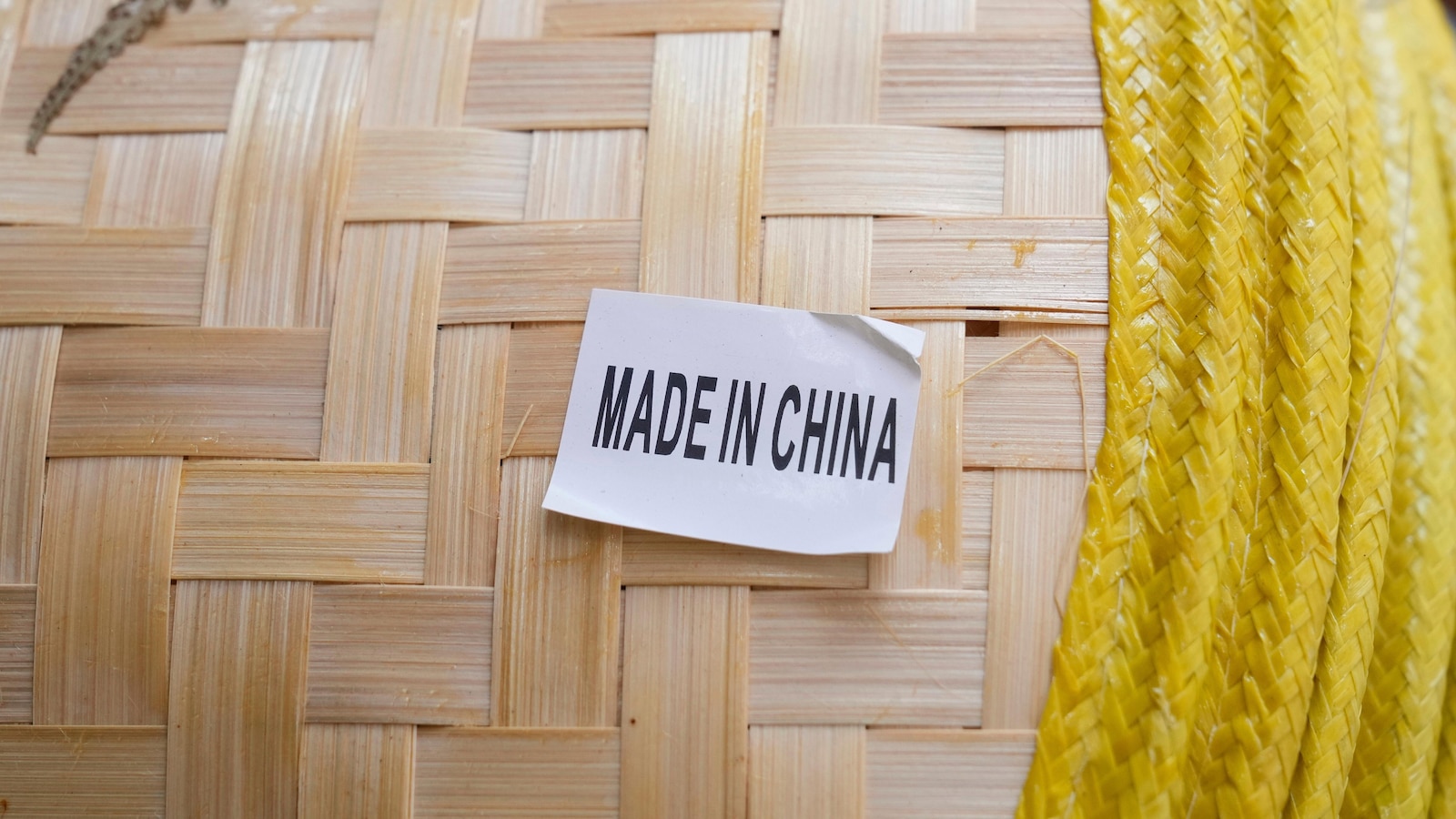
Unpacking the US-China Trade Deal: A Win for Consumers and Businesses Alike
In a landmark move to ease economic tensions, the United States and China have finalized a trade agreement that slashes tariffs on billions of dollars worth of goods. Signed this month after months of negotiation, the deal aims to lower costs for American consumers, stabilize supply chains, and foster bilateral trade. Experts suggest this could mark a turning point for global commerce amid rising inflation and geopolitical strains.
Key Provisions of the Trade Agreement
The phased reduction of tariffs stands as the centerpiece of the agreement. The US will roll back levies on approximately $350 billion of Chinese imports, including electronics, apparel, and household goods, while China will reduce duties on American agricultural products and energy exports. Notably, the deal includes:
- A 50% cut on tariffs for consumer electronics by Q1 2025
- Immediate suspension of additional tariffs on medical supplies
- Streamlined customs procedures to reduce delays by up to 30%
According to the Peterson Institute for International Economics, these measures could save the average American household $800 annually on everyday purchases. “This agreement is a rare win-win,” said trade analyst Linda Chen. “Consumers get relief from high prices, while businesses regain predictability in cross-border operations.”
Impact on Consumer Prices and Supply Chains
Retailers and economists anticipate price drops on affected goods within 3-6 months. A recent UBS analysis projects:
- 10-15% price reduction on Chinese-made furniture and textiles
- 8-12% decrease in electronics, including smartphones and laptops
- 5-7% lower costs for seasonal goods like holiday decorations
However, some industry groups remain cautious. “While the tariff relief helps, supply chain diversification remains critical,” noted Jason Miller of the National Retail Federation. “Many companies won’t fully return to China-centric models after recent disruptions.”
Broader Economic and Geopolitical Implications
The deal arrives as both nations grapple with economic headwinds. With US inflation hovering at 3.2% and China’s export growth slowing to 4.5% year-over-year, the agreement provides much-needed breathing room. Yet geopolitical tensions persist in areas like semiconductor exports and South China Sea policies.
Key long-term considerations include:
- Technology Decoupling: Export controls on advanced chips remain unchanged
- Energy Trade: China commits to purchase $50 billion in US LNG over 5 years
- Enforcement Mechanisms: Quarterly reviews to ensure compliance
Mixed Reactions from Stakeholders
While manufacturers and retailers largely applaud the deal, some labor groups express concerns. The AFL-CIO argues that tariff reductions could undermine domestic production, citing the loss of 1.2 million manufacturing jobs since 2000 due to trade imbalances. Conversely, small business owners welcome the changes. “This helps me stock affordable inventory without raising prices,” said Maria Gonzalez, owner of a home goods store in Texas.
What’s Next for US-China Trade Relations?
Observers suggest this agreement may pave the way for broader negotiations, though significant hurdles remain. The Biden administration faces pressure to address intellectual property protections and forced labor concerns, while China seeks expanded access to US technology markets.
For businesses and consumers, the immediate advice is clear: Monitor upcoming tariff implementation schedules and prepare for gradual price adjustments. Those reliant on cross-border trade should consult updated customs guidance and explore how reduced duties could impact their bottom lines.
As the global economy stands at a crossroads, this deal offers cautious optimism. Its ultimate success may hinge on whether both nations can build on this progress to address deeper structural issues in the world’s most consequential trade relationship.
See more CCTV News Daily