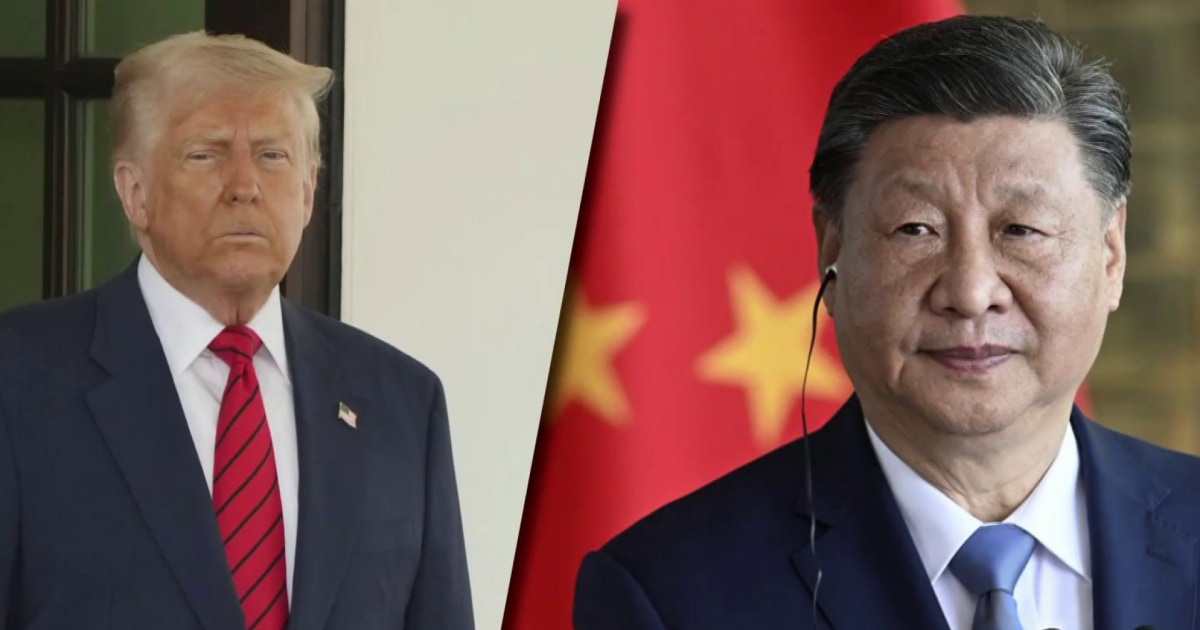
Tensions Rise: U.S. and China Prepare for Crucial Trade Negotiations
Washington and Beijing are set to engage in high-stakes trade negotiations next month as escalating tariffs and geopolitical friction threaten to destabilize global markets. Scheduled for mid-October in Geneva, the talks aim to address longstanding disputes over technology transfers, intellectual property, and bilateral tariffs that have strained relations since 2018. With both nations signaling cautious optimism, economists warn that failure could trigger a new wave of inflation and supply chain disruptions.
Background of the Trade War and Key Sticking Points
The U.S.-China trade war, initiated under the Trump administration, has seen tariffs imposed on over $450 billion worth of goods. Despite a 2020 Phase One deal, tensions flared anew under President Biden, particularly over:
- Technology restrictions: U.S. export controls on semiconductors and AI components
- Subsidies: China’s state support for strategic industries like EVs and solar panels
- Market access: American firms face barriers in China’s financial and tech sectors
Recent data from the Peterson Institute shows U.S. imports from China dropped 24% since 2022, while Chinese tariffs on American agricultural goods have cost U.S. farmers $27 billion annually.
Stakeholder Perspectives and Economic Impacts
“This isn’t just about tariffs—it’s a battle for economic supremacy,” says Dr. Lin Wei, a trade analyst at Beijing University. “China won’t compromise on development priorities, but both sides need to avoid mutual damage.” Meanwhile, U.S. Trade Representative Katherine Tai emphasized “leveling the playing field” for American workers during a recent Brookings Institution speech.
The ripple effects are global. The IMF projects a 0.5% decline in worldwide GDP growth if negotiations collapse, with Southeast Asian manufacturing hubs like Vietnam and Thailand caught in the crossfire. Auto and electronics sectors face particular vulnerability due to intertwined supply chains.
Pre-Negotiation Posturing and Strategic Moves
Both nations have made calculated gestures ahead of the talks:
- U.S. actions: Eased some solar panel tariffs but expanded chip sanctions
- China’s response: Approved Boeing 737 MAX purchases while restricting rare earth exports
Analysts note these mixed signals reflect domestic pressures. U.S. lawmakers demand tougher action ahead of elections, while China grapples with 6% youth unemployment and a property crisis. “Theatre precedes substance in all major negotiations,” observes former WTO director Pascal Lamy.
Potential Outcomes and Global Implications
Scenario modeling by the Atlantic Council suggests three likely outcomes:
- Limited détente: Partial tariff rollbacks with side agreements on agriculture
- Status quo: Extended talks with no major breakthroughs
- Escalation: New tech investment bans and 25% auto tariffs
European and African markets brace for fallout. Germany’s export-driven economy could lose €12 billion annually if Option 3 materializes, while African lithium producers eye opportunities to replace Chinese mineral exports to the U.S.
What Comes Next: A Fragile Road Ahead
The Geneva talks represent a fork in the road for multilateral trade. Success could revive WTO relevance and stabilize commodity prices, while failure may accelerate regional trade blocs like the CPTPP. Businesses are advised to:
- Diversify supply chains beyond China and the U.S.
- Increase hedging against currency fluctuations
- Monitor semiconductor and clean energy policy shifts
As the world’s economic heavyweights circle the negotiating table, the stakes extend far beyond bilateral relations—this is a defining moment for 21st-century globalization. Follow our live updates for breaking developments from Geneva.
See more CCTV News Daily