Trump Advocates for Increased U.S. Energy Purchases to Counter Tariff Hikes
Former President Donald Trump is pushing for major trade partners to ramp up purchases of American energy products, a strategic effort to offset potential tariff increases and reinforce economic alliances. The proposal, unveiled during recent policy discussions, aims to leverage U.S. energy exports as a bargaining chip in trade negotiations while supporting domestic production. Experts suggest this move could reshape global energy markets and trade dynamics.
The Strategic Rationale Behind the Energy Export Push
Trump’s proposal centers on using energy exports as a diplomatic and economic tool. By encouraging countries like China, Japan, and European Union members to buy more U.S. oil, natural gas, and coal, the administration hopes to reduce trade deficits and create a buffer against retaliatory tariffs. The U.S. has become the world’s top oil producer in recent years, producing over 13 million barrels per day in 2023, according to the Energy Information Administration (EIA).
“Energy dominance has always been a cornerstone of Trump’s economic strategy,” said Dr. Linda Carter, a trade policy analyst at the Brookings Institution. “By tying energy exports to trade negotiations, he’s creating a win-win scenario: allies get reliable energy supplies, while the U.S. gains leverage and jobs.”
However, critics argue that the plan may face hurdles:
- Market volatility: Global energy prices fluctuate significantly, making long-term commitments challenging.
- Environmental concerns: Increased fossil fuel exports conflict with international climate goals.
- Geopolitical tensions: Some nations may resist dependency on U.S. energy due to political friction.
Economic Implications for U.S. Energy Producers
The initiative could provide a substantial boost to American energy companies, particularly in shale-rich regions like Texas and North Dakota. The American Petroleum Institute estimates that increased exports could add $73 billion annually to the U.S. economy by 2030. Smaller producers, in particular, stand to benefit from expanded market access.
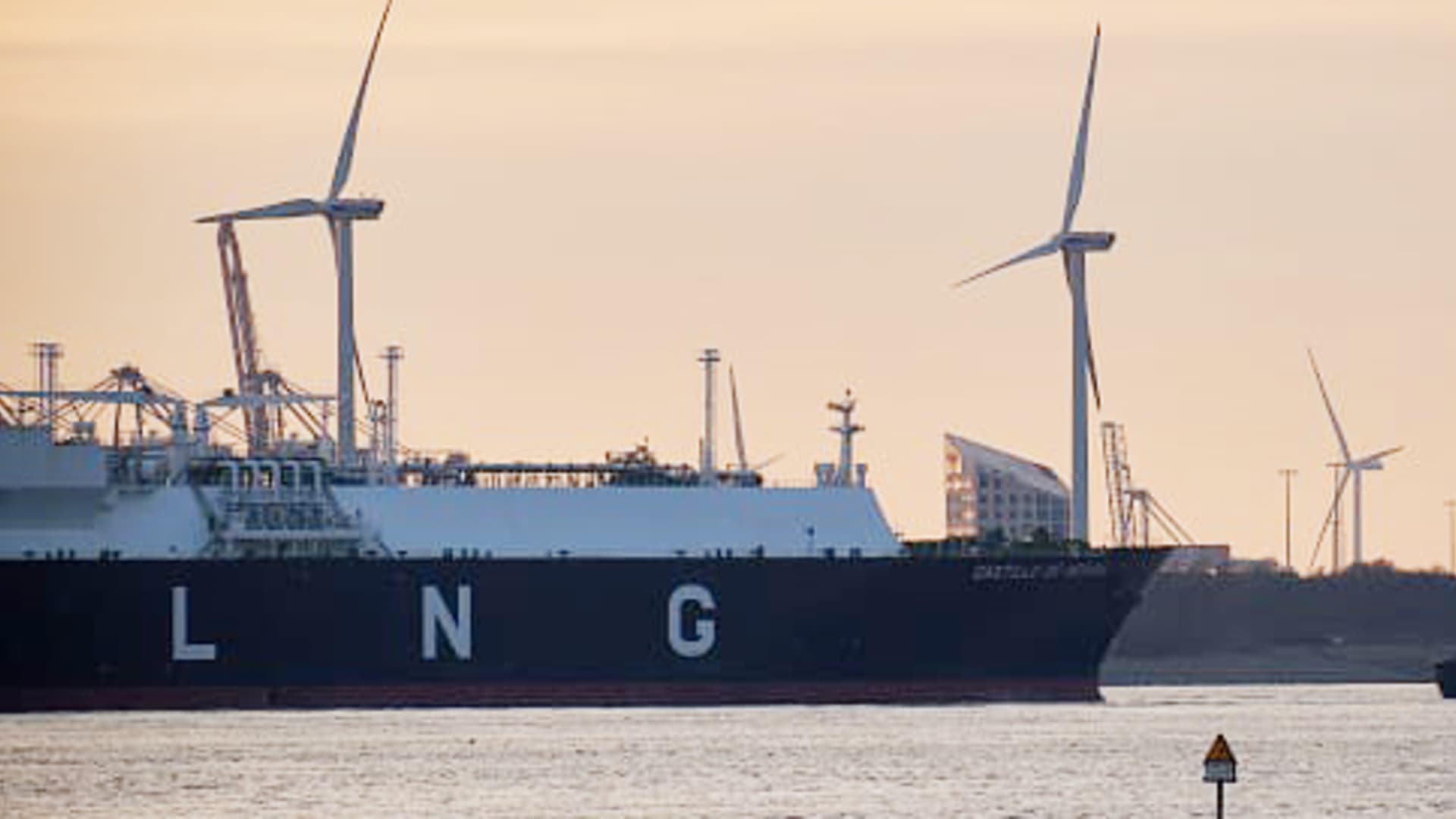
“This isn’t just about big oil—it’s about revitalizing rural economies,” remarked energy economist Mark Reynolds. “Every additional cargo ship filled with LNG (liquefied natural gas) means more jobs for drillers, transporters, and port workers.”
Key potential benefits include:
- Higher demand stabilizing domestic energy prices
- Increased investment in pipeline and export infrastructure
- Strengthened energy security for allies reducing reliance on Russia or OPEC
Global Trade Reactions and Potential Roadblocks
Initial responses from trade partners have been mixed. While Japan—already the largest importer of U.S. LNG—has signaled openness, the European Union remains cautious about locking in long-term fossil fuel deals amid its green energy transition. China, a major target for increased exports, has yet to comment publicly but previously resisted tying energy purchases to trade talks.
Trade experts note that the success of Trump’s proposal hinges on several factors:
- The ability to negotiate enforceable purchase agreements
- Maintaining competitive pricing against Middle Eastern and Russian suppliers
- Navigating existing trade agreements that may limit preferential treatment
“You can’t force markets to behave against their economic interests,” cautioned former U.S. Trade Representative Carla Hills. “Any arrangement must provide genuine value to both sides to be sustainable.”
The Environmental Debate and Alternative Approaches
Environmental groups have lambasted the proposal as a step backward in climate efforts. The Sierra Club estimates that expanded fossil fuel exports could add 200 million metric tons of CO2 annually to the atmosphere by 2035. Some policymakers suggest focusing instead on clean energy exports like hydrogen or carbon capture technology.
“We’re at a crossroads,” said climate policy expert Dr. Amina Chowdhury. “The U.S. could lead the next energy revolution by exporting renewables technology, or we could double down on the fuels of the past.”
Potential middle-ground solutions include:
- Linking energy purchases to joint investments in clean energy research
- Implementing carbon offset requirements for exported fuels
- Prioritizing natural gas (which burns cleaner than coal) in export deals
What Comes Next: Political and Market Considerations
The proposal’s implementation would likely require congressional support and careful coordination with energy regulators. With the 2024 election looming, the plan could become a key differentiator in economic policy debates. Market analysts will closely watch upcoming trade talks for signs of concrete agreements.
For businesses and investors, the situation presents both opportunities and risks:
- Energy sector stocks may see volatility as policies develop
- Infrastructure companies could benefit from new export facility projects
- Renewable energy firms may face redirected investment if fossil fuels gain policy preference
As global energy demands continue evolving, this initiative underscores the complex interplay between economic strategy, environmental responsibility, and geopolitical realities. Stakeholders across sectors should stay informed as these discussions progress.
For ongoing analysis of how energy trade policies may impact your business or investments, consider subscribing to our policy briefing newsletter.
See more CCTV News Daily