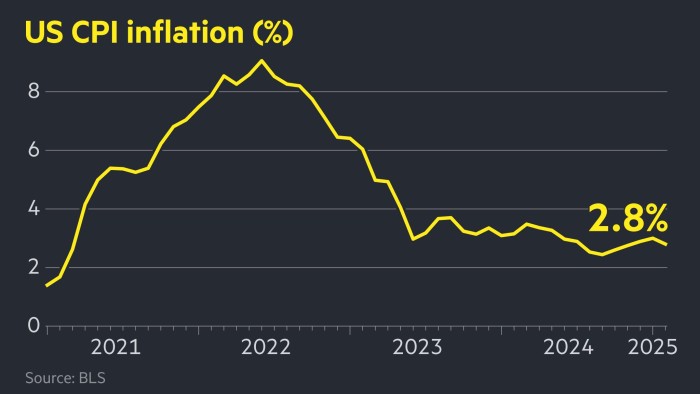
Unexpected Drop: US Inflation Plummets to 2.8% in February
In a surprising turn of events, US inflation rates have decreased significantly to 2.8% in February, surpassing economists’ expectations. This unexpected drop raises important questions regarding the broader economic landscape, consumer behavior, and the potential implications for policymakers. As we delve into this recent development, it’s essential to explore the factors behind this decline and what it may mean for the future.
Understanding the Current Inflation Rate
Inflation is a critical economic indicator that measures the rate at which the general level of prices for goods and services is rising. A lower inflation rate, such as the recent 2.8%, can reflect various economic dynamics. For instance, it may indicate a cooling of demand, improvements in supply chain issues, or shifts in consumer spending habits.
To put this figure into perspective, the inflation rate had previously been much higher, with many economists predicting a continued rise due to lingering effects from the global pandemic and geopolitical tensions. The sudden decline to 2.8% has left many analysts pondering its implications.
Factors Contributing to the Drop in Inflation
Several factors may have contributed to this unexpected drop in inflation:
- Supply Chain Improvements: Over the past year, supply chain disruptions have gradually improved. As manufacturers ramp up production and shipping delays are resolved, the prices of goods have stabilized.
- Consumer Demand Adjustments: After a period of heightened consumer spending, there is evidence that demand has softened. This shift could be due to increased prices leading consumers to adjust their spending habits, opting for more affordable options or delaying purchases.
- Energy Prices: A significant contributor to inflation has been the energy sector. Recent declines in oil and gas prices can lead to lower transportation and manufacturing costs, ultimately easing the overall price pressures on consumers.
- Interest Rates and Monetary Policy: The Federal Reserve’s policy adjustments, including interest rate hikes, seem to have started taking effect. Higher interest rates typically cool off spending and borrowing, which can help to lower inflation.
Impact on Consumers and Households
The decline to 2.8% could have several positive implications for consumers:
- Increased Purchasing Power: A lower inflation rate means that consumers may find their dollars stretch further. This is particularly beneficial for households that have been struggling with rising costs in recent years.
- Stability in Prices: With inflation rates stabilizing, consumers can plan their budgets with greater confidence, reducing the anxiety associated with fluctuating prices.
- Potential for Wage Growth: If inflation continues to stay low, employers may feel more comfortable raising wages, which can further boost consumer spending and economic growth.
Economic Outlook: What Lies Ahead?
While the drop in inflation to 2.8% is encouraging, it’s crucial to consider the potential challenges that lie ahead. Here are some important aspects to keep in mind:
- Global Economic Factors: Global events, such as conflicts or economic slowdowns in other countries, can impact the US market. Any disruptions may lead to renewed inflationary pressures.
- Consumer Sentiment: The overall mood of consumers plays a significant role in economic recovery. If consumers remain cautious, it could dampen spending and hinder economic growth.
- Policy Responses: How policymakers respond to this drop will significantly influence future economic conditions. The Federal Reserve must carefully balance interest rates to maintain this positive trend without stifling growth.
Implications for Policymakers
For policymakers, the 2.8% inflation rate presents both opportunities and challenges. Here are some considerations:
- Policy Adjustments: The Federal Reserve may consider adjusting its monetary policy based on this new data. A continued low inflation rate could lead to more accommodative policies, potentially supporting economic growth.
- Focus on Employment: Policymakers should also keep an eye on employment data. A healthy job market will be essential for sustaining consumer confidence and spending.
- Long-Term Strategies: Investing in infrastructure and technology could help address supply chain issues in the long run, ensuring that the economy remains resilient against future shocks.
How Can Consumers Prepare?
As consumers navigate this new economic landscape, here are a few practical tips to consider:
- Budget Wisely: Take the time to reassess your budget in light of changing prices. Look for areas where you can save more or invest in essential items.
- Stay Informed: Keep abreast of economic news and trends. Understanding the market can help you make informed decisions about spending and saving.
- Invest in Skills: Consider enhancing your skills or education to improve job security and earning potential as the economy evolves.
Conclusion: A New Chapter in the Economic Narrative
The unexpected drop in US inflation to 2.8% in February marks a significant moment in the economic narrative. While the decline brings a sense of relief to consumers and offers opportunities for policymakers, it also highlights the need for vigilance and adaptability in an ever-changing economic landscape. As we look ahead, the focus will be on maintaining this trajectory while addressing underlying challenges that may arise.
In summary, the recent inflation drop is more than just a statistic; it’s a reflection of evolving consumer dynamics, economic policies, and global influences. By staying informed and adaptable, consumers and policymakers alike can navigate the complexities of this new economic chapter.
See more CCTV News Daily