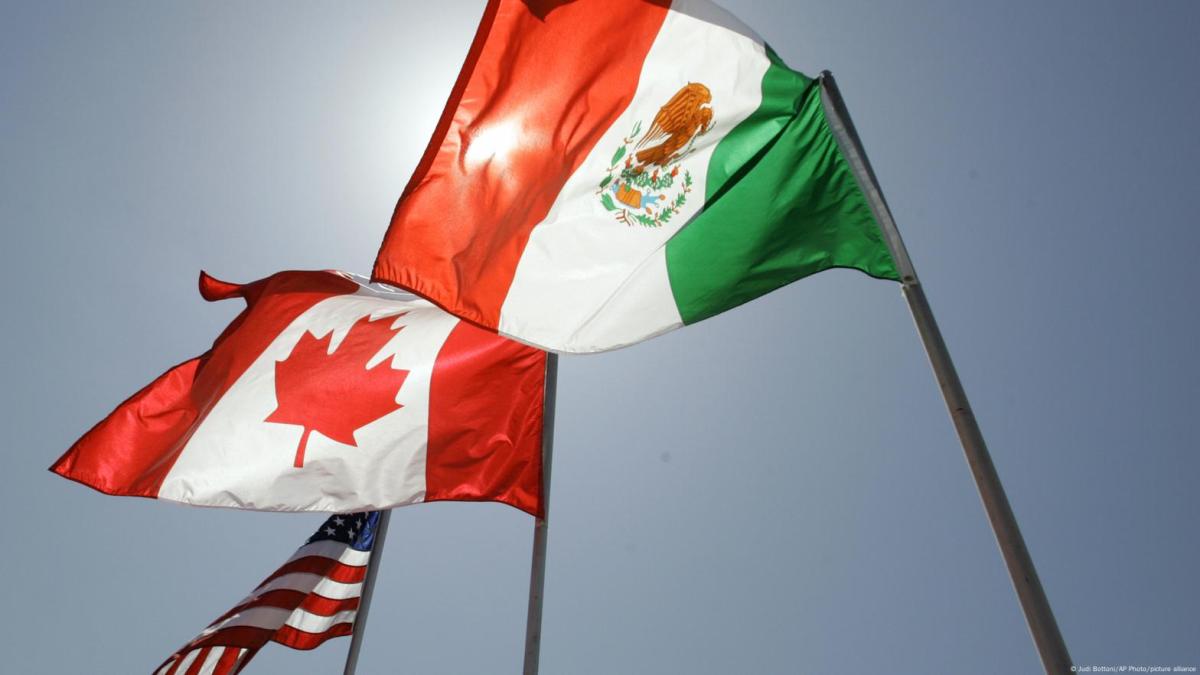
U.S. Extends Tariff Suspension on Mexico and Canada: Key Implications
In a significant trade policy decision, the United States announced on [insert date] the extension of suspended tariffs on imports from Mexico and Canada, reinforcing economic ties within North America. The move, which avoids reinstating duties on steel, aluminum, and other goods, aims to stabilize regional supply chains amid global economic uncertainty. Officials cite strengthened USMCA compliance as a driving factor.
Behind the Decision: Trade Diplomacy and Economic Strategy
The Biden administration’s extension follows months of negotiations with both nations, originally triggered by 2018 Section 232 national security tariffs. Data from the International Trade Commission shows North American trade flows rebounded 18% since the initial 2021 suspension, with trilateral trade now exceeding $1.5 trillion annually.
“This extension signals a pragmatic approach to regional competitiveness,” said Dr. Elena Marquez, trade policy fellow at the Brookings Institution. “With China and the EU accelerating their trade pacts, maintaining frictionless North American trade becomes strategically imperative.”
However, some industry groups express concern. The Alliance for American Manufacturing warns: “While we support strong partnerships, permanent tariff removal could disadvantage domestic producers facing unfair competition.” Their 2023 report claims Mexican steel exports to the U.S. surged 32% since the suspension.
Economic Ripple Effects Across Industries
The decision particularly impacts:
- Automotive sector: 75% of North American auto trade relies on tariff-free parts movement
- Energy infrastructure: Aluminum imports critical for renewable energy projects
- Agriculture: Mexico remains the top destination for U.S. corn and dairy exports
Recent Department of Commerce figures reveal the tariff suspension saved U.S. manufacturers approximately $15 billion in input costs over two years. Conversely, Canadian officials highlight how maintained access to the U.S. market preserves 2.1 million jobs tied to exports.
Political Reactions and Bilateral Considerations
While Canadian Prime Minister Justin Trudeau called the move “a win for workers across borders,” Mexican President Andrés Manuel López Obrador tied continued cooperation to U.S. investment in southern Mexico’s development. The three nations face looming deadlines on:
- USMCA auto rules of origin requirements (2025 review)
- Digital trade provisions needing alignment
- Pending disputes over energy and agriculture policies
Trade attorney Mark Richardson notes: “This extension buys time for more comprehensive negotiations. The real test comes when parties address tougher issues like labor enforcement and environmental standards.”
What Comes Next for North American Trade Relations?
Analysts identify three likely scenarios moving forward:
1. Path to Permanent Tariff Elimination
Should the USMCA partners demonstrate sufficient progress on contentious issues, the suspension could evolve into permanent removal. The Peterson Institute estimates this could boost regional GDP by 0.4% annually.
2. Sector-Specific Adjustments
Certain industries may face revised rules rather than blanket policies. The solar panel sector, for instance, seeks separate treatment given global oversupply concerns.
3. Snapback Provisions Triggering Future Disputes
The agreement includes clauses allowing rapid tariff reinstatement if import surges occur. Monitoring mechanisms will prove crucial to prevent destabilizing retaliatory measures.
Expert Outlook on Long-Term Impacts
“North America’s economic integration is entering a new phase,” observes Georgetown University trade professor Alicia Henderson. “The extension reflects recognition that supply chain resilience outweighs protectionist impulses in today’s fragmented global economy.”
As the situation develops, businesses should:
- Review cross-border procurement strategies
- Monitor USMCA working group announcements
- Engage with customs brokers on compliance updates
For ongoing coverage of North American trade policy developments, subscribe to our industry newsletter for expert analysis and real-time updates.
See more CCTV News Daily