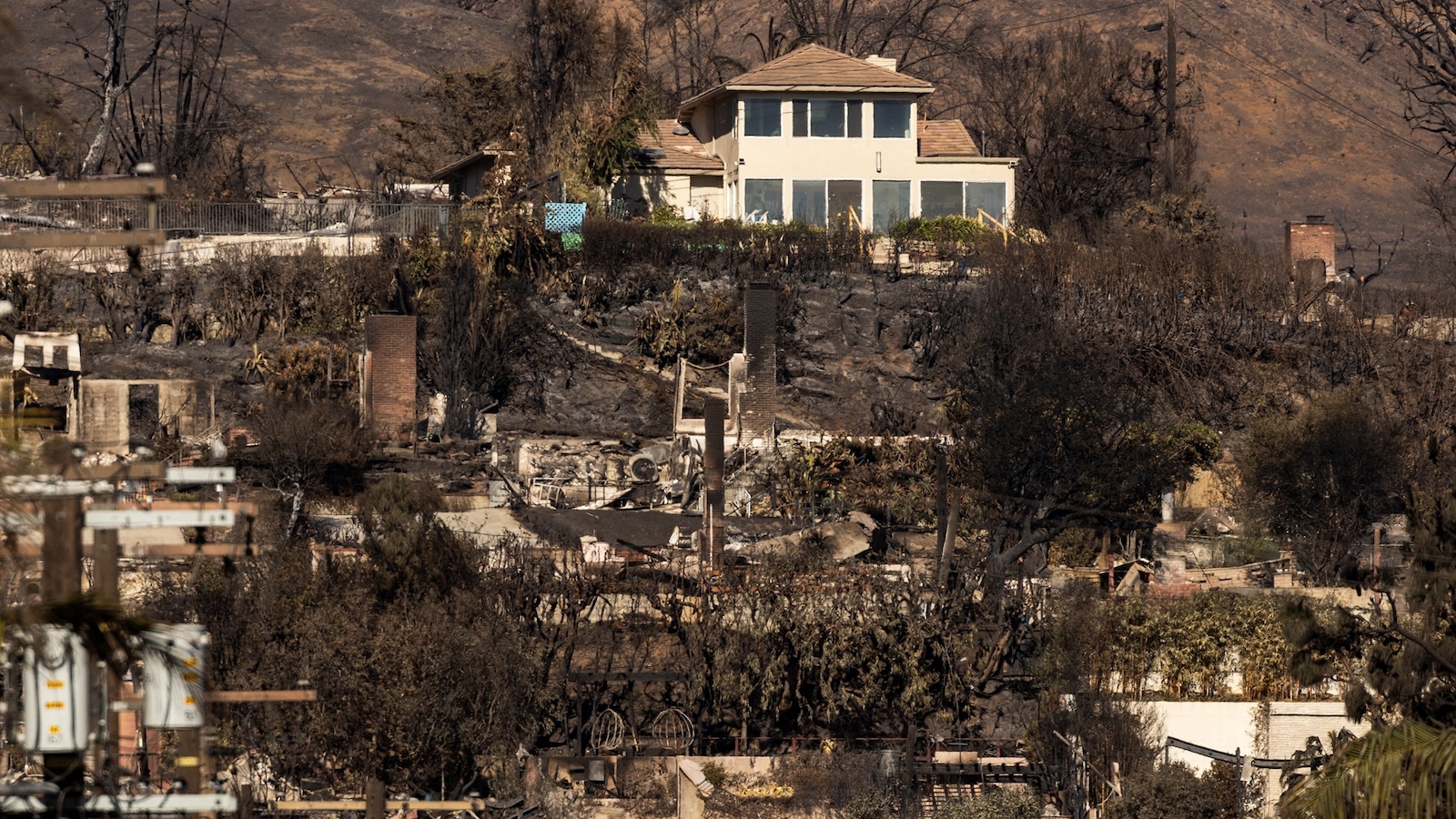
Wildfires in LA: A Catalyst for Soaring Rental Prices
The recent wildfires in Los Angeles have wreaked havoc on both the environment and the housing market, acting as a catalyst for soaring rental prices. As communities grapple with the aftermath of these natural disasters, the demand for housing has surged, pushing rental prices to unprecedented levels. In this article, we delve into the implications of the wildfires on the rental market, examine the factors driving this price surge, and discuss the urgent actions needed to address the housing crisis exacerbated by these catastrophic events.
The Impact of Wildfires on Los Angeles
Wildfires are not a new phenomenon in California, but their frequency and intensity have escalated in recent years, largely attributed to climate change and urban expansion. The wildfires in Los Angeles have destroyed thousands of homes, displacing residents and leaving many seeking alternative housing solutions. This sudden demand for rental properties has led to a significant spike in prices, creating a challenging environment for those affected.
Understanding the Surge in Rental Prices
As the demand for housing increases due to displacement, rental prices have soared in several key ways:
- Increased Demand: With many homes rendered uninhabitable, displaced residents are forced to seek alternative accommodations. This influx of individuals and families into the rental market leads to heightened competition for available properties.
- Supply Constraints: The destruction of homes limits the number of available rentals. This scarcity drives prices up, as potential tenants are willing to pay more for a place to live.
- Reconstruction Delays: The rebuilding process for destroyed homes can take months or even years. As homeowners wait for repairs or new construction, they often turn to rentals, further straining the market.
The Ripple Effect on Rental Listings
Rental listing platforms are feeling the pressure of this evolving market landscape. As the demand surges, these platforms must adapt quickly to meet the needs of both landlords and tenants. Some of the changes being observed include:
- Dynamic Pricing Models: Many rental platforms are implementing dynamic pricing strategies to adjust rates based on real-time demand. This means that prices can fluctuate significantly, often increasing on a daily basis.
- Short-term Rentals Flourishing: With long-term rentals becoming harder to find, many property owners are converting their homes into short-term rentals, capitalizing on the influx of people needing temporary housing.
- Enhanced Search Filters: Rental platforms are adding filters to help users find properties within their budget and desired location more efficiently, given the competitive nature of the market.
Consequences for Renters
The soaring rental prices in the aftermath of the wildfires have dire consequences for renters. Many families are finding it increasingly difficult to secure affordable housing. Some of the challenges include:
- Increased Financial Strain: With rental prices spiking, many families are forced to allocate a larger portion of their income to housing, leaving less for other essential expenses.
- Potential for Homelessness: For those unable to find affordable housing, the risk of homelessness rises significantly, particularly for low-income individuals and families.
- Displacement from Communities: As some renters can no longer afford to live in their neighborhoods, they may be forced to relocate far from their jobs, schools, and support networks.
Urgent Action is Required
Addressing the challenges posed by the rental market’s response to the wildfires requires urgent action from various stakeholders:
- Government Intervention: Local governments must step in to provide assistance, such as rental subsidies or housing grants, to help displaced residents afford housing during this crisis.
- Incentivizing Long-term Rentals: Policymakers could introduce incentives for landlords to maintain long-term rental properties, ensuring that housing remains accessible and affordable.
- Support for Rebuilding Efforts: Streamlined processes for rebuilding homes, including expedited permits and financial assistance, can help restore housing stock more quickly.
Community Resilience and Recovery
Despite the challenges posed by the wildfires and the subsequent rental price surge, there are opportunities for community resilience and recovery. Residents are coming together to support one another, sharing resources and information. Community organizations are stepping up to provide aid, helping those affected to navigate the housing market and find temporary solutions.
Furthermore, the wildfires have sparked discussions about sustainable development and fire-resistant building practices. As the community rebuilds, there is a growing awareness of the need for improved infrastructure and housing designs that can better withstand future wildfires.
Looking Ahead: A Path Toward Stability
While the current rental market in Los Angeles is fraught with challenges, there is hope for stabilization in the future. By prioritizing affordable housing initiatives, investing in community support systems, and encouraging responsible development practices, Los Angeles can emerge stronger from this crisis.
Ultimately, the wildfires in LA have served as a critical reminder of the vulnerability of communities in the face of natural disasters. As we work toward recovery, it is essential to ensure that housing remains a priority, fostering a resilient and inclusive environment for all residents.
In conclusion, the wildfires have not only reshaped the landscape of Los Angeles but have also catalyzed a significant shift in the rental market. The response to this crisis must be swift and comprehensive, ensuring that those affected have access to the housing they need while also laying the groundwork for a more resilient future.
See more CCTV News Daily