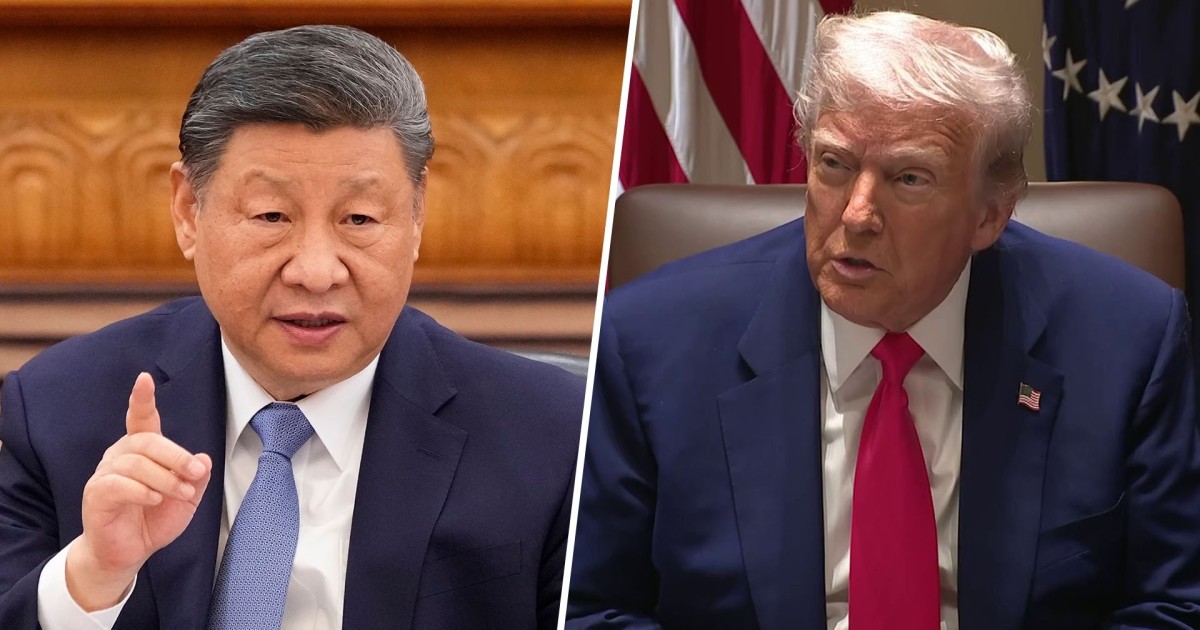
Xi Jinping’s Cautionary Message to Trump: The High Stakes of Tariff Wars
In a high-stakes diplomatic exchange, Chinese President Xi Jinping has warned former U.S. President Donald Trump that escalating tariff wars create mutual economic damage, with no true winners. The message, delivered through backchannel communications in recent weeks, comes as global markets brace for potential renewed trade tensions should Trump return to office. Analysts suggest this dialogue reflects growing concerns about the destabilizing effects of protectionist policies on international supply chains and inflation rates worldwide.
The Economic Fallout of Trade Wars
Historical data underscores Xi’s warning. The 2018-2020 U.S.-China trade war resulted in:
- $550 billion in reciprocal tariffs imposed
- U.S. GDP losses totaling 0.5% ($130 billion) by 2020
- Chinese export declines of 25% to the U.S. market
- Global trade growth slowing to just 0.5% in 2019
“Trade wars are like shooting yourself in the foot while aiming at your neighbor,” remarked Dr. Evelyn Chen, senior fellow at the Peterson Institute for International Economics. “Our research shows American consumers bore 92% of tariff costs through higher prices, contrary to the intended protectionist benefits.”
Geopolitical Tensions Beneath the Surface
The economic warnings carry significant geopolitical weight. China currently holds $850 billion in U.S. Treasury securities, while bilateral trade reached $575 billion in 2023. This interdependence creates what analysts call a “balance of financial terror” – where economic conflict risks triggering broader instability.
Former State Department official Mark Williams observes: “Xi’s message isn’t just about tariffs. It’s a strategic signal that China won’t passively absorb economic punishment. The 2024 election could determine whether we see calibrated competition or full-blown economic decoupling.”
How Tariff Wars Reshape Global Supply Chains
The 2018-2020 conflict accelerated supply chain diversification, with:
- 15% of U.S. imports shifting from China to Vietnam, Mexico, and India
- Chinese manufacturing investment in Southeast Asia growing 47%
- U.S. semiconductor reshoring efforts costing $52 billion to date
However, these transitions came at significant cost. The Boston Consulting Group estimates global corporations spent $1 trillion on supply chain restructuring since 2018, expenses ultimately passed to consumers through 3-5% higher durable goods prices.
Domestic Political Calculations
Trump’s tariff threats resonate with key voter blocs. A recent Pew Research poll shows:
- 62% of Republicans support tougher trade policies toward China
- Manufacturing states like Pennsylvania and Ohio show 58% approval for protective tariffs
- Union households favor China trade restrictions by a 3-to-1 margin
Yet economists warn campaign rhetoric often clashes with economic reality. “The Rust Belt gained just 12,000 steel jobs post-tariffs,” notes labor economist David Ruiz. “Meanwhile, tariff-related farm bailouts cost taxpayers $28 billion, and manufacturing never returned to 2000 employment levels.”
The Path Forward: Negotiation or Escalation?
Experts identify three potential scenarios:
- Limited De-escalation: Targeted tariff reductions on consumer goods paired with tech export controls
- Managed Competition: Sector-specific agreements (e.g., clean energy) with continued rivalry elsewhere
- Full Confrontation: Across-the-board tariff hikes triggering Chinese countermeasures
The International Monetary Fund projects Scenario 3 could shrink global GDP by 1.3% annually, with emerging markets suffering most. Meanwhile, the U.S. Chamber of Commerce warns renewed trade wars might:
- Cost 732,000 American jobs in the first year
- Add 2.4% to baseline inflation
- Reduce S&P 500 earnings by 11%
Diplomatic Channels Remain Open
Behind the public posturing, working-level talks continue. The U.S.-China Trade Policy Working Group has met quarterly since 2021, achieving small but meaningful progress on issues like:
- Agricultural purchase agreements
- Pharmaceutical tariff exemptions
- Aviation safety certifications
As Treasury Secretary Janet Yellen recently stated: “We seek healthy economic competition, not winner-take-all confrontation. The world’s two largest economies have both shared and competing interests that require careful management.”
What Comes Next in U.S.-China Trade Relations?
The 2024 U.S. election looms as a potential inflection point. Chinese officials have reportedly prepared contingency plans for both possible outcomes:
- Biden Continuity: Expect targeted tech restrictions but tariff stability
- Trump Return: Brace for immediate 60% tariffs on $300 billion in imports
Global businesses face difficult preparations. Multinational corporations are:
- Increasing inventory buffers by 18-22%
- Diversifying production across 3+ countries
- Hedging currency risks through forward contracts
As the situation develops, stakeholders should monitor key indicators including:
- Monthly U.S. import price indices
- Chinese rare earth export volumes
- Semiconductor equipment order patterns
The coming months will test whether economic pragmatism can prevail over political posturing. For businesses and policymakers alike, the time to scenario-plan is now. Subscribe to our trade policy newsletter for ongoing analysis of this evolving situation.
See more CCTV News Daily