America’s Egg Supply Surge: What It Means for Your Wallet
The egg market in the United States has been on a wild roller coaster ride, with prices soaring to unprecedented heights in recent months. As consumers have felt the pinch in their wallets, the U.S. has also seen a remarkable surge in egg supply from various sources. This influx, while promising relief from high prices, raises critical questions about the implications for consumers and the poultry industry alike. In this article, we’ll delve into the dynamics of America’s egg supply surge, its impact on consumer prices, and what it means for the future of poultry farming.
The Current State of Egg Prices
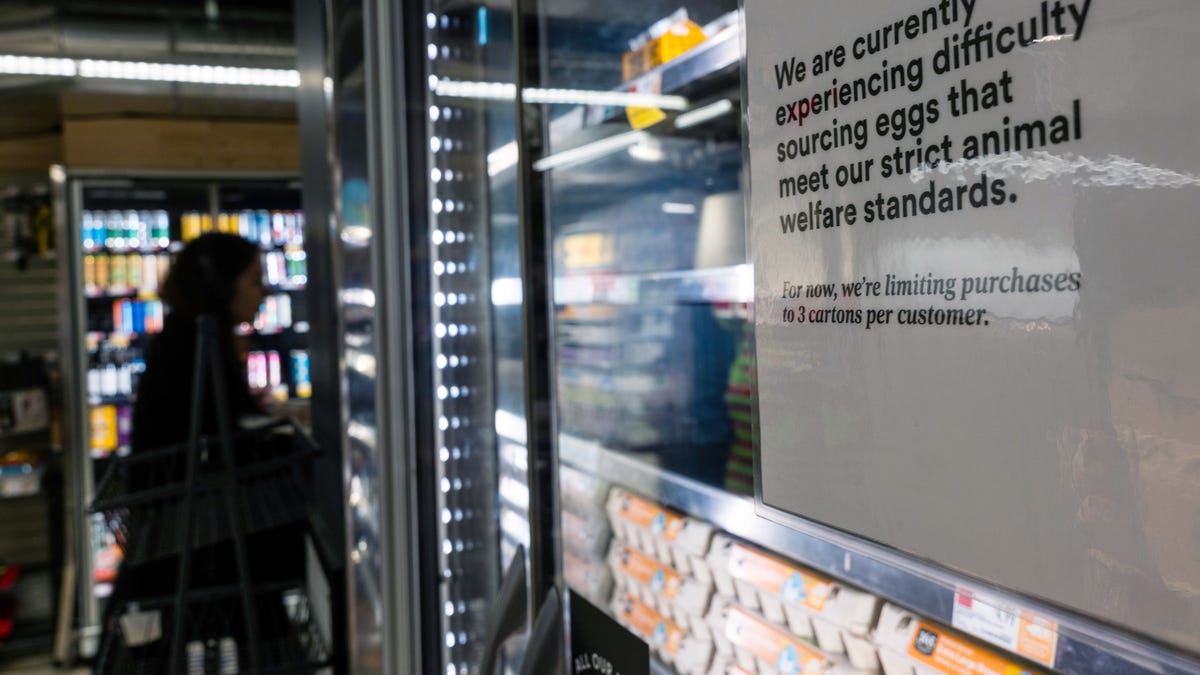
To understand America’s egg supply surge, it’s essential to first examine the current state of egg prices. Over the past year, egg prices have skyrocketed, attributed to several factors including avian influenza outbreaks, rising feed costs, and supply chain disruptions. At one point, consumers faced prices of over $5 for a dozen eggs, a stark contrast to pre-pandemic prices which hovered around $1 to $2.
However, recent trends indicate that egg prices are beginning to stabilize, largely due to the influx of eggs from various sources, including domestic farms ramping up production and importing eggs from international markets. This surge is crucial for restoring balance to the market and alleviating financial strain on consumers who rely on eggs as a staple food item.
Factors Behind the Egg Supply Surge
Several factors contribute to the current egg supply surge in America:
- Increased Production: Many domestic poultry farms have increased their production levels as they recover from previous losses due to avian influenza. Farmers have implemented better biosecurity measures and invested in more resilient flock management practices.
- Imports: The U.S. has started to import eggs from countries such as Mexico and Canada, where production costs remain lower. This influx adds competitive pricing pressure to the domestic market.
- Consumer Demand Shifts: As consumers adapt to economic changes, there’s been a noticeable shift towards buying in bulk and opting for alternative egg products, such as liquid eggs and egg substitutes, which can indirectly influence overall demand.
What This Means for Your Wallet
The surge in egg supply is a welcome development for consumers who have been grappling with high prices. Here’s how this change could positively impact your finances:
- Lower Prices: With the increase in supply, prices are projected to decrease, making eggs more affordable. Analysts suggest that consumers could see prices return to more typical levels by the end of the year.
- Increased Availability: A larger supply means that eggs will be more widely available in grocery stores, reducing the chances of stock shortages that have plagued markets in the past.
- Diversified Egg Products: The influx of imported eggs and increased domestic production may lead to a wider variety of egg products on store shelves, catering to different dietary preferences and needs.
The Poultry Industry’s Response
The poultry industry has been quick to respond to the changing dynamics of egg supply and consumer demand. Here are some of the strategies being employed:
- Investment in Technology: Farmers are adopting new technologies to enhance production efficiency and flock health, ensuring that they can meet consumer demand without compromising quality.
- Regulatory Adjustments: The USDA and other regulatory bodies are working with farmers to streamline the import process for eggs, making it easier for essential egg supplies to reach the U.S. market.
- Consumer Education: Industry stakeholders are investing in consumer education campaigns to inform the public about the benefits of different egg products and the importance of supporting local farmers.
Long-Term Implications for the Egg Market
While the immediate effects of the egg supply surge are beneficial, it’s essential to consider the long-term implications for both consumers and the poultry industry:
- Sustainability Practices: As the demand for eggs increases, there’s a growing focus on sustainable farming practices. Consumers are becoming more savvy about the sources of their food, prompting farms to adopt more ethical and environmentally friendly production methods.
- Market Volatility: Although prices may stabilize in the short term, the egg market remains susceptible to fluctuations due to disease outbreaks, feed costs, and geopolitical factors. This volatility can affect long-term pricing and supply stability.
- Consumer Preferences: The surge may also lead to a lasting change in consumer preferences, with more individuals opting for organic and cage-free eggs, which could influence production practices across the industry.
Conclusion
America’s egg supply surge represents a significant turning point for both consumers and the poultry industry. As prices begin to stabilize and the market adjusts to the influx of supply, consumers can look forward to more affordable options at the grocery store. However, it’s essential to remain vigilant about the long-term implications of these changes. By supporting sustainable practices and staying informed about market dynamics, consumers can contribute to a healthier and more resilient food system.
In a world where food prices can be unpredictable, this surge in egg supply is a beacon of hope for many households across the nation. It’s a reminder that even in challenging times, adaptation and innovation can lead to positive outcomes for everyone involved.
See more CCTV News Daily