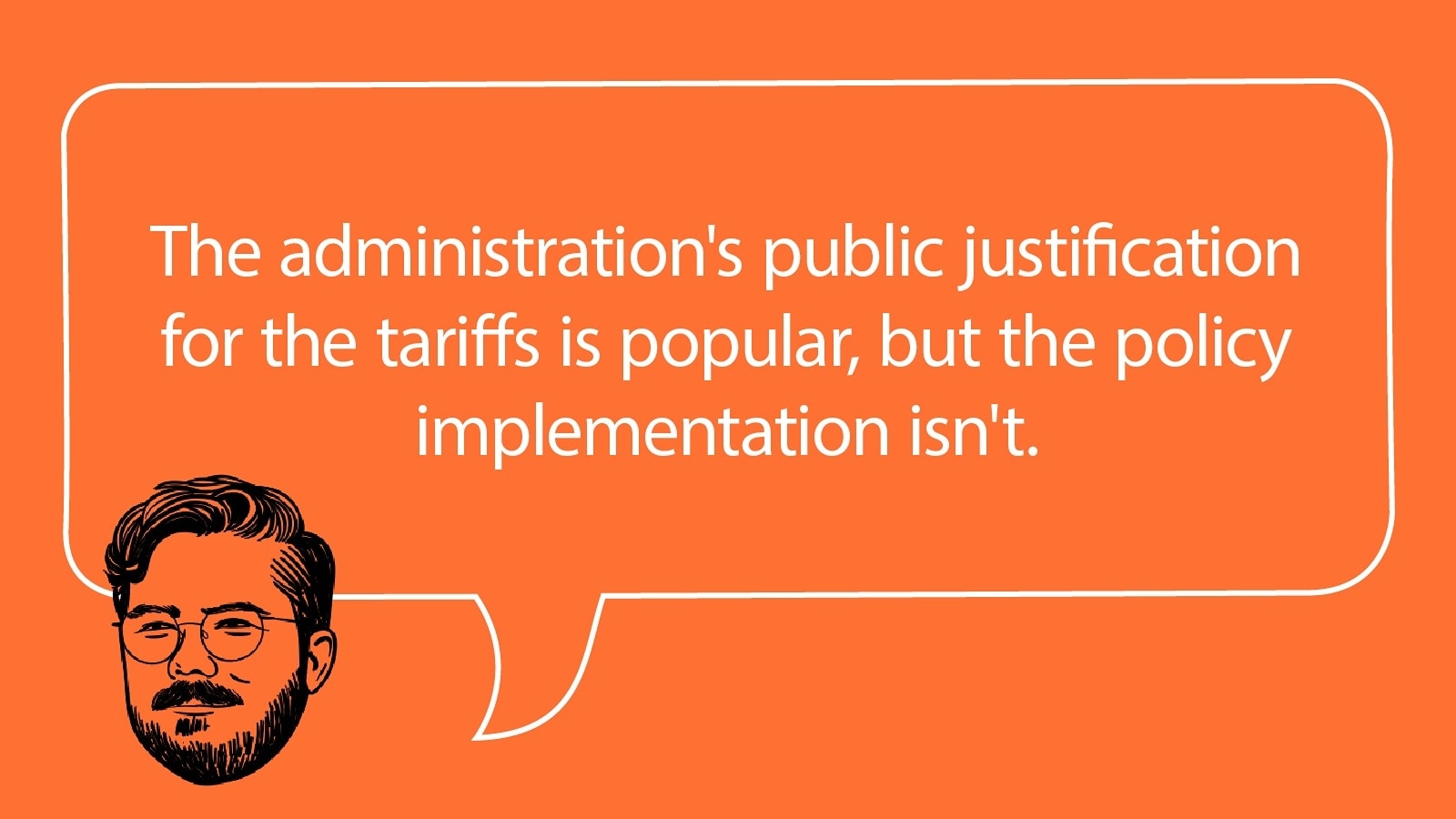
Unpacking American Perspectives on Trump’s Tariffs: A National Survey
The imposition of tariffs by former President Donald Trump has sparked significant debate across the United States. A recent national survey sheds light on how Americans perceive these tariffs, revealing a tapestry of opinions that reflect regional differences and economic implications. In this article, we will explore the survey findings, delve into the factors driving public sentiment, and examine how these perspectives influence the political landscape of the nation.
The Survey: Overview and Key Findings
The national survey, conducted by a reputable polling organization, aimed to gauge American opinions on Trump’s tariffs, which were primarily aimed at China but also affected other countries. The survey encompassed diverse demographics, including age, gender, income levels, and geographic regions. Here are some of the key findings:
- Overall Support and Opposition: Approximately 45% of respondents supported Trump’s tariffs, citing job protection and national security as primary reasons. Conversely, about 35% opposed the tariffs, expressing concerns over rising consumer prices and retaliatory measures from trading partners.
- Regional Variations: Support for tariffs was notably higher in the Midwest and South, where manufacturing jobs are prominent, while opposition was more pronounced in coastal regions, particularly in the Northeast and West, where economies are more service-oriented.
- Economic Impact Awareness: A significant portion of respondents (around 60%) acknowledged that tariffs could lead to higher prices for everyday goods. However, many still believed that the long-term benefits of protecting American jobs outweighed these immediate concerns.
Regional Perspectives on Trump’s Tariffs
Understanding the regional nuances in American perspectives on Trump’s tariffs is crucial for a comprehensive analysis. The economic realities of different areas contribute significantly to how residents view trade policies.
Midwest: A Manufacturing Heartland
In states like Michigan, Ohio, and Wisconsin, where manufacturing is a cornerstone of the economy, support for Trump’s tariffs is robust. The survey revealed that many Midwestern respondents feel that tariffs are necessary to protect local jobs from foreign competition. In these regions, industries like steel and automotive manufacturing have historically faced challenges from cheaper imports.
Coastal Regions: A Different Story
Conversely, respondents from coastal states such as California and New York showed greater skepticism towards tariffs. These areas often benefit from global trade and have economies heavily reliant on technology and services. Many coastal residents expressed concerns that tariffs could disrupt supply chains, increase costs for consumers, and ultimately harm economic growth.
The Economic Implications of Trump’s Tariffs
The economic implications of Trump’s tariffs are multifaceted and have far-reaching consequences. Here are some critical aspects:
- Job Protection vs. Job Loss: While tariffs have been touted as a means to protect American jobs, they can also lead to job losses in industries reliant on imported materials. For example, tariffs on steel and aluminum have raised costs for manufacturers, potentially leading to layoffs in sectors like construction and automotive.
- Inflationary Pressures: Many economists warn that tariffs contribute to inflation by raising the cost of goods. The survey found that 60% of respondents were aware of this risk, highlighting a growing concern among the public about the affordability of everyday items.
- Retaliatory Tariffs: Trump’s tariffs have prompted retaliatory measures from countries like China, affecting American farmers and exporters. Respondents from agricultural states expressed frustration over lost markets and reduced demand for their products.
Public Sentiment: What Drives It?
Several factors contribute to the diverse opinions of Americans regarding Trump’s tariffs:
Economic Security
For many Americans, economic security is paramount. Individuals in industries facing direct competition from foreign markets often support tariffs as a protective measure. This sentiment is particularly strong among workers in manufacturing, who fear job losses due to outsourcing and globalization.
National Pride and Sovereignty
The notion of national pride also plays a crucial role in shaping opinions on tariffs. Many supporters view tariffs as a way to assert American sovereignty and push back against what they perceive as unfair trading practices by other nations, particularly China.
Media Influence and Misinformation
The media landscape significantly impacts public opinion on tariffs. Misinformation and varying narratives from different news outlets can skew perceptions. For instance, conservative media often highlight the benefits of tariffs, while liberal outlets may focus on the negative economic consequences.
The divide in public opinion on Trump’s tariffs has implications for the political landscape. As the nation heads into future elections, candidates will need to navigate these complexities. Here are some potential consequences:
- Party Lines: The issue of tariffs has the potential to deepen divisions between Democrats and Republicans. While many Republicans support protectionist measures, Democrats often advocate for free trade, creating a clear dichotomy that could influence voter behavior.
- Voter Mobilization: Candidates who can effectively address the concerns of constituents regarding tariffs and trade policies may galvanize support. This is particularly true in battleground states where manufacturing jobs are at stake.
- Long-Term Economic Strategy: The ongoing debate over tariffs will likely prompt discussions about the future of American trade policy. Candidates advocating for a balanced approach that considers both protectionism and free trade may resonate with a broader audience.
Conclusion: A Complex Economic Tapestry
In conclusion, the survey on American perspectives regarding Trump’s tariffs reveals a complex economic tapestry woven from regional differences, economic implications, and individual values. While support for tariffs is significant in certain regions, it is counterbalanced by skepticism in others. As the nation navigates its way through these economic challenges, understanding public sentiment will be crucial for policymakers and political leaders alike. The diverse opinions reflect a broader conversation about the future of trade policy in America, emphasizing the need for a nuanced approach that considers both protectionist sentiments and the realities of a globalized economy.
See more CCTV News Daily