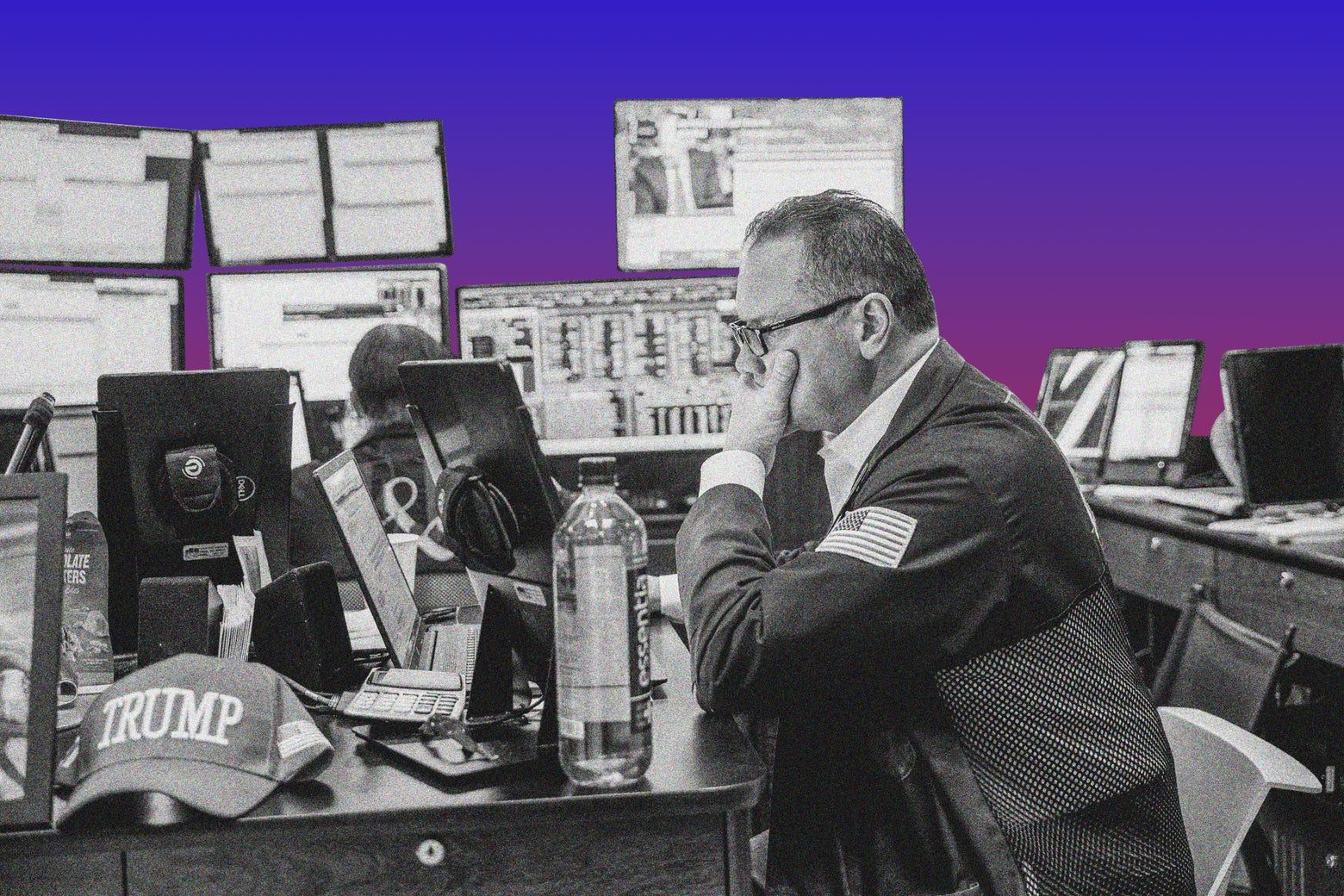
Unleashing the Animal Spirits: An Overview of Trump’s Economic Policies
As America reflects on the tumultuous years of Donald Trump’s presidency, one cannot ignore the profound implications of his economic policies. Central to understanding these implications is the concept of “animal spirits,” a term coined by economist John Maynard Keynes to describe the instincts, proclivities, and emotions that influence human behavior in economic decision-making. This article aims to explore how Trump’s policies invoked these animal spirits, driving both optimism and uncertainty in the American economy.
Defining Animal Spirits in the Economic Context
Animal spirits, in the realm of economics, refer to the emotional factors that contribute to market dynamics. Unlike traditional models that rely heavily on rationality, animal spirits encompass the unpredictable and often irrational behaviors that can lead to economic booms or busts. During Trump’s presidency, these animal spirits were unleashed in various ways, directly affecting consumer confidence, investment behavior, and overall economic growth.
Tax Cuts and Jobs Act: A Catalyst for Investment
One of Trump’s most significant legislative achievements was the Tax Cuts and Jobs Act of 2017. This sweeping reform aimed to reduce corporate tax rates from 35% to 21%, with the intent of stimulating investment and economic growth. By lowering the tax burden on corporations, Trump sought to unleash the animal spirits of business leaders, encouraging them to reinvest in their companies, expand operations, and hire more workers.
- Increased Business Investments: Following the tax cuts, many companies reported an uptick in capital expenditures. Major corporations like Apple and Walmart announced plans to invest billions in new facilities and technologies, reflecting a newfound optimism.
- Wage Growth: The subsequent increase in business activity translated into wage growth for many workers. The average hourly earnings rose as companies competed for a tighter labor market, showcasing the direct impact of unleashed animal spirits.
Regulatory Rollbacks: Fostering a Business-Friendly Environment
Another hallmark of Trump’s economic strategy was the aggressive rollback of regulations across various sectors. The administration argued that excessive regulation stifled economic growth and innovation. By reducing red tape, Trump aimed to foster a climate where animal spirits could flourish, enabling businesses to operate more freely and efficiently.
- Energy Sector Boom: The lifting of restrictions on energy production led to a surge in oil and natural gas extraction, positioning the U.S. as a leading energy producer. This not only created jobs but also instilled a sense of confidence in the energy sector.
- Small Business Growth: Many small businesses reported feeling more empowered to take risks and expand operations due to fewer regulatory hurdles, further driving economic momentum.
Trade Policies: A Double-Edged Sword
Trump’s trade policies, particularly his approach to China, were both a reflection of and a challenge to the animal spirits at play. The imposition of tariffs sparked a fierce debate over protectionism versus free trade, influencing confidence among consumers and investors.
The Tariff Strategy and Its Implications
Trump’s administration implemented tariffs on various goods, aiming to protect American industries from foreign competition. While this strategy was intended to boost domestic manufacturing, it also created uncertainty in the markets, stirring a mix of animal spirits.
- Initial Optimism: In the early stages, many manufacturers anticipated a resurgence in domestic production, leading to increased hiring and investment.
- Subsequent Anxiety: However, as trade tensions escalated, many businesses faced increased costs for imported materials. This uncertainty led to a cautious approach to investment, with some companies delaying expansion plans and hiring.
Consumer Confidence and Spending
Despite the mixed signals from trade policies, consumer confidence remained relatively high during much of Trump’s presidency. The stock market saw significant gains, driven by a surge in animal spirits among investors. This optimism translated into increased consumer spending, which is a vital component of economic growth.
- Retail Sector Growth: As consumers felt more confident about their financial futures, retail spending surged, bolstering the economy. This cycle of spending further fueled business growth and job creation.
- Impact of Social Factors: The emotional sentiments surrounding Trump’s presidency, whether positive or negative, also played a role in shaping consumer behavior. Many consumers identified with the administration’s economic message, driving spending in sectors aligned with those values.
Long-Term Economic Trends: Assessing the Legacy
As we analyze the lasting influence of Trump’s economic policies, it becomes clear that the unleashing of animal spirits had both immediate and long-term effects on the American economy. Key takeaways include:
- Economic Growth: The U.S. experienced notable economic growth during Trump’s tenure, with GDP growth rates often exceeding expectations.
- Labor Market Dynamics: The labor market tightened, leading to wage growth and a decrease in unemployment rates to historically low levels.
- Increased Investment: Corporate investments surged, reflecting a positive response to tax cuts and deregulation.
Conclusion: A Complex Legacy
Reflecting on Donald Trump’s presidency, it’s evident that his economic legacy is complex and multifaceted. The concept of animal spirits played a crucial role in shaping the economic landscape during this time. While tax cuts and deregulation ignited optimism and investment, trade policies introduced a level of uncertainty that tempered some of that enthusiasm. Ultimately, Trump’s presidency demonstrated the powerful interplay between policy, emotion, and economic behavior, leaving a lasting mark on America’s economic narrative.
As we move forward, understanding these dynamics will be essential for policymakers and economists alike, as they seek to harness the positive aspects of animal spirits while mitigating the risks associated with economic volatility. In the end, the true measure of Trump’s economic legacy will depend on how these lessons are applied in the years to come.
See more CCTV News Daily