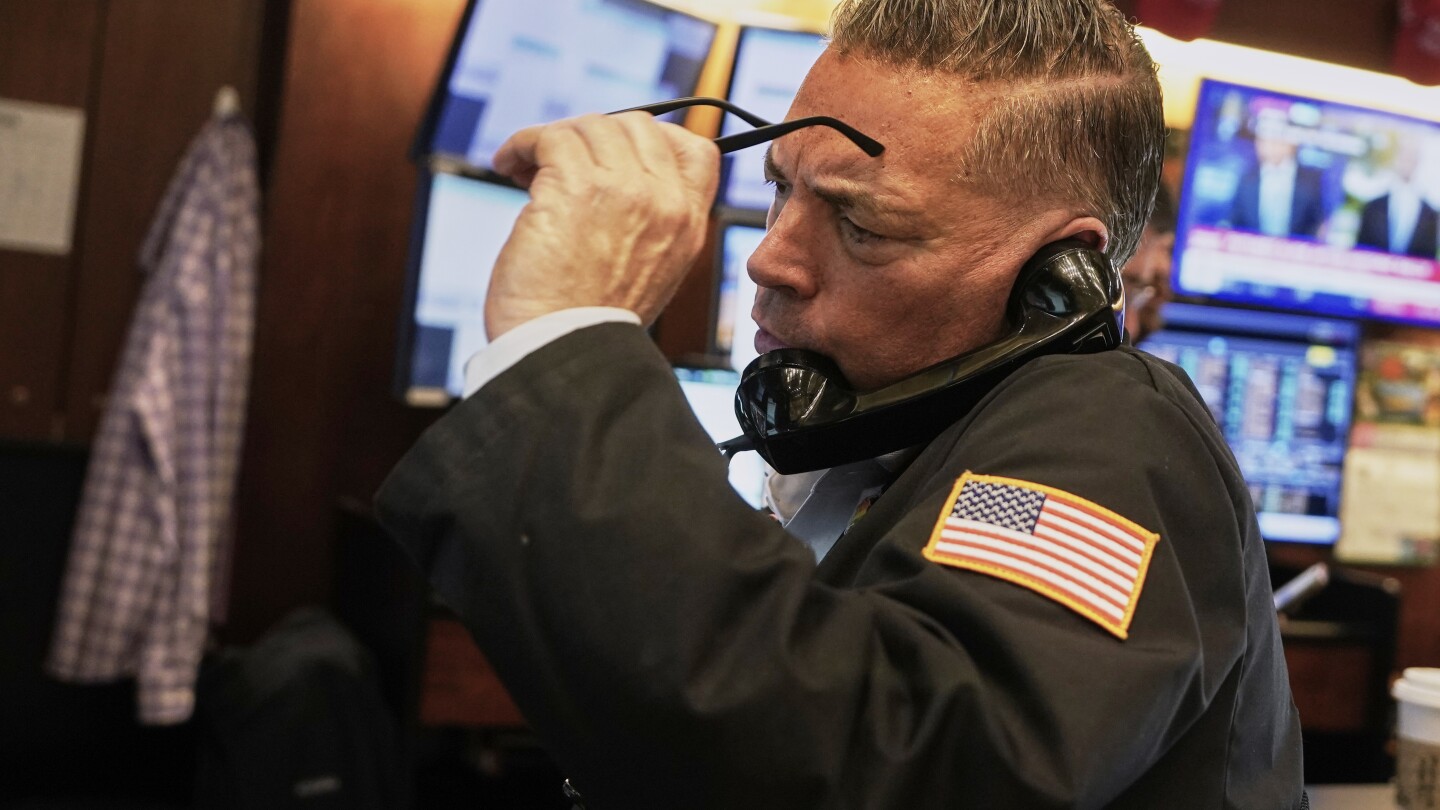
Asian Markets Plummet as Trade Tensions Escalate
Asian markets faced a brutal sell-off on Thursday, with Japan’s Nikkei 225 index plunging 5.6%—its steepest single-day drop since June 2022—as escalating trade tensions between China and the United States rattled investors. The broader MSCI Asia-Pacific index fell 3.1%, while Hong Kong’s Hang Seng and South Korea’s KOSPI slid 4.2% and 3.8%, respectively. Analysts attribute the downturn to fears of retaliatory tariffs, supply chain disruptions, and a potential slowdown in global demand.
Geopolitical Uncertainty Fuels Investor Panic
The latest market turmoil follows Washington’s announcement of sweeping tariffs on $18 billion worth of Chinese imports, including electric vehicles, steel, and semiconductors. Beijing retaliated by imposing restrictions on rare earth exports, a critical component for tech and defense industries. “This isn’t just a trade skirmish—it’s a full-blown economic standoff,” said Dr. Elena Sato, chief economist at Mizuho Securities. “Markets are pricing in prolonged volatility, and liquidity is drying up as investors flee to safe-haven assets.”
Key data highlights the severity of the sell-off:
- Nikkei 225 closed at 36,220, down 2,150 points—the largest point drop since 2020.
- Chinese tech giants Alibaba and Tencent fell 7.3% and 6.9%, respectively.
- The yen strengthened to 148 against the dollar, pressuring Japanese exporters.
Sector-Specific Impacts and Corporate Fallout
Automakers and chip manufacturers bore the brunt of the declines. Toyota shares tumbled 6.8% on concerns over rising input costs, while TSMC, a critical supplier to Apple and Nvidia, dropped 5.1%. “The semiconductor industry is caught in the crossfire,” noted Rajiv Mehta, a Singapore-based analyst at DBS Bank. “With China controlling 60% of rare earth production, further export curbs could paralyze global tech supply chains.”
Meanwhile, tourism and retail stocks also suffered. Japan Airlines slid 4.5% amid canceled business travel bookings, and luxury brand Shiseido fell 8.2% after reporting a 30% drop in Chinese sales. “Consumers are tightening wallets, and corporate earnings revisions will likely worsen,” warned Mehta.
Historical Context: A Repeat of 2018-2019?
The current downturn echoes the 2018-2019 U.S.-China trade war, which shaved 12% off the Nikkei and triggered a global manufacturing recession. However, today’s stakes are higher due to:
- Broader tariffs: New U.S. measures target green energy and AI sectors.
- Currency fluctuations: The yuan hit a six-month low, raising devaluation fears.
- Alliance shifts: Southeast Asian nations face pressure to pick sides.
Dr. Sato cautions, “Unlike 2019, central banks have limited room to cut rates now. Inflation remains sticky, and fiscal tools are exhausted.”
Diverging Views: Opportunistic Buyers vs. Risk-Off Sentiment
While hedge funds like Citadel reportedly increased short positions, some value investors see a buying opportunity. “Quality Asian equities are oversold,” argued David Chen of Matthews Asia. “Companies with strong balance sheets, like Sony and Samsung, could rebound sharply once tensions ease.”
Yet, derivatives markets tell a darker story. The CBOE Volatility Index (VIX) surged 25%, and put options on Asian ETFs hit a record high. “The smart money is hedging for a 10-15% further drop,” said a Nomura trader who requested anonymity.
What’s Next for Asian Markets?
Analysts suggest three potential scenarios:
- De-escalation (20% probability): Backchannel negotiations yield a temporary truce by Q3.
- Status quo (50% probability): Tit-for-tat tariffs continue, keeping markets range-bound.
- Full-blown crisis (30% probability): China blocks U.S. agricultural imports, triggering a Fed intervention.
The Bank of Japan has signaled readiness to stabilize bond markets, but traders doubt its capacity to stem equity outflows. “The only near-term catalyst would be weaker U.S. jobs data, prompting the Fed to pivot,” said Chen.
With no quick resolution in sight, Asian markets face a volatile summer. Investors should monitor U.S. CPI data (due June 12) and China’s Politburo meeting in late July for policy clues. Diversification into gold, Swiss francs, and healthcare stocks may mitigate risks. For real-time updates, subscribe to our crisis alert newsletter.
As the trade war reshapes global alliances, one truth emerges: In today’s interconnected economy, no market falls alone.
See more CCTV News Daily