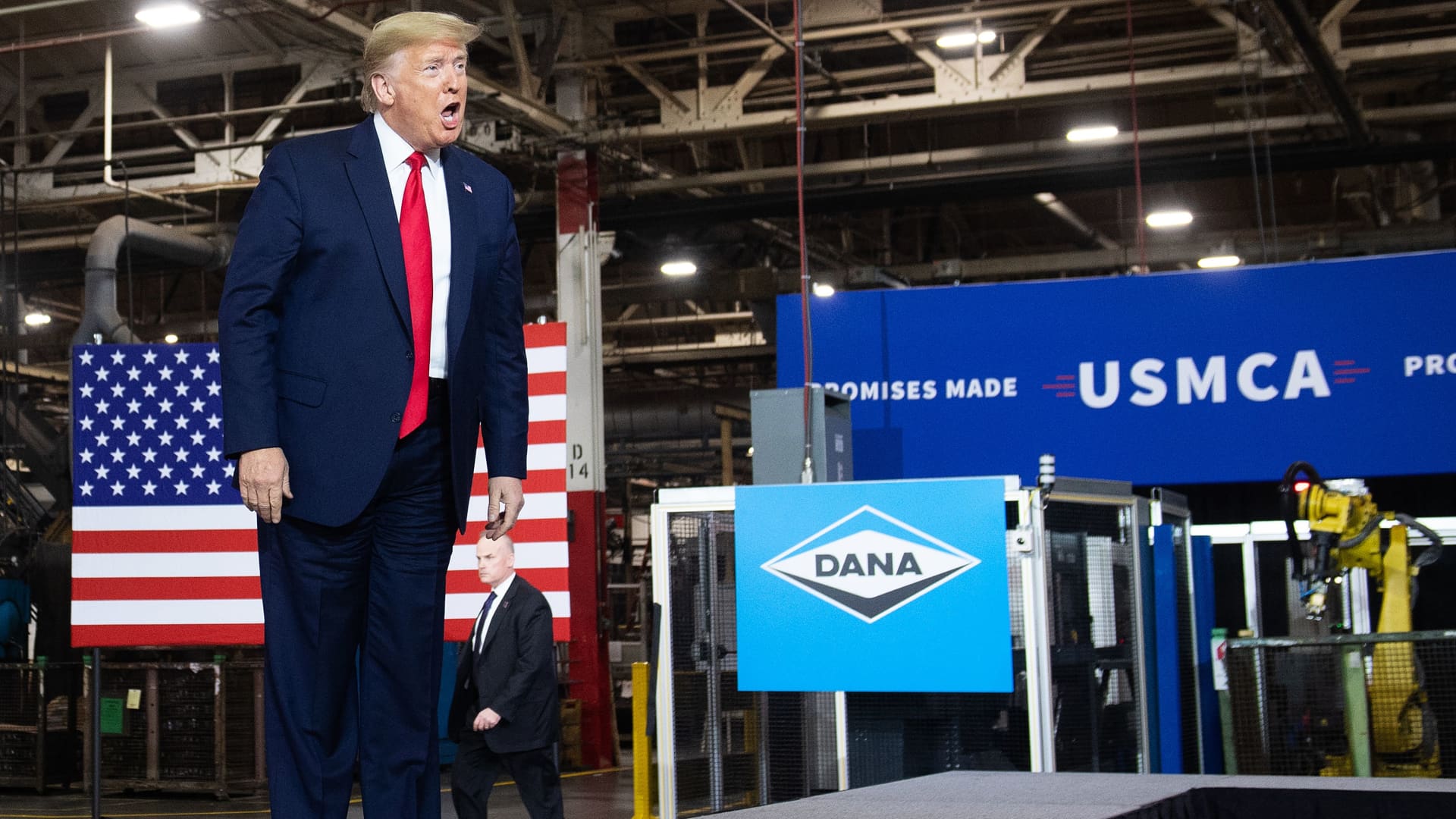
Auto Suppliers in Crisis: Understanding the Impact of Trump Tariffs on the Industry
In recent years, the automotive industry has faced significant upheaval, largely due to tariffs imposed by the Trump administration. While much attention has been paid to the major automobile manufacturers, the real crisis unfolding is among auto suppliers. These companies form the backbone of the automotive supply chain, and their struggles reveal a complex web of economic repercussions. This article delves into the hidden impact of Trump tariffs on auto suppliers, the ripple effects on the broader economy, and what the future might hold.
The Immediate Effects of Tariffs on Auto Suppliers
When tariffs on imported steel and aluminum were introduced, the automotive sector braced for impact. These metals are critical components in vehicle manufacturing, and their price hikes triggered a cascading effect throughout the supply chain. Auto suppliers, often working on thin margins, found themselves grappling with increased costs that they could not simply pass on to their customers without risking their competitive edge.
Rising Costs and Profit Margins
The first and most evident impact of the Trump tariffs was the sharp increase in raw material costs. According to industry reports, some auto suppliers saw their costs for steel and aluminum rise by as much as 25%. This surge in expenses forced many suppliers to make tough decisions:
- Reducing Workforce: To cope with dwindling profit margins, several suppliers laid off workers, impacting thousands of jobs.
- Cutting Production: Some companies reduced their output, which in turn affected their ability to fulfill contracts with major automakers.
- Increasing Prices: A few suppliers attempted to raise prices, but many faced pushback from their clients, leading to a stalemate.
Supply Chain Disruptions
Tariffs did not just affect costs; they also disrupted the delicate balance of the automotive supply chain. Suppliers rely on a network of relationships with manufacturers, and when one piece of that puzzle is thrown off, the entire system can falter. Delays in production and delivery have become commonplace, leading to:
- Production Halts: Automakers had to halt production lines when key components were delayed, leading to lost revenue and increased costs.
- Inventory Shortages: Suppliers struggled to maintain adequate inventory levels, as fluctuating prices made it hard to predict future needs.
- Increased Competition: As some suppliers fell behind, competitors capitalized on their struggles, further consolidating the market.
The Broader Economic Ripple Effects
The challenges faced by auto suppliers due to tariffs extend beyond their immediate financial struggles. The automotive sector is a significant driver of the U.S. economy, employing millions and contributing to GDP. Consequently, the fallout from these tariffs has broader implications.
Impact on Employment
As suppliers encounter financial difficulties, job losses have become a grim reality. The auto industry employs about 10 million people in the United States, and a significant portion of that workforce is directly tied to suppliers. Layoffs and facility closures have not only affected those individuals but have also led to:
- Reduced Consumer Spending: Job losses lead to reduced household incomes, which in turn impacts consumer spending across various sectors.
- Increased Unemployment Rates: Regions heavily reliant on automotive manufacturing have seen spikes in unemployment rates, placing additional strain on local economies.
- Community Decline: Towns built around auto manufacturing have faced declining populations and economic stagnation, leading to long-term consequences.
Impacts on Innovation and Investment
Innovation is crucial in the automotive sector, especially as it shifts toward electric vehicles and autonomous technology. However, the financial strain on suppliers has stifled investment in new technologies. Suppliers are less likely to invest in research and development when they are struggling to stay afloat. This stagnation has two primary implications:
- Slower Technological Advancements: The pace of innovation in electric and autonomous vehicles is likely to slow, impacting the U.S.’s position in the global automotive market.
- Loss of Competitive Edge: As foreign competitors continue to innovate, U.S. suppliers may find it increasingly difficult to compete, further exacerbating their challenges.
As the auto suppliers continue to navigate the turbulent waters brought on by tariffs, the future remains uncertain. However, there are glimmers of hope and potential strategies that can help mitigate the crisis.
Policy Adjustments
One potential avenue for relief is a reevaluation of tariff policies. As the Biden administration explores trade relationships, there may be opportunities to alleviate some of the burdens faced by suppliers. Engaging in dialogues with industry stakeholders can lead to more balanced trade practices that promote growth rather than stifle it.
Investment in Resilience
Suppliers can also focus on building resilience into their operations. By diversifying supply sources and investing in technology that enhances production efficiency, companies can better withstand the shocks of tariffs and market fluctuations. Strategies might include:
- Vertical Integration: Suppliers could consider bringing production processes in-house to reduce dependency on external sources.
- Collaborative Innovation: Forming partnerships with technology firms can lead to shared knowledge and resources, fostering innovation.
Emphasizing Sustainability
As the industry moves toward sustainability, suppliers who invest in green technologies may find themselves at an advantage. With increasing consumer demand for environmentally friendly vehicles, aligning operations with sustainable practices can open new markets and opportunities for growth.
Conclusion
The impact of Trump tariffs on auto suppliers has far-reaching consequences that extend beyond the immediate financial challenges faced by these companies. As they grapple with rising costs, employment impacts, and diminished innovation, the automotive landscape is in a state of flux. However, with strategic adjustments, policy support, and a focus on resilience and sustainability, there is an opportunity for recovery and growth. By understanding the intricacies of this crisis, stakeholders can work together to rebuild a stronger automotive industry for the future.
See more CCTV News Daily