Biden’s Dilemma: Will He Thwart Japan’s Ambitions in U.S. Steel?
As President Joe Biden navigates the complexities of international trade, he finds himself at a crucial crossroads regarding Japan’s ambitions in the U.S. steel industry. The potential for blocking a major acquisition by a Japanese firm raises significant questions about America’s economic strategy, foreign investment policies, and the future of its manufacturing sector. This decision could not only redefine the landscape of American steel production but also signal the administration’s stance on international economic relations.
The Context of Japan’s Acquisition Bid
Japan’s interest in acquiring a substantial stake in a U.S. steel company comes at a time when the global steel market is facing unprecedented challenges, including fluctuating demand, environmental regulations, and the rising cost of raw materials. The Japanese firm, known for its advanced manufacturing processes and sustainable practices, aims to tap into the American market, which has historically been a bastion of steel production.
However, this bid is not merely a financial transaction; it is emblematic of broader geopolitical dynamics. Japan, as a key ally of the United States in the Asia-Pacific region, is looking to bolster its economic influence while the U.S. is attempting to strengthen its own manufacturing capabilities post-pandemic. The interplay between these national interests adds layers of complexity to Biden’s decision-making process.
Biden’s Economic Strategy and Domestic Pressures
Biden’s administration has prioritized revitalizing American manufacturing as a central component of its economic strategy. The “Build Back Better” initiative is focused on creating jobs, fostering innovation, and ensuring that industries critical to national security are maintained on U.S. soil. Allowing a foreign entity to gain significant control over a major steel player could be viewed as counterproductive to these goals.
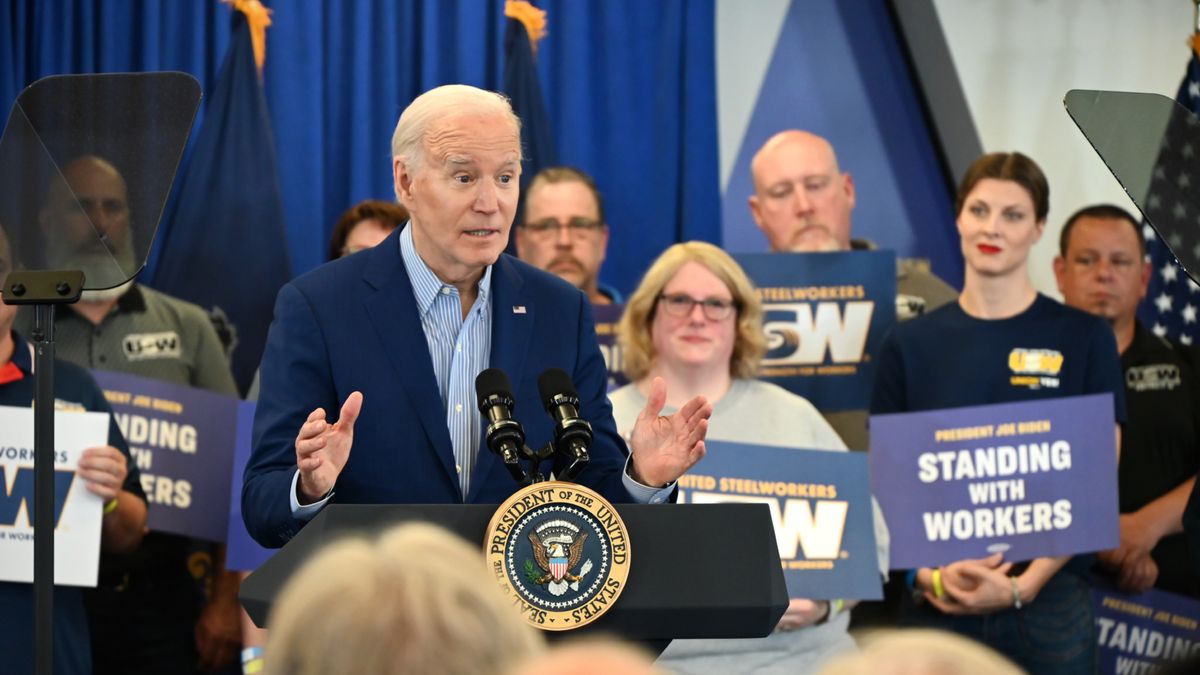
Domestic stakeholders, including labor unions and local communities, exert considerable influence on Biden’s policies. Labor groups, in particular, are wary of foreign acquisitions that could lead to job losses or diminished bargaining power for American workers. The steel industry has been a cornerstone of American manufacturing, and any perceived threat to its stability could provoke strong backlash from these groups.
International Trade Relations and Economic Diplomacy
The decision to block or approve the acquisition will also have ramifications for U.S.-Japan relations. Historically, both nations have enjoyed a robust economic partnership, underscored by mutual interests in trade and security. However, a rejection of Japan’s bid could signal a shift in the U.S. stance towards foreign investments, particularly from allies.
Trade experts suggest that the Biden administration is likely to weigh the potential fallout of its decision. On one hand, blocking the acquisition could protect American jobs and industries; on the other, it could strain diplomatic relations and set a precedent that may discourage future foreign investments. This delicate balancing act reflects the intricate nature of modern economic diplomacy.
The Potential Impacts of Blocking the Acquisition
If Biden decides to thwart Japan’s ambitions in U.S. steel, the implications could be far-reaching:
- Job Protection: A stance against foreign acquisitions could resonate positively with American labor, demonstrating a commitment to protecting domestic jobs.
- Market Stability: Maintaining control over the steel industry could ensure stability in a market that is vital for infrastructure and manufacturing.
- Geopolitical Tensions: Conversely, such a move might escalate tensions with Japan and potentially other allies, who may view it as an act of economic nationalism.
Alternative Solutions and Collaborative Opportunities
Rather than outright rejection, the Biden administration might consider alternative approaches that allow for collaboration while still safeguarding U.S. interests. One possible route could involve structuring the acquisition to include American joint ventures or partnerships, ensuring that U.S. stakeholders maintain a significant say in operations and decision-making.
Another avenue could be the implementation of strict regulatory frameworks that would govern foreign investments in critical industries. This could involve ensuring that foreign entities adhere to stringent environmental and labor standards, promoting sustainability and ethical practices within the steel industry.
The Future of U.S. Steel and Global Competition
As Biden grapples with this dilemma, the future of U.S. steel production hangs in the balance. The global market is increasingly competitive, with countries like China and India ramping up their steel production capabilities. For the U.S. to remain a key player, it must innovate and adapt, leveraging both domestic and international resources.
Moreover, as sustainability becomes a more pressing concern, the U.S. steel industry must embrace new technologies and practices that reduce its carbon footprint. Collaborating with foreign firms that have advanced capabilities in sustainable steel production could provide a pathway for growth while addressing environmental challenges.
Biden’s dilemma regarding Japan’s ambitions in U.S. steel is emblematic of the broader challenges facing modern economies: how to balance domestic priorities with the realities of global interconnectedness. As he weighs the potential outcomes, the decision will not only shape the future of American manufacturing but also define the United States’ role in the evolving landscape of international trade.
Ultimately, the Biden administration must adopt a strategic approach that safeguards American interests while fostering constructive relationships with key allies. By doing so, it can ensure that the U.S. remains competitive in the global steel market and continues to lead in manufacturing innovation.
See more CCTV News Daily