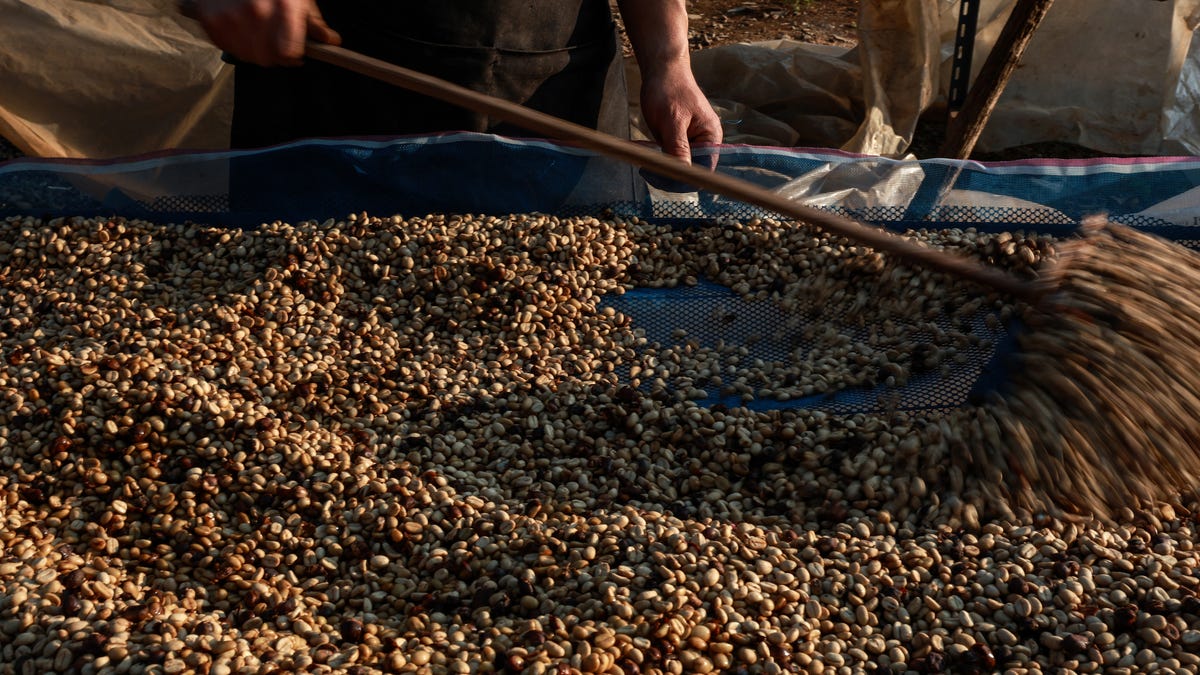
Brewing Concerns: The Impact of Soaring Coffee Prices on Consumers
As coffee prices reach unprecedented heights, consumers are left grappling with the implications for their daily caffeine fix. The aroma of freshly brewed coffee has become a beloved ritual for millions around the globe, but recent price hikes have sparked concerns about affordability and accessibility. In this article, we will explore the factors driving these price increases and what they mean for coffee lovers worldwide.
Understanding the Price Surge
The recent surge in coffee prices can be attributed to a confluence of factors, ranging from environmental challenges to market dynamics. Here are some key reasons behind the rising costs:
- Climate Change: Coffee is particularly sensitive to climate conditions. Unpredictable weather patterns, including droughts and heavy rainfall, have severely impacted coffee-growing regions. Brazil, the world’s largest coffee producer, has faced significant challenges due to adverse weather, leading to lower yields.
- Pest Infestations: Coffee crops are also susceptible to pests, such as the coffee borer beetle. Increased infestations have caused farmers to struggle with crop losses, further driving up prices as supply diminishes.
- Economic Factors: Global inflation and rising costs of production—including labor, shipping, and fertilizers—have contributed to the increased price of coffee beans.
- Supply Chain Disruptions: The COVID-19 pandemic revealed vulnerabilities in the global supply chain. Shipping delays, labor shortages, and logistical challenges have made it more difficult to bring coffee from farms to consumers.
The Ripple Effect on Consumers
As coffee prices escalate, consumers begin to feel the effects in various ways. Here’s how soaring coffee prices impact coffee lovers:
- Higher Prices at Cafés: Many consumers have already noticed the increase in prices for their favorite coffee beverages. Local cafés and chains are compelled to pass on their rising costs to customers, leading to higher prices for lattes, espressos, and other coffee creations.
- Changes in Consumption Habits: With coffee becoming more expensive, some consumers may alter their purchasing habits. This could mean opting for less expensive brands, buying coffee in bulk, or even reducing their overall consumption.
- Home Brewing Boom: The trend of home brewing has surged as people seek to save money. Coffee enthusiasts are investing in quality equipment and specialty beans to replicate their favorite café beverages at home.
Adapting to the New Normal
While the rising costs present challenges, there are ways consumers can adapt to this new landscape without sacrificing their love for coffee:
- Exploring Local Roasters: Supporting local coffee roasters can provide consumers with fresher beans at competitive prices. Many local businesses also offer tasting events, allowing consumers to discover unique flavors and blends.
- Buying in Bulk: Purchasing coffee in larger quantities can help save money in the long run. Many online retailers offer discounts for bulk purchases, making it a practical option for avid coffee drinkers.
- Experimenting with Alternatives: With prices climbing, some consumers are turning to alternatives like tea or herbal infusions. These beverages can provide a satisfying caffeine fix at a lower price point.
The Broader Economic Context
Understanding the broader economic context is essential to grasp the full impact of soaring coffee prices. The coffee market is influenced by global trends, trade agreements, and even geopolitical tensions. For instance, fluctuations in currency exchange rates can affect the cost of imported coffee beans, further complicating the pricing landscape.
Moreover, as consumers become more aware of the ethical implications of their coffee consumption, there’s a growing demand for sustainably sourced and Fair Trade-certified products. While these options may come at a premium, they offer consumers peace of mind knowing they’re supporting ethical practices and helping farmers receive fair compensation.
Future Outlook for Coffee Prices
Looking ahead, the future of coffee prices remains uncertain. While some analysts predict stabilization as supply chains recover and production improves, others warn that climate change will continue to pose significant risks to coffee production. Consequently, consumers should stay informed about market trends and be prepared for potential fluctuations in pricing.
Additionally, innovations in coffee farming and production techniques may provide some relief. Advances in agricultural technology and sustainable farming practices could enhance crop resilience and yield, potentially stabilizing prices in the long term.
Conclusion: Brewing Resilience in the Face of Challenges
In conclusion, the impact of soaring coffee prices on consumers highlights both the challenges and opportunities within the coffee market. As the world grapples with climate change, economic fluctuations, and supply chain disruptions, coffee lovers must adapt to the evolving landscape. By exploring local options, buying in bulk, and remaining mindful of their choices, consumers can continue to enjoy their daily brew without breaking the bank.
Ultimately, the future of coffee remains bright, with consumers and producers alike working towards a more sustainable and equitable coffee industry. As we navigate these brewing concerns, one thing remains clear: our love for coffee is resilient, and together we can weather the storm.
See more CCTV News Daily