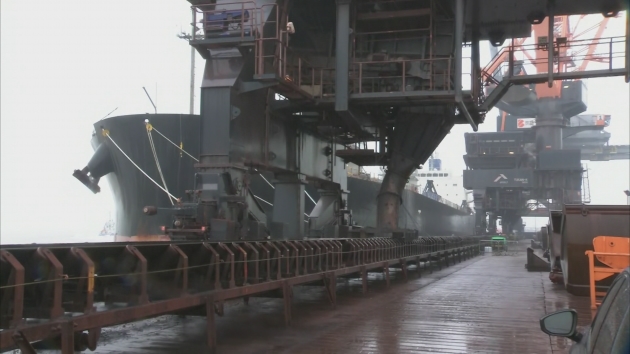
UK Government Steps Up Efforts to Rescue British Steel Plant
The UK government has intensified efforts to save the embattled British Steel plant, delivering critical supplies to sustain operations and prevent collapse. Amid mounting supply chain challenges and financial pressures, officials are working to secure thousands of jobs and stabilize the nation’s steel industry. The intervention underscores the sector’s strategic importance as global demand fluctuates and energy costs soar.
Urgent Measures to Keep the Plant Operational
British Steel, one of the UK’s largest steel producers, has faced severe headwinds in recent months, including skyrocketing energy prices, supply bottlenecks, and fierce international competition. The government’s latest actions include expediting raw material deliveries and negotiating short-term financial support to keep furnaces running at its Scunthorpe and Teesside facilities.
Industry sources confirm that without immediate intervention, production could halt within weeks, risking over 4,000 direct jobs and an estimated 20,000 more in the supply chain. “This isn’t just about one company—it’s about preserving a cornerstone of British manufacturing,” said Margaret Thornton, an industrial analyst at the Economic Policy Institute. “Steel is the backbone of infrastructure, from railways to wind turbines.”
Why the British Steel Plant Matters
The UK steel sector contributes £2.1 billion annually to the economy and supports 33,700 jobs nationwide, according to the Office for National Statistics. British Steel alone produces 2.8 million tonnes of steel each year, supplying critical industries such as construction, automotive, and defense. Its potential collapse would force the UK to rely more heavily on imports, exacerbating trade deficits and security concerns.
- Employment: The plant sustains entire communities in Northern England, where alternatives are scarce.
- National Security: Domestic steel production is vital for infrastructure resilience.
- Green Transition: The plant’s shift to low-carbon steelmaking aligns with UK climate goals.
Challenges and Opposition Perspectives
While the rescue plan has broad support from unions and local leaders, critics argue that taxpayer funds should not prop up an industry struggling with structural inefficiencies. “The government is throwing good money after bad,” said free-market economist Dr. James Fowler. “Global steel overcapacity means the UK must either innovate or accept decline.”
However, unions counter that strategic industries require long-term investment. “This isn’t a bailout—it’s a lifeline to modernize and compete,” argued Gary Simpson of the Unite union. “Other nations subsidize their steel; why shouldn’t we?”
The Road Ahead: Decarbonization and Competitiveness
The government’s support comes with strings attached, including commitments to reduce emissions. British Steel has pledged £1.2 billion toward electric arc furnaces, which cut carbon emissions by 75% compared to traditional blast furnaces. Energy Secretary Claire Wilkinson stated, “Our goal is a sustainable steel industry that thrives in a net-zero economy.”
Yet challenges persist. The UK’s industrial electricity prices remain 60% higher than Germany’s, putting domestic producers at a disadvantage. Analysts urge broader reforms, such as:
- Tax incentives for green steel projects
- Tariffs on cheap, carbon-intensive imports
- Public-private partnerships to fund R&D
Conclusion: A Pivotal Moment for UK Steel
The fate of British Steel will test the UK’s ability to balance economic pragmatism with industrial strategy. With negotiations ongoing, stakeholders await details on long-term solutions. For now, the immediate focus is averting disaster—but the bigger question is how to build a future-proof industry. As global markets evolve, the UK’s choices today will shape its industrial landscape for decades.
For updates on this developing story, follow our industry newsletter or engage with policymakers to voice your perspective.
See more CCTV News Daily