Cambodia Faces Record Trump Tariff, Yet U.S. Manufacturing Remains Unmoved
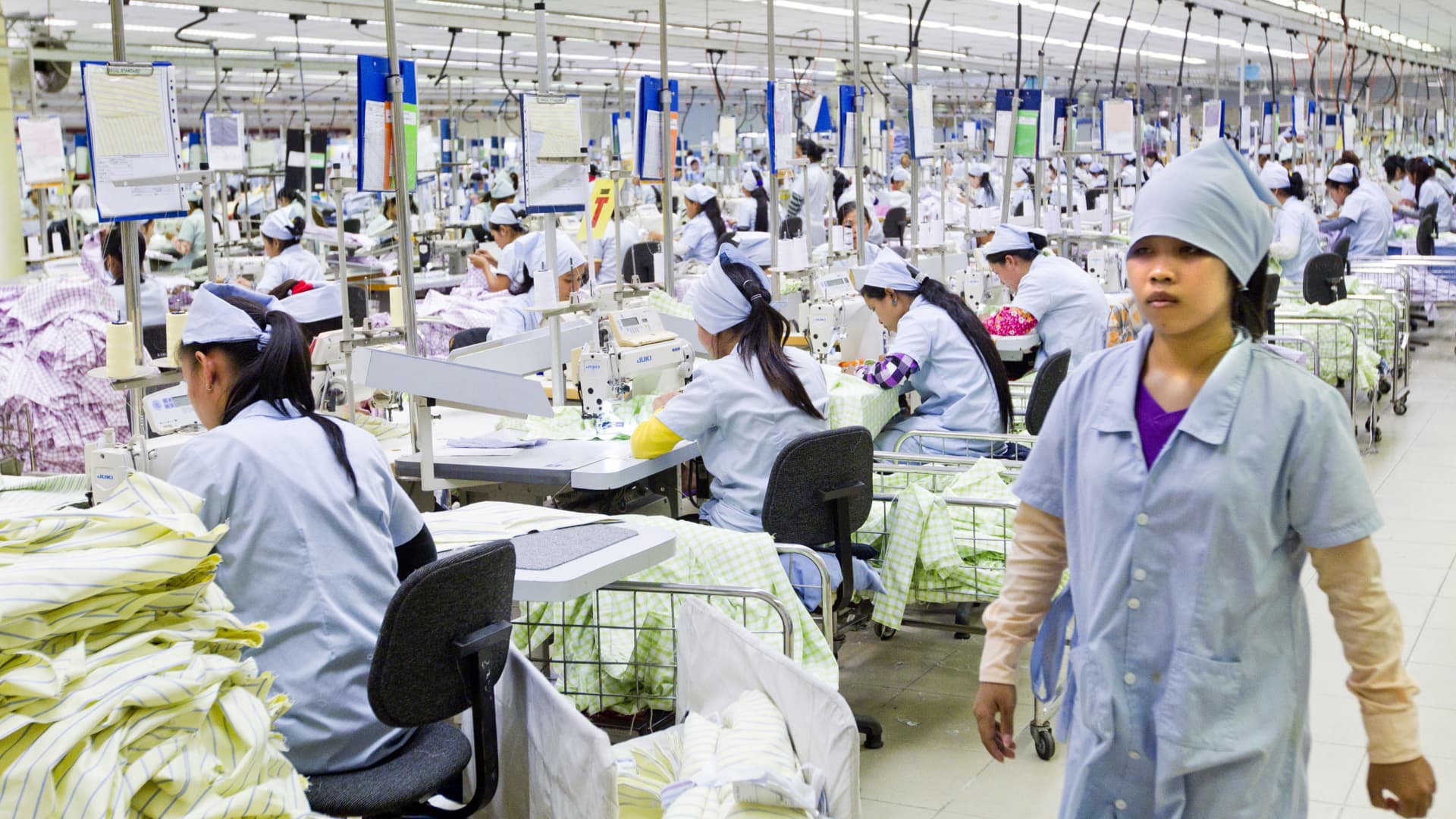
Cambodia’s export-driven economy is bracing for the highest tariffs ever imposed by the Trump administration—a 40% duty on certain goods—yet trade experts say the move is unlikely to bring manufacturing jobs back to the U.S. Despite the economic pressure, global supply chains remain resilient, with Cambodia’s garment and footwear industries adapting rather than collapsing. Analysts point to deeper structural factors, including labor costs and established infrastructure, as reasons why American factories won’t benefit from the policy shift.
The Tariff Impact on Cambodia’s Economy
In 2020, the U.S. imposed a 40% tariff on select Cambodian goods, primarily targeting the country’s lucrative garment and travel goods sector, which accounts for nearly 80% of its exports. The move was framed as a response to Cambodia’s alleged human rights violations and growing ties with China. However, three years later, the anticipated exodus of manufacturing back to the U.S. has not materialized.
Data from the World Bank shows Cambodia’s garment exports to the U.S. dipped by only 12% in the first year of the tariffs, far less than predicted. Instead of shutting down, factories pivoted to alternative markets, including the EU and Japan, while others absorbed costs through efficiency improvements.
“Tariffs alone can’t reverse decades of globalization,” says Dr. Evelyn Carter, a trade economist at the Brookings Institution. “Cambodia’s labor costs are a fraction of America’s, and its supply chains are deeply embedded. Companies won’t relocate unless the financial incentives are overwhelming—which they aren’t.”
Why U.S. Manufacturing Isn’t Responding
Several key factors explain why American factories aren’t benefiting from the tariffs:
- Labor Costs: The average Cambodian garment worker earns $190 per month, compared to $3,000+ for a U.S. worker.
- Supply Chain Dependencies: Factories in Cambodia are part of a well-oiled ecosystem, with easy access to materials from China and Vietnam.
- Infrastructure Gaps: The U.S. lacks the specialized factories and skilled labor pools needed for mass textile production.
Additionally, many U.S. brands have adopted a “China Plus One” strategy, diversifying across Southeast Asia rather than returning home. Cambodia, despite tariffs, remains a preferred alternative due to its low wages and trade agreements with other regions.
Global Supply Chains Prove Resilient
The tariffs were initially expected to disrupt Cambodia’s economy, which relies on the U.S. for about 24% of its export revenue. Instead, manufacturers adapted swiftly:
- Some absorbed tariff costs by trimming profit margins.
- Others shifted production to duty-free markets like the EU under the “Everything But Arms” trade scheme.
- A few relocated operations to neighboring Vietnam or Bangladesh.
According to the International Labour Organization (ILO), Cambodia’s garment sector still employs over 800,000 workers—a mere 5% decline since the tariffs took effect. “Global supply chains are like water—they find the path of least resistance,” notes supply chain analyst Raj Patel. “Policymakers often underestimate how quickly businesses adjust.”
Broader Implications for Trade Policy
The muted impact of the tariffs raises questions about the effectiveness of protectionist measures in today’s interconnected economy. While the U.S. aimed to pressure Cambodia politically, the economic pain has been limited. Meanwhile, China has deepened its investment in Cambodian infrastructure, further anchoring the country in its economic orbit.
“This is a classic case of unintended consequences,” says Maria Lopez, a senior fellow at the Center for Strategic and International Studies. “Instead of isolating Cambodia, the tariffs pushed it closer to Beijing. The U.S. needs a more nuanced approach if it wants to compete in Southeast Asia.”
What’s Next for Cambodia and U.S. Trade Relations?
Looking ahead, Cambodia is unlikely to see tariff relief soon, but its manufacturing sector is expected to endure. Key developments to watch include:
- Diversification Efforts: Cambodia is expanding into electronics assembly and auto parts to reduce reliance on garments.
- U.S. Policy Shifts: The Biden administration may reassess tariffs but is unlikely to reverse them entirely.
- Regional Competition: Vietnam and Indonesia could gain more U.S. business if Cambodia’s costs rise further.
For American policymakers, the lesson is clear: tariffs alone can’t revive domestic manufacturing. A comprehensive strategy—including workforce training, infrastructure upgrades, and incentives—would be needed to lure factories back.
Want to stay updated on global trade trends? Subscribe to our newsletter for expert analysis on shifting supply chains and economic policy.
See more CCTV News Daily