Politeness on the Brink: Tariffs and the Canadian Response
As President Trump’s tariffs take effect, a wave of frustration is sweeping across Canada, challenging the nation’s reputation for politeness. This article explores how economic pressures are reshaping Canadian attitudes and sparking a new era of bold expression.
The Economic Landscape: Understanding the Tariffs
When President Trump introduced a series of tariffs on imported goods, particularly targeting steel and aluminum, the implications reverberated across North America. Canada, as one of the largest suppliers of these materials to the U.S., found itself at the epicenter of this trade dispute. The tariffs were a means to protect American industries but came at a steep price for Canadian businesses and consumers alike.
The economic impact was immediate and multifaceted. Canadian manufacturers faced increased costs for raw materials, which, in turn, affected pricing structures across various sectors. With Canada relying heavily on trade with the U.S., any disruption in this relationship threatened to destabilize the Canadian economy.
Canadian Discontent: A Shift in Attitude
Traditionally known for their politeness and diplomatic approach, Canadians began to express their discontent in ways that were more vocal than ever before. The tariffs ignited a sense of urgency among citizens, pushing them to reconsider their passive demeanor. This shift in attitude can be attributed to several factors:
- Economic Stress: Increased costs of living and the threat of job losses in key industries heightened frustrations.
- National Pride: Canadians began to rally around their national identity, feeling that their sovereignty was being undermined by unilateral U.S. policies.
- Social Media Influence: Platforms like Twitter and Facebook provided a space for Canadians to voice their frustrations publicly, fostering a culture of boldness.
The Politely Discontented: Expressions of Frustration
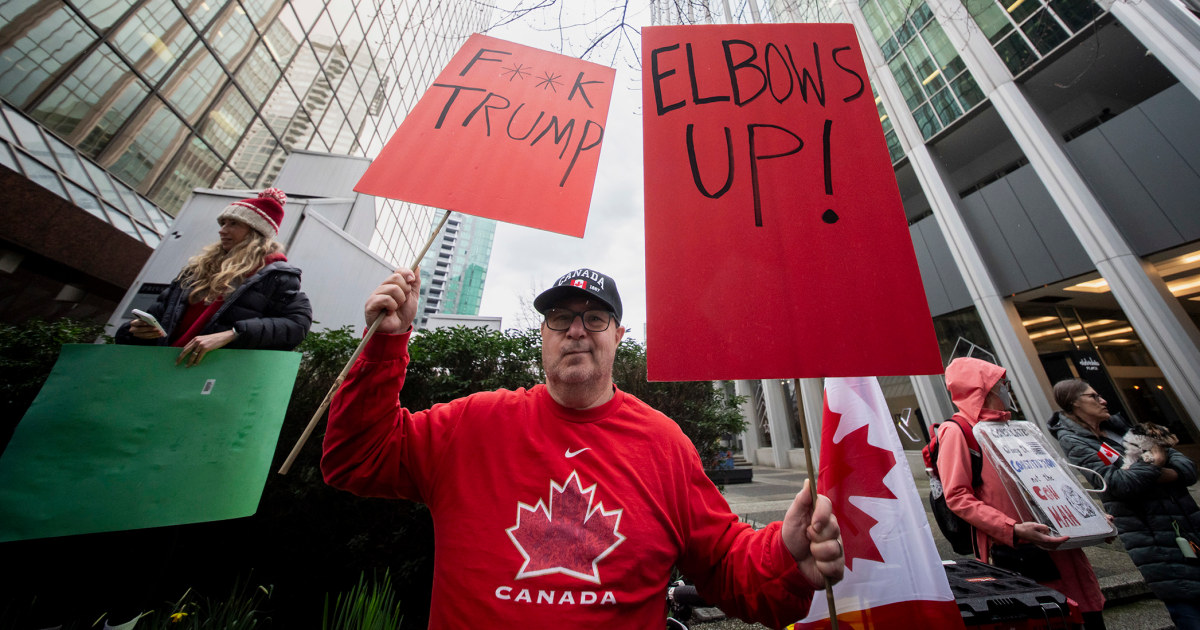
With the backdrop of economic uncertainty, Canadians took to expressing their dissatisfaction in various ways. From protests to social media campaigns, the polite Canadian facade cracked, revealing a more assertive populace. Several key expressions of this discontent emerged:
Protests and Public Demonstrations
Across major cities like Toronto, Vancouver, and Montreal, public demonstrations became commonplace. These gatherings were not just about the tariffs; they symbolized a collective unease with U.S. policies that seemed to disregard Canadian interests. Protesters wielded signs that read, “Canada is not a trade pawn!” and “Stand up for Canadian workers!” highlighting their desire for a fair trade relationship.
Social Media Campaigns
Social media became a powerful tool for Canadians to amplify their voices. Hashtags like #TariffTruth and #CanadaStrong trended as citizens shared their stories and experiences related to the tariffs. Online petitions gained traction, calling for governmental action to protect Canadian jobs and industries. This digital activism showcased a new, bold Canadian identity, one that was unafraid to challenge the status quo.
Political Repercussions: The Government’s Response
The Canadian government, led by Prime Minister Justin Trudeau, faced immense pressure to respond to the tariffs. In an effort to maintain diplomatic relations while addressing domestic concerns, the government took several steps:
- Retaliatory Tariffs: Canada implemented its own tariffs on American goods, targeting products like whiskey, yogurt, and various agricultural products. This move was a clear message: Canada would not be bullied.
- Support for Affected Industries: Financial aid packages were introduced to support industries hit hardest by the tariffs, including steel and aluminum manufacturers.
- Strengthening Trade Alliances: Canada sought to strengthen trade relationships with other countries, looking beyond its reliance on the U.S. to create a more diversified trade network.
A New Era of Canadian Boldness
The tariffs not only challenged Canada’s economic stability but also catalyzed a cultural shift. The notion of politeness, previously a hallmark of Canadian identity, began to evolve. Canadians started to embrace a more assertive stance on issues affecting their country. This newfound boldness is evident in several key areas:
Advocacy for Fair Trade
Canadians began advocating for fair trade practices and transparency in trade agreements. Grassroots movements emerged, pushing for policies that prioritize Canadian workers and industries. This shift in advocacy reflects a desire to reclaim agency over economic decisions that directly impact their lives.
Increased Political Engagement
With heightened awareness of the implications of tariffs, Canadian citizens became more politically engaged. Voter turnout increased in the subsequent elections, and citizens took a keen interest in the positions of political candidates regarding trade policies. This engagement signifies a population that is not only informed but also willing to mobilize for change.
Conclusion: Finding Balance in Discontent
As President Trump’s tariffs continue to shape the economic landscape, Canada’s response illustrates a profound transformation in national identity. The juxtaposition of politeness and discontent highlights a critical moment in Canadian history—one where economic pressures are forcing citizens to step beyond their traditionally reserved demeanor. While challenges persist, the bold expressions and calls for change reflect a resilient Canada ready to stand up for its interests.
Ultimately, the tariffs have not just stirred economic discontent; they have ignited a movement towards a more assertive Canadian identity. In this age of boldness, Canadians are finding their voices and redefining what it means to be polite in an increasingly complex global landscape.
See more CCTV News Daily