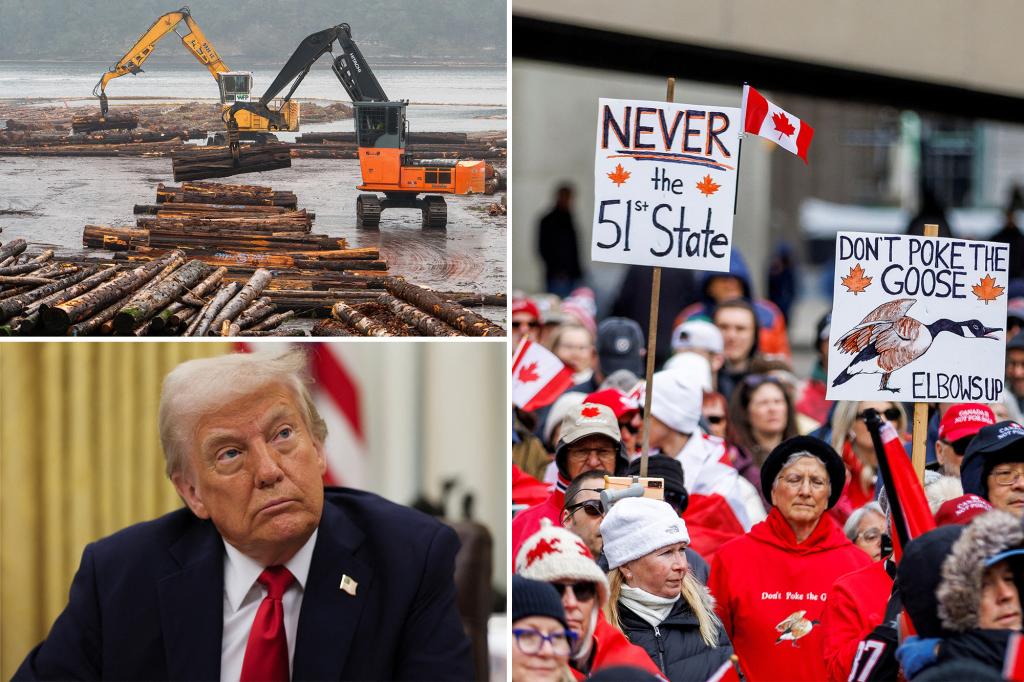
Canada Braces for Economic Shock as Trump’s ‘Liberation Day’ Tariffs Loom
Canada faces mounting economic uncertainty as former U.S. President Donald Trump’s proposed “Liberation Day” tariffs threaten to disrupt North American trade. With potential 10% across-the-board tariffs on imports, economists warn of job losses, supply chain chaos, and a possible recession. The measures, which could take effect if Trump wins the November election, have put Canadian policymakers and businesses on high alert.
The Potential Impact on Canadian Industries
Analysts predict the tariffs would hit Canada’s auto sector hardest, where 85% of vehicles produced are exported—primarily to the U.S. The Canadian Vehicle Manufacturers’ Association estimates a 10% tariff could eliminate 30,000 jobs within 18 months. Meanwhile, agriculture exports like beef, pork, and soybeans face similar risks, with $27 billion in annual trade at stake.
“This isn’t just about tariffs—it’s about the entire economic ecosystem,” warns Dr. Sarah Lin, trade economist at McGill University. “When you factor in retaliatory measures and supply chain disruptions, we’re looking at a potential 2-3% GDP contraction within two years.”
Key vulnerable sectors include:
- Automotive: 500,000 direct and indirect jobs at risk
- Energy: 74% of crude oil exports go to U.S. refineries
- Timber: $8 billion industry already facing softwood lumber disputes
Historical Context: Lessons from 2018-2020 Trade Wars
When Trump previously imposed steel and aluminum tariffs in 2018, Canada responded with $16.6 billion in countermeasures. While both sides eventually reached agreements, the damage was significant:
- Canadian steel exports dropped 12% in 2019
- Auto sector investment fell by $1.4 billion
- Consumer prices rose 1.8% on affected goods
“The difference this time is the scale,” notes former trade negotiator Michael Chen. “Last time targeted specific industries. Across-the-board tariffs would create systemic shocks we haven’t seen since NAFTA renegotiations.”
Preparing for the Worst: Canada’s Contingency Plans
The Trudeau government is reportedly developing a three-pronged strategy:
- Diversification: Accelerating trade agreements with the EU and Indo-Pacific
- Domestic Stimulus: Sector-specific support for manufacturing and agriculture
- Legal Challenges: Leveraging USMCA dispute mechanisms
Bank of Canada Governor Tiff Macklem recently stated, “While we hope for continued trade stability, financial institutions are stress-testing scenarios with 50-100 basis point interest rate hikes to combat inflation from tariffs.”
Everyday Canadians Could Feel the Pinch
Beyond macroeconomic impacts, consumers would likely face:
- 5-7% price increases on U.S. imported goods
- Reduced selection of American products
- Potential housing market slowdown in manufacturing regions
Toronto small business owner Jamal Wright, who imports specialty foods from Michigan, shares: “If these tariffs hit, I’ll either raise prices 15% or stop carrying half my inventory. There’s no winning scenario for cross-border businesses like mine.”
The Geopolitical Fallout: Strained U.S.-Canada Relations
Diplomatic experts warn that new tariffs could damage the countries’ historically strong relationship. Potential consequences include:
- Delayed cooperation on Arctic security
- Reduced collaboration on clean energy initiatives
- Strained intelligence sharing arrangements
However, some analysts suggest Canada might gain leverage in certain areas. “This could finally push Ottawa to approve the Keystone XL pipeline revival,” notes energy policy expert Claire Dubois. “Energy security may trump trade disputes.”
What Comes Next? Scenarios for Canadian Businesses
With six months until potential policy changes, experts recommend businesses:
- Audit supply chains for U.S. dependencies
- Explore alternative suppliers in CETA or CPTPP countries
- Lobby provincial and federal governments for transition support
As the situation develops, Canadians are urged to stay informed through Global Affairs Canada updates and local business associations. While the full impact remains uncertain, proactive preparation could mean the difference between weathering the storm or being swept away by this potential economic tsunami.
See more CCTV News Daily