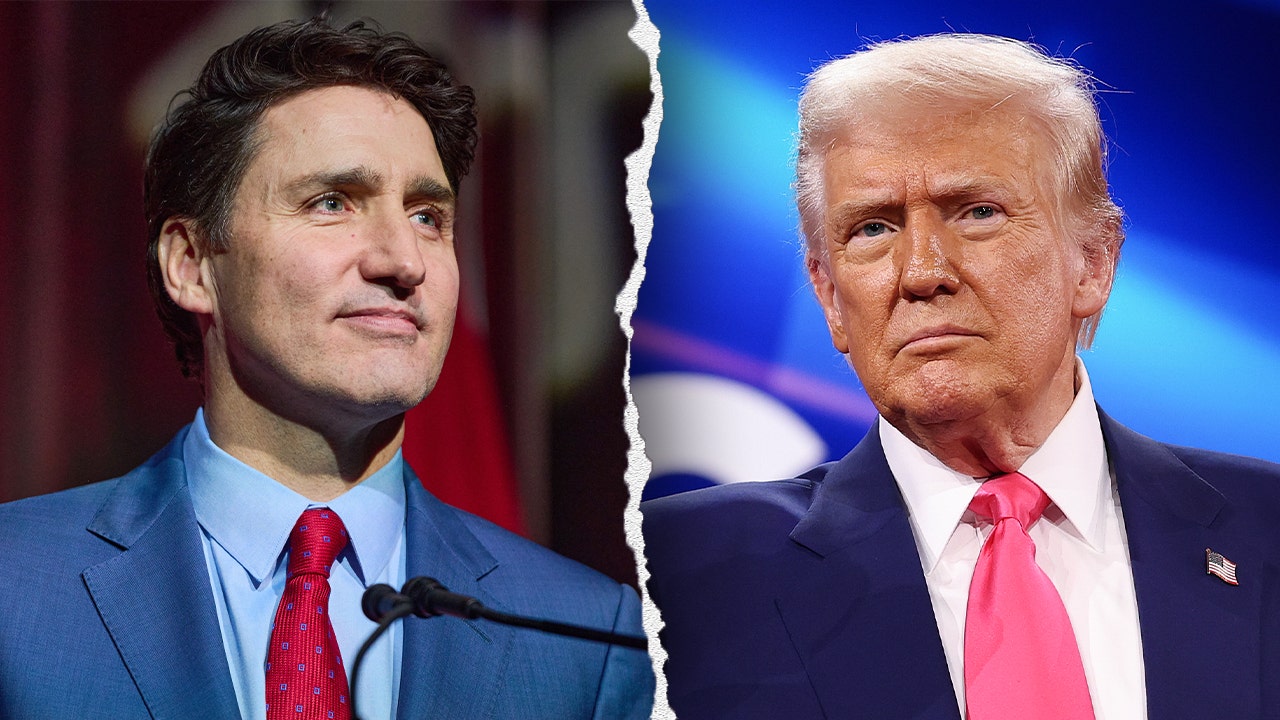
Canadian Official Critiques Trump’s Tariff Strategy Amid Trudeau’s Departure
As Prime Minister Justin Trudeau prepares to step down, the political landscape in Canada is witnessing a significant transition that is further complicated by external pressures, particularly from the United States. A prominent Canadian official has recently voiced strong concerns regarding former President Donald Trump’s proposed tariff strategies, arguing that these measures could jeopardize economic stability and prosperity for both nations. This commentary sheds light on the potential ramifications of such tariffs during a critical period of political change in Canada.
The Context of Trudeau’s Departure
Justin Trudeau’s tenure as Prime Minister has been marked by both achievements and controversies. His decision to step down comes at a time when Canada faces various challenges, including economic recovery post-pandemic, climate change, and international relations. Trudeau’s leadership has played a pivotal role in navigating these complexities. However, as he departs, the question of who will succeed him looms large, and his party’s direction remains uncertain.
In this transitional phase, the economic policies that the next leader will adopt are under close scrutiny. With the looming threat of Trump’s tariffs, the urgency for a coherent economic strategy becomes even more pronounced. The concern from Canadian officials is that any sudden shifts in trade policy could lead to significant economic repercussions.
Trump’s Tariff Proposals: An Overview
Former President Trump’s approach to tariffs has often been characterized by a protectionist stance aimed at bolstering American industry. His administration implemented tariffs on various goods, particularly targeting steel and aluminum imports, which had a direct impact on Canada, among other countries. These tariffs were initially justified as a means to protect national security but have been widely criticized for their broader economic implications.
The latest proposals from Trump suggest a re-emphasis on tariffs as a tool of economic strategy, which has raised alarms among Canadian officials. The critique surrounding these tariffs is not solely about their immediate financial impact but also their long-term implications for trade relations and economic stability.
Economic Stability at Stake
The concerns raised by Canadian leaders regarding Trump’s tariff strategy underscore a crucial point: economic stability is inherently linked to trade relationships. Canada is one of the United States’ largest trading partners, and any disruption in this relationship could have cascading effects on both economies.
- Job Losses: Increased tariffs typically lead to higher costs for businesses, which can result in job losses as companies struggle to maintain profitability.
- Inflation: Tariffs can contribute to inflation as the cost of imported goods rises, leading to higher consumer prices.
- Supply Chain Disruptions: Many Canadian industries rely on cross-border supply chains; tariffs could disrupt these networks, affecting production and delivery times.
Moreover, the timing of these proposed tariffs is particularly concerning given Canada’s current economic recovery efforts. As the country emerges from the COVID-19 pandemic, the focus has been on rebuilding and fostering a resilient economy. The added strain of increased tariffs could derail these efforts, leading to prolonged economic instability.
Potential Implications for Canada and the U.S.
The implications of Trump’s tariff strategy extend beyond immediate economic concerns. A critical aspect to consider is the diplomatic relationship between Canada and the United States. Historically, both nations have enjoyed a cooperative partnership, marked by shared interests and mutual benefit. However, the imposition of tariffs can strain these relations, leading to retaliatory measures and a deterioration of trust.
As Canada prepares for a new leadership era, the need for clear communication and strong diplomatic engagement with the U.S. becomes paramount. Canadian officials have emphasized the importance of negotiating trade agreements that prioritize economic cooperation over adversarial tactics. This approach is seen as essential not only for protecting Canadian interests but also for fostering a stable economic environment that benefits both countries.
Looking Ahead: The Need for Strategic Planning
In light of these challenges, it is crucial for Canadian policymakers to formulate a proactive strategy in response to Trump’s tariff proposals. This strategy should encompass a few key components:
- Engagement with U.S. Officials: Continuous dialogue with American leaders is vital to address concerns and seek mutually beneficial solutions.
- Diversification of Trade Partners: Canada could explore strengthening trade relationships with other countries to reduce dependency on the U.S. market.
- Investment in Domestic Industries: Fostering local industries can help mitigate the impact of tariffs by reducing reliance on imported goods.
These strategies not only aim to protect the Canadian economy but also signal to the U.S. that Canada is a capable and resilient partner, ready to adapt to changing circumstances.
Conclusion: A Call for Unity and Resilience
The critique from Canadian officials regarding Trump’s tariff strategy amid Trudeau’s departure serves as a vital reminder of the interconnectedness of global economies. As Canada stands on the brink of a new political chapter, the emphasis must be on maintaining economic stability and fostering strong trade relations. The lessons learned from past tariff implementations should guide future policies, ensuring that the focus remains on collaboration rather than confrontation.
In these uncertain times, a unified approach that prioritizes economic resilience, strategic engagement, and long-term planning will be essential. As Canada prepares for its next leadership phase, the commitment to protecting its economic interests, while fostering a cooperative relationship with the U.S., will be crucial for ensuring prosperity for both nations.
See more CCTV News Daily