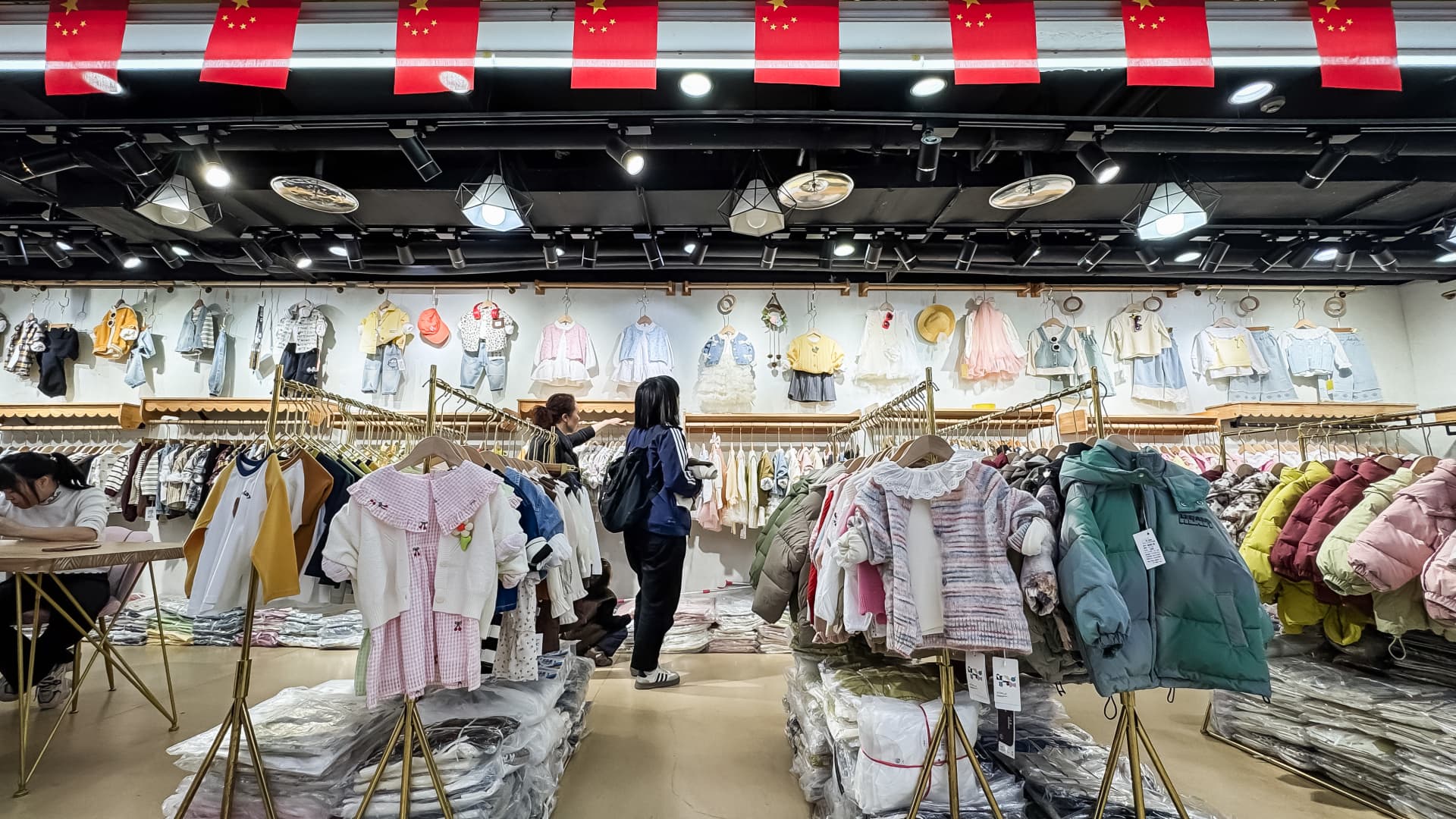
China’s Strategy to Boost Consumption: Unpacking Child Care Subsidies
As the world’s second-largest economy, China has faced a significant slowdown in consumer spending, a trend that has raised alarms among policymakers and economists alike. In response to this concerning decline, the government is rolling out a series of child care subsidies aimed at revitalizing the economy. This initiative not only seeks to boost consumption but also aims to reshape family dynamics and contribute to long-term economic growth in the nation.
Understanding the Context of Consumer Spending in China
In recent years, China’s economic landscape has been marked by a complex interplay of factors that have hindered robust consumer spending. Following the COVID-19 pandemic, many households found themselves grappling with uncertainty and financial constraints. A rising cost of living and stagnant wages have further compounded these issues, leading to a cautious approach to spending among consumers.
Reports indicate that retail sales growth in China has been sluggish, prompting the government to seek innovative solutions to stimulate demand. Among these solutions are child care subsidies, which are designed to alleviate the financial burdens associated with raising children and encourage families to spend more.
The Role of Child Care Subsidies in Economic Revitalization
Child care subsidies represent a strategic move by the Chinese government to address both demographic challenges and economic stagnation. By providing financial support to families, the government hopes to:
- Encourage higher birth rates in a country facing an aging population.
- Increase disposable income available for spending on goods and services.
- Foster a more favorable environment for young couples to start families.
The introduction of these subsidies aligns with the government’s broader goal of shifting from an investment-driven economy to one that prioritizes domestic consumption. By directly addressing the costs associated with child-rearing, the government is not only addressing economic concerns but also social and demographic challenges.
Impact on Family Dynamics
Child care subsidies could lead to significant shifts in family dynamics across China. Traditionally, the financial burden of child-rearing has fallen heavily on parents, which has deterred many from having more children. By easing this burden, the government is likely to influence family planning decisions and encourage a more family-oriented lifestyle.
Here are some potential impacts on family dynamics:
- Enhanced Parental Participation: With subsidies in place, parents may have more incentive to share child-rearing responsibilities, allowing both mothers and fathers to engage more actively in their children’s lives.
- Increased Workforce Participation: Financial support can enable parents, particularly mothers, to return to work sooner after childbirth, thus promoting gender equality in the workplace.
- Improved Child Development: With reduced financial strain, families may invest more in quality education and health care for their children, leading to better developmental outcomes.
Economic Implications of Child Care Subsidies
The economic implications of these child care subsidies are profound. By increasing disposable income, families are more likely to engage in consumption, which is a critical driver of economic growth. Here’s how:
- Boosting Retail Sales: More disposable income means families can spend on non-essential items such as electronics, clothing, and entertainment, leading to increased retail sales.
- Stimulating Job Creation: As consumer demand rises, businesses may need to hire more staff, contributing to job creation and reducing unemployment rates.
- Encouraging Investment: A more robust consumer market can attract both domestic and foreign investment, further strengthening the Chinese economy.
Challenges and Considerations
While the introduction of child care subsidies holds great promise, there are challenges that must be addressed to ensure their effectiveness:
- Funding and Sustainability: The government must ensure that these subsidies are financially sustainable in the long term. A sudden increase in spending without adequate revenue can lead to fiscal deficits.
- Regional Disparities: China is vast, and regional inequalities may affect how well these subsidies are implemented and received. Urban areas may benefit more than rural ones, exacerbating existing disparities.
- Public Awareness: The success of these subsidies will depend on how well families understand and access them. Effective communication and outreach will be critical to ensure that the intended beneficiaries are reached.
International Perspectives on Child Care Subsidies
China is not alone in its pursuit of child care subsidies; many countries around the world have recognized the importance of supporting families to stimulate economic growth. For instance:
- Scandinavian Countries: Nations like Sweden and Norway have long offered generous child care subsidies, contributing to high birth rates and strong consumer spending.
- Canada: Canada has implemented various programs aimed at subsidizing child care, which has been shown to enhance female workforce participation and bolster economic growth.
These examples illustrate that child care subsidies can be an effective tool in not only supporting families but also in fostering broader economic stability and growth.
Conclusion: A Forward-Looking Approach
China’s strategy to boost consumption through child care subsidies signifies a thoughtful and forward-looking approach to addressing economic and demographic challenges. By investing in families, the government hopes to create a cycle of consumption that stimulates the economy while also nurturing the next generation.
As these initiatives unfold, it will be crucial for policymakers to monitor their effectiveness and make necessary adjustments. The success of child care subsidies could serve as a model for other nations facing similar challenges, highlighting the link between family support and economic vitality. In this way, China’s efforts may not only reshape its own economy but could also influence global perspectives on family welfare and economic growth.
See more CCTV News Daily