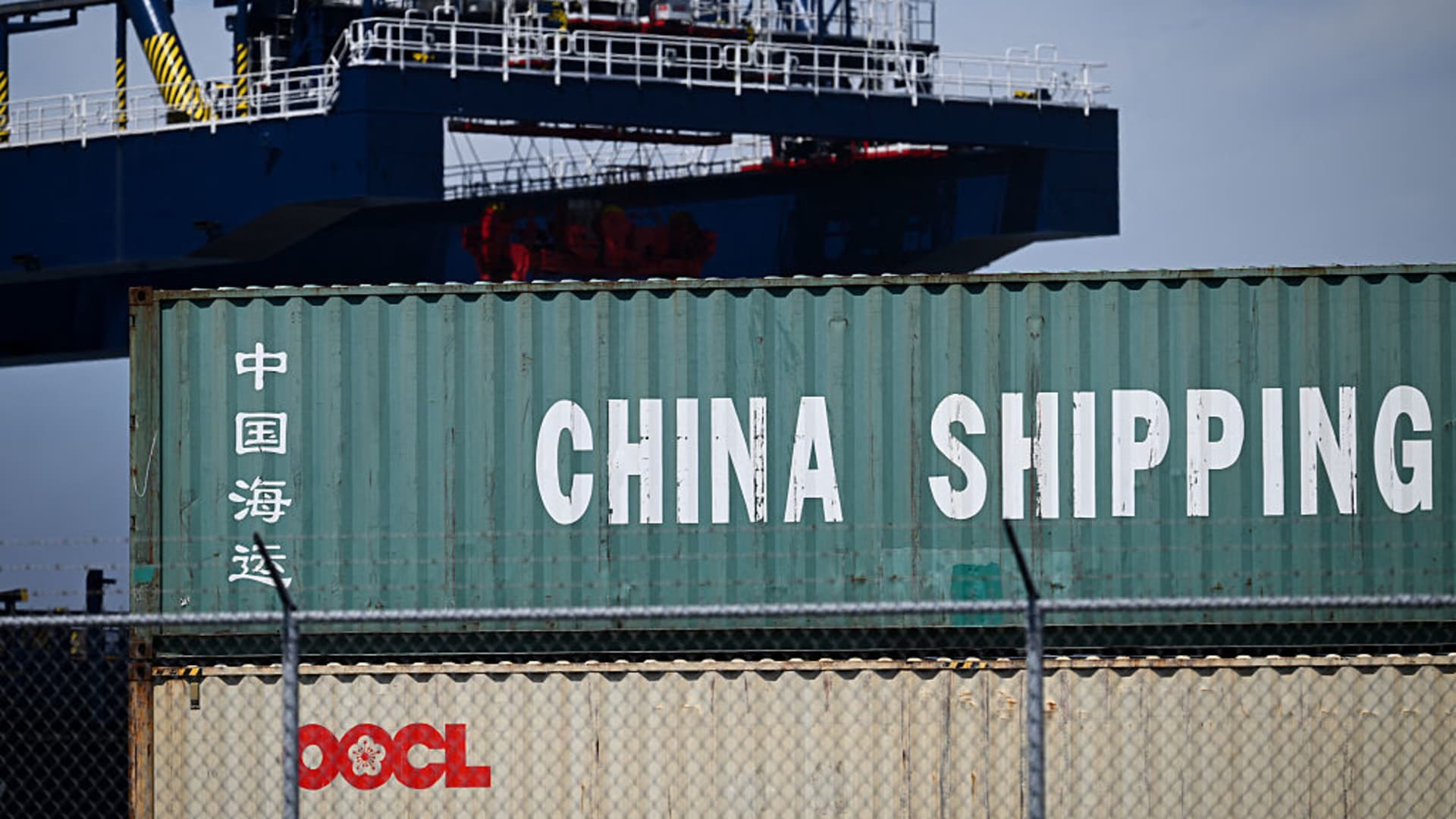
China’s Export Dynamics Reveal Complex Trade Patterns in April
China’s export sector delivered a paradoxical performance in April 2024, with overall shipments growing 1.5% year-on-year to $292.5 billion—surpassing economists’ forecasts—while exports to the United States plummeted by 21%. This dramatic divergence highlights shifting global trade alliances, regional economic pressures, and the unintended consequences of geopolitical tensions. The unexpected strength came primarily from surging demand in Southeast Asia, Russia, and Africa, compensating for the Western downturn.
Behind the Numbers: A Regional Breakdown
Customs data reveals striking regional disparities that explain the apparent contradiction in China’s export performance:
- Southeast Asia: Exports surged 27% to $49.2 billion, with Vietnam and Malaysia leading demand
- Russia: Shipments jumped 63% to $9.6 billion, continuing wartime trade patterns
- Africa: 18% growth to $17.3 billion, led by infrastructure-related exports
- EU: Moderate 3% decline to $42.8 billion, less severe than U.S. drop
“We’re witnessing the acceleration of a multi-year trend where Chinese manufacturers are deliberately diversifying their markets,” explains Dr. Lin Wei, trade economist at Shanghai International Studies University. “The U.S. decline isn’t accidental—it’s the result of both American policies pushing for alternative suppliers and Chinese companies preemptively developing new partnerships.”
Geopolitical Winds Reshaping Trade Flows
The 21% year-on-year decrease in U.S.-bound exports marks the steepest monthly decline since the 2018 trade war. Analysts attribute this to three interconnected factors:
- Ongoing U.S. tariffs averaging 19% on $300 billion of Chinese goods
- Nearshoring initiatives seeing American firms shift to Mexican and Southeast Asian suppliers
- Strategic stockpiling by U.S. importers in Q1 2024 ahead of expected policy changes
Meanwhile, the Regional Comprehensive Economic Partnership (RCEP) continues bearing fruit for China. April marked the agreement’s strongest month since implementation, with RCEP members accounting for 38% of China’s total exports—up from 32% in April 2023.
How China’s Export Composition Is Evolving
Beyond geographic shifts, April’s trade data reveals important changes in what China exports. Traditional low-value goods declined 4% year-on-year, while high-tech products grew 8%. Notably:
- Electric vehicles: Exports surged 42% to $12.1 billion
- Lithium batteries: 29% growth to $8.7 billion
- Solar components: 15% increase to $5.9 billion
“The product mix tells us China isn’t just finding new markets—it’s upgrading its export engine,” notes Michelle Zhou, senior analyst at DBS Bank. “When you combine premium-positioned EVs with basic manufacturing moving to Vietnam, you get this unusual scenario where export values grow despite Western demand contraction.”
Domestic Factors Influencing Export Performance
Several homegrown developments contributed to April’s export dynamics:
The yuan’s 4.6% depreciation against the dollar since January made Chinese goods more competitive in non-U.S. markets. Simultaneously, Guangdong and Zhejiang provinces rolled out new export rebates for high-tech manufacturers, while logistics bottlenecks eased at key ports like Ningbo-Zhoushan.
However, not all domestic trends were favorable. Rising aluminum and copper prices increased production costs for electronics exporters by an estimated 6-8%, squeezing margins despite higher shipment volumes.
Implications for Global Trade and China’s Economy
April’s export data carries significant ramifications for multiple stakeholders:
- For China: Reduced U.S. dependence could insulate against future trade shocks but may slow tech sector growth
- For ASEAN: Growing Chinese exports may stimulate local economies while increasing competitive pressures
- For Western consumers: Diversified supply chains could stabilize prices but reduce product variety
“This isn’t just about trade numbers—it’s about economic realignment,” warns former WTO director Pascal Lamy. “When the world’s largest exporter systematically redirects 20% of its shipments from one market to others, every business with global suppliers needs to reassess their risk models.”
What to Watch in Coming Months
Several developing situations could reshape China’s export trajectory:
- Potential U.S. tariff increases following November elections
- EU’s ongoing anti-subsidy investigations into Chinese EVs
- Progress on China’s trade negotiations with Gulf Cooperation Council
- Domestic stimulus measures targeting advanced manufacturing
Economists will closely monitor whether May and June data confirms April’s trends as structural rather than seasonal. Early shipping manifests suggest the Southeast Asian surge is maintaining momentum, with Singapore-bound container volumes up 19% in early May versus 2023.
For businesses navigating these shifts, the takeaway is clear: The era of predictable China-West trade patterns has ended. Companies must now build flexibility into their supply chains while closely tracking both geopolitical developments and emerging market opportunities. Those who adapt fastest to this new reality will gain competitive advantage in an increasingly fragmented global marketplace.
See more CCTV News Daily