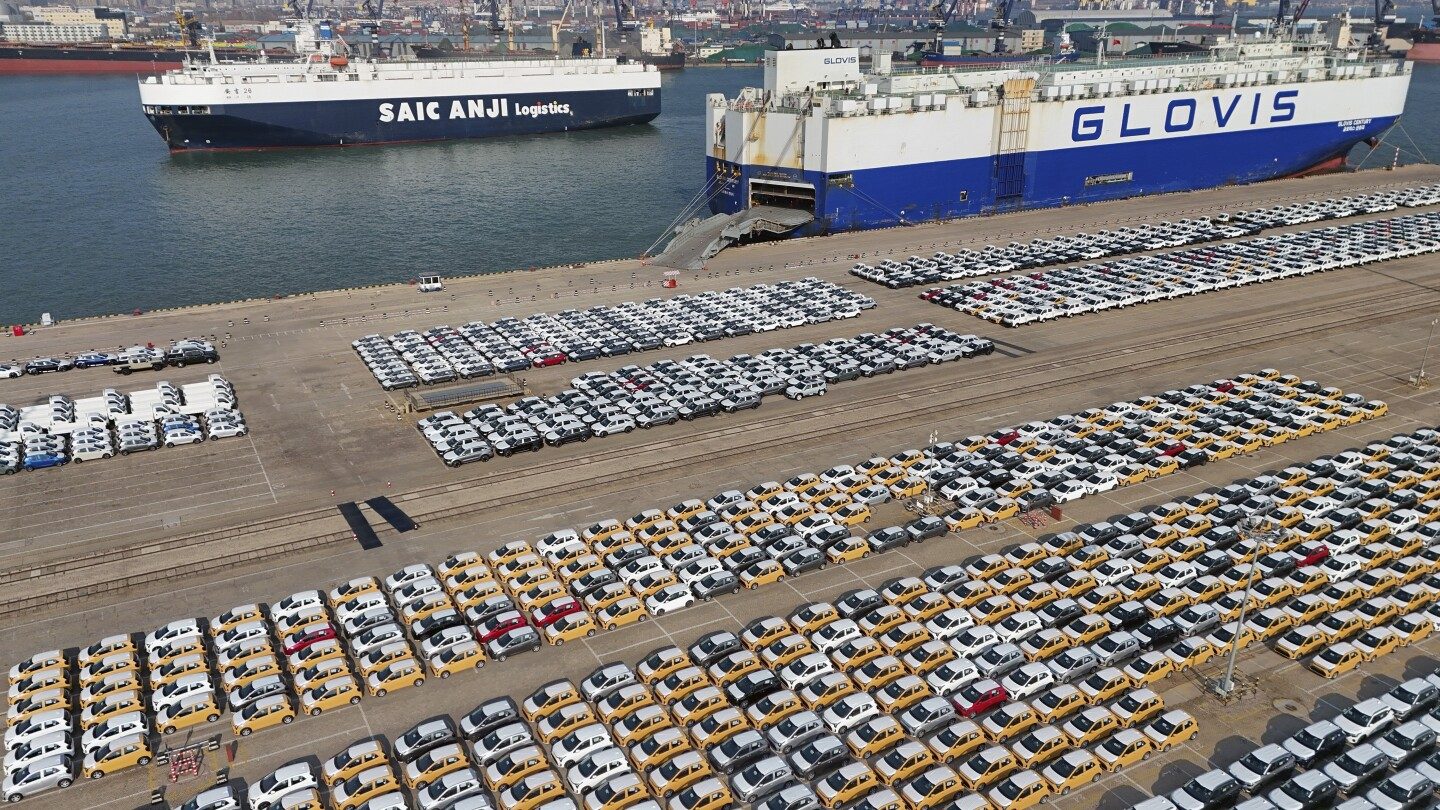
China’s December Exports Surpass Expectations Amid Rising US Tariffs
In December, China’s exports exhibited a remarkable surge, increasing by 10.7% compared to the previous year. This unexpected growth came as a surprise to many analysts who had predicted a decline due to the ongoing trade tensions and rising tariffs imposed by the United States. As the world’s second-largest economy navigates through these challenges, the December export figures signal resilience and an ability to adapt in a complex global trade environment.
Understanding the Export Landscape
China’s December exports surpassed expectations, marking a notable achievement for the country as it faces escalating tariffs from the US. Analysts had anticipated a much more modest performance, with many forecasting a decrease in exports due to the tightening of trade policies and tariffs that have characterized US-China relations over the past few years.
This impressive performance can be attributed to several factors, including:
- Strong Demand for Electronics: With the ongoing global digital transformation and an increase in remote work, demand for electronic goods has remained robust. China, as a leading exporter of electronics, benefited significantly from this trend.
- Supply Chain Adjustments: Many companies have adapted their supply chains to mitigate the impact of tariffs. By diversifying their sourcing and manufacturing locations, they managed to maintain production levels that supported export growth.
- Currency Valuation: The depreciation of the Chinese yuan against the US dollar made Chinese goods cheaper for foreign buyers, thus boosting export volumes.
Impact of Rising US Tariffs
The trade relationship between China and the United States has been tumultuous, especially with the introduction of tariffs on a wide array of goods. As the US government continues to implement higher tariffs, one might wonder how this could lead to increased Chinese exports. The answer lies in several strategic adjustments made by Chinese manufacturers and exporters.
While tariffs are designed to make imports more expensive, Chinese exporters have worked diligently to find ways around these barriers. Some of these strategies include:
- Increased Production Efficiency: Companies have invested in technology and processes that enhance productivity, allowing them to maintain competitive pricing even with tariffs in place.
- Market Diversification: Chinese exporters have increasingly turned their attention to markets beyond the US. By tapping into emerging economies and strengthening trade relationships with countries in Asia, Europe, and Africa, they have offset some losses incurred due to US tariffs.
- Innovation and Quality Improvement: Focusing on producing higher-quality goods and innovative products has allowed Chinese companies to attract buyers even in the face of tariffs, as consumers are willing to pay a premium for superior quality.
Broader Economic Implications
The unexpected increase in December exports holds significant implications for China’s economy and its global standing. As the country continues to demonstrate resilience, several key factors emerge:
- Economic Growth: Increased exports contribute to GDP growth, which is essential for maintaining economic stability and growth in China. A stronger export performance can help counterbalance domestic challenges such as slowing consumption.
- Employment Opportunities: A thriving export sector creates job opportunities, particularly in manufacturing and logistics. This is crucial for maintaining social stability in a country where employment is a sensitive issue.
- Global Supply Chains: As China remains a critical player in global supply chains, its export success can help stabilize not just its economy but also the global economy. This interconnectedness highlights the importance of China in international trade.
Looking Ahead: Challenges and Opportunities
While China’s December exports surpassed expectations, the road ahead is fraught with challenges. The global economic landscape continues to shift, and the potential for further tariff increases remains a looming threat. However, with challenges come opportunities for innovation and growth.
Key considerations for the future include:
- Continued Innovation: As competition intensifies, Chinese manufacturers must continue to innovate in product development and production techniques to sustain their export growth.
- Investment in Free Trade Agreements: Pursuing free trade agreements with other countries can help mitigate the impact of US tariffs, opening new markets for Chinese goods.
- Sustainability Initiatives: As global consumers increasingly prioritize sustainability, Chinese exporters have an opportunity to lead in environmentally friendly production practices, appealing to eco-conscious markets.
Conclusion
The significant increase in China’s exports in December, surpassing expectations amid rising US tariffs, illustrates the country’s resilience and adaptability in the face of adversity. As China navigates the complexities of global trade and economic challenges, it is clear that strategic adjustments and innovation will play vital roles in shaping its future. The global economy is intricately linked, and China’s export performance not only affects its economic landscape but also resonates across borders, influencing global markets and economies.
As we move forward, the focus will be on how China continues to respond to ongoing challenges while seizing new opportunities in the global market. The December export figures serve as a reminder that even amidst uncertainty, adaptability and strategic foresight can yield positive results.
See more CCTV News Daily