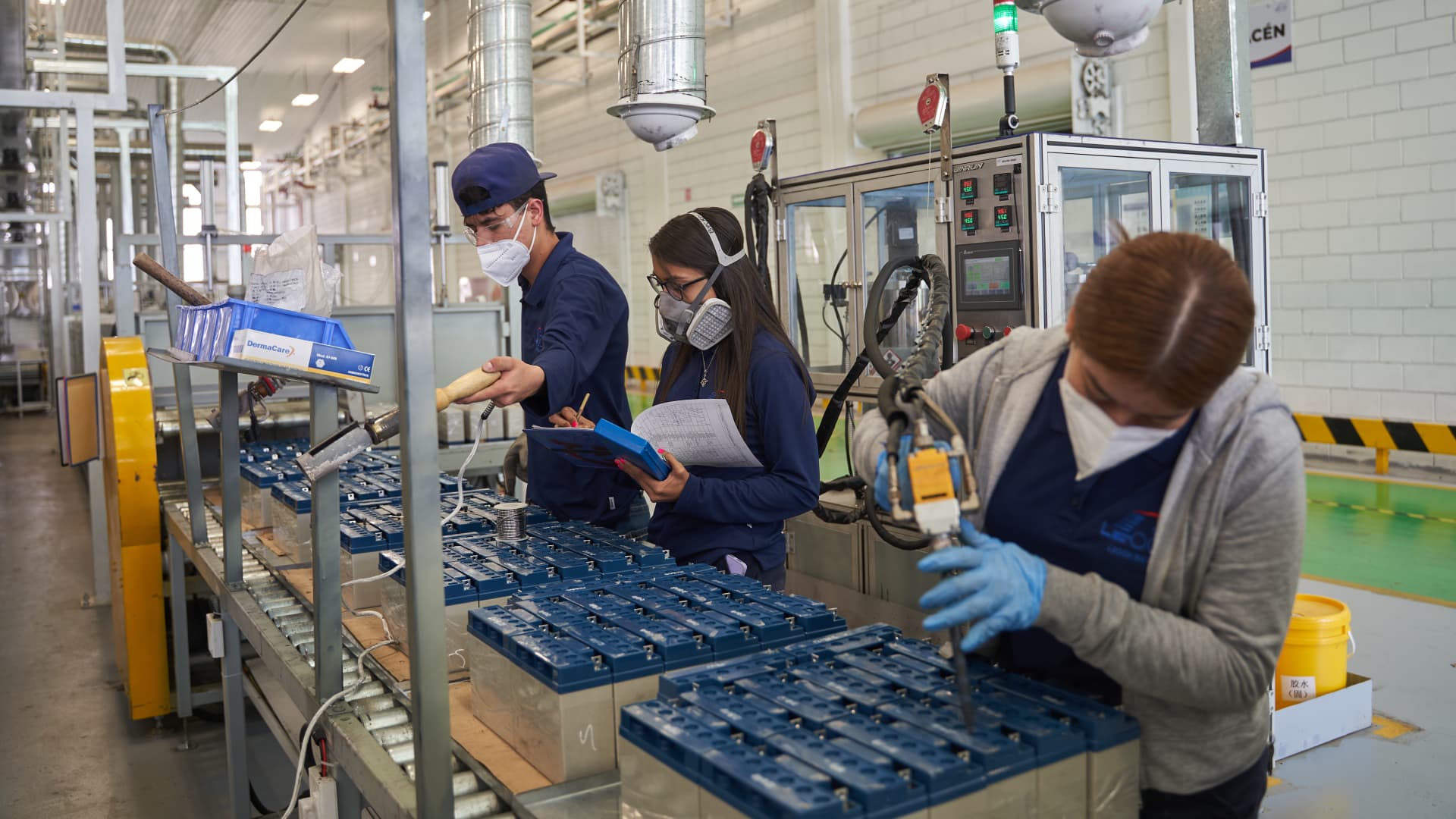
China’s Manufacturing Surge: A Record-Breaking February for Factory Activity
In a remarkable turn of events, China’s manufacturing sector has showcased an extraordinary performance in February, breaking records in factory activity. A recent private survey has indicated that factory activity not only expanded but did so at an unprecedented pace, marking the fastest growth in three months. This surge holds significant implications for both the global economy and the ongoing recovery of China’s industrial sector.
Understanding the Manufacturing Surge
The manufacturing surge observed in February is a reflection of several critical factors that have converged to create an environment conducive to growth. Notably, the Manufacturing Purchasing Managers’ Index (PMI) reported a rise, indicating increased production levels, new orders, and a rebound in export activity. The PMI, a vital economic indicator, provides insights into the health of the manufacturing sector by surveying purchasing managers across various industries.
According to the latest data, the PMI rose to 52.6 in February, up from 50.1 in January. A reading above 50 indicates expansion, while below signifies contraction. This notable increase suggests that manufacturers are responding positively to both domestic and international demand, an encouraging sign for the economy.
Factors Driving the Growth
Several factors are at play, driving this manufacturing surge:
- Post-Pandemic Recovery: As global markets begin to stabilize following the COVID-19 pandemic, demand for Chinese goods is rebounding. This resurgence has been particularly evident in sectors such as electronics, textiles, and machinery.
- Government Initiatives: The Chinese government has implemented a series of policies aimed at boosting industrial growth. These include tax incentives, subsidies for manufacturers, and investments in infrastructure, all of which have contributed to a more favorable business environment.
- Supply Chain Resilience: Manufacturers have worked diligently to strengthen their supply chains, ensuring they can meet rising demand. Innovations and technology adoption have played key roles in improving efficiency and reducing lead times.
- Export Demand: A rebound in global consumer sentiment has led to increased demand for Chinese exports. With economies in the West reopening, the appetite for Chinese goods has surged, fueling production in factories.
The Implications for the Global Economy
The implications of China’s manufacturing surge extend far beyond its borders. The global economy is intricately linked to China’s industrial output, and this robust performance could signal a broader recovery trajectory. Here are some key takeaways:
Boosting Global Supply Chains
As China’s factories ramp up production, global supply chains are expected to stabilize. Many countries rely on Chinese manufacturing for a wide array of products, and increased activity can alleviate some of the bottlenecks that have plagued international trade. This could lead to faster delivery times, lower prices, and ultimately a more efficient global economy.
Investor Confidence
China’s manufacturing surge is likely to enhance investor confidence, not only in China but across emerging markets. Investors often look to manufacturing data as a barometer of economic health. A strong manufacturing sector can attract foreign direct investment (FDI), which is essential for sustained economic growth.
Commodities and Raw Materials
The increased demand for raw materials and commodities, driven by China’s manufacturing surge, can impact global markets. Prices for metals, energy, and agricultural products may rise as manufacturers increase their output, which can have a cascading effect on economies reliant on these resources.
Challenges Ahead
While the current manufacturing surge is indeed promising, challenges remain that could impact future growth. These include:
- Geopolitical Tensions: Ongoing geopolitical issues, particularly between China and the United States, could create uncertainties in trade policies, potentially affecting China’s manufacturing output.
- Supply Chain Disruptions: Although improvements have been made, the global supply chain remains vulnerable to disruptions, whether from natural disasters, political unrest, or health crises.
- Environmental Regulations: As China continues to prioritize sustainable development, manufacturers may face stricter regulations that could impact production processes and costs.
Looking Ahead: Sustainable Growth
The manufacturing surge in February is a clear indication of China’s resilience and capacity for growth. However, for sustainable long-term success, the focus must shift towards innovation, quality, and environmental responsibility. Manufacturers are increasingly adopting smart technologies, such as automation and artificial intelligence, to enhance productivity while reducing their environmental footprint.
Furthermore, diversifying the economy and investing in high-value industries—such as green technology and biotechnology—could provide new avenues for growth and reduce reliance on traditional manufacturing sectors.
Conclusion
In conclusion, China’s manufacturing surge in February marks a pivotal moment for its economy and the global market. The record-breaking factory activity not only highlights the effectiveness of government initiatives and the resilience of manufacturers but also signals potential opportunities for investors and businesses worldwide. As the world watches closely, the hope is that this growth can be maintained sustainably, fostering long-term economic stability both in China and beyond.
As the landscape continues to evolve, stakeholders across industries must remain agile, adapting to changes and seizing opportunities as they arise in this dynamic environment. The future of China’s manufacturing sector looks promising, and it will undoubtedly play a critical role in shaping the global economy in the years to come.
See more CCTV News Daily