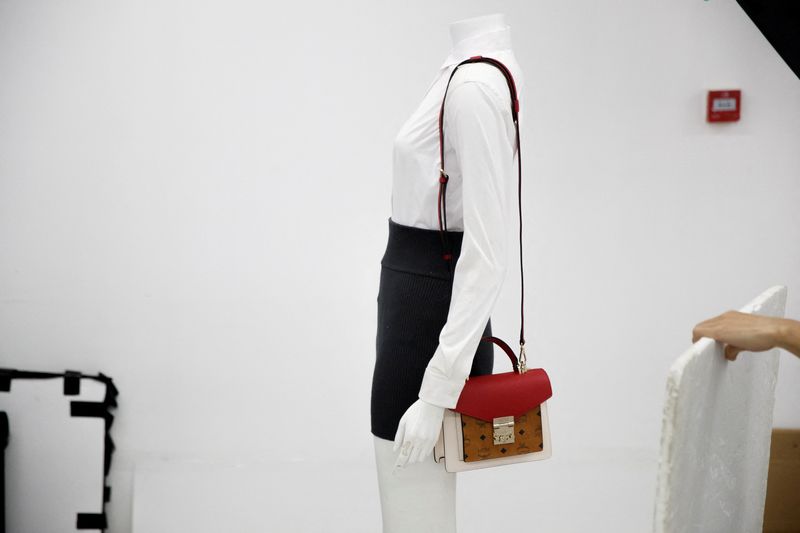
Luxury at Bargain Prices: The Unfolding Price Wars in China
As China’s economy faces the pressures of deepening deflation, a surprising trend is emerging in the luxury market. Brands that once maintained an air of exclusivity are now engaging in a price war that could redefine consumer expectations and reshape global luxury trends. The recent decision by Coach to offer bags for as low as $30 has raised eyebrows and sparked discussions about the future of luxury goods in a changing economic landscape.
The Context of China’s Economic Landscape
To understand the factors driving this price adjustment, it is essential to first analyze the current economic climate in China. The country is grappling with significant deflation, characterized by a persistent decrease in consumer prices. According to the National Bureau of Statistics of China, consumer prices fell by 0.3% in July 2023 compared to the previous year. This economic backdrop presents a challenging scenario for luxury brands that thrive on high margins and premium pricing strategies.
The Price Cut Phenomenon
Luxury brands like Coach, which traditionally positioned themselves at the high end of the market, are now resorting to aggressive pricing strategies to stimulate demand. The introduction of $30 Coach bags is not merely a promotional gimmick but rather an indication of a broader shift within the industry. Industry analysts suggest that this move signals a significant pivot towards accessibility, challenging the notion that luxury must always come at a premium price.
Implications for Global Luxury Trends
- Changing Consumer Behavior: As more consumers in China adjust to tightening budgets, the allure of luxury goods at reduced prices may attract a new demographic. This shift could lead to a more diverse customer base seeking affordable luxury, expanding the market beyond the traditional affluent consumers.
- Brand Perception: While lower prices may attract new customers, there is a risk that luxury brands could dilute their prestigious image. The challenge for companies like Coach will be to balance accessibility with exclusivity, ensuring that the brand does not lose its inherent value in the eyes of existing customers.
- Impact on Competitors: The price wars initiated by Coach could trigger a domino effect among other luxury brands. If competitors like Gucci, Prada, and Louis Vuitton follow suit, the entire luxury market may undergo a transformation, leading to increased competition and potentially eroding profit margins across the board.
- Shift Towards Sustainability: As luxury brands lower prices, there may also be a shift towards more sustainable practices. Consumers are increasingly valuing brands that prioritize ethical sourcing and production, and luxury companies may need to embrace these values to maintain their relevance.
Looking Ahead: The Future of Luxury in China
As the luxury market in China evolves, several key trends are likely to shape its future. First, the ongoing economic uncertainties may prompt brands to adopt a more flexible pricing strategy, allowing them to respond swiftly to market demands. This agility will be crucial in navigating the complex landscape of consumer preferences.
Second, the integration of technology in retail experiences will continue to play a pivotal role. With the rise of e-commerce and digital marketing, luxury brands must leverage these platforms to connect with consumers effectively. Personalized shopping experiences, augmented reality, and virtual try-ons will become increasingly important as brands seek to engage a tech-savvy audience.
Finally, as global luxury trends are influenced by the Chinese market, brands worldwide will need to keep a close eye on these developments. The shift towards more affordable luxury may inspire similar movements in other regions, creating a ripple effect that could redefine luxury retail on a global scale.
Conclusion
The price wars in China, exemplified by Coach’s unprecedented pricing strategy, represent a significant turning point in the luxury market. As brands grapple with deflation and changing consumer expectations, the implications of these price cuts extend far beyond China’s borders. The luxury landscape is poised for transformation, and the coming years will reveal whether these changes lead to a more inclusive and accessible luxury market or risk undermining the very essence of luxury itself.
See more CCTV News Daily