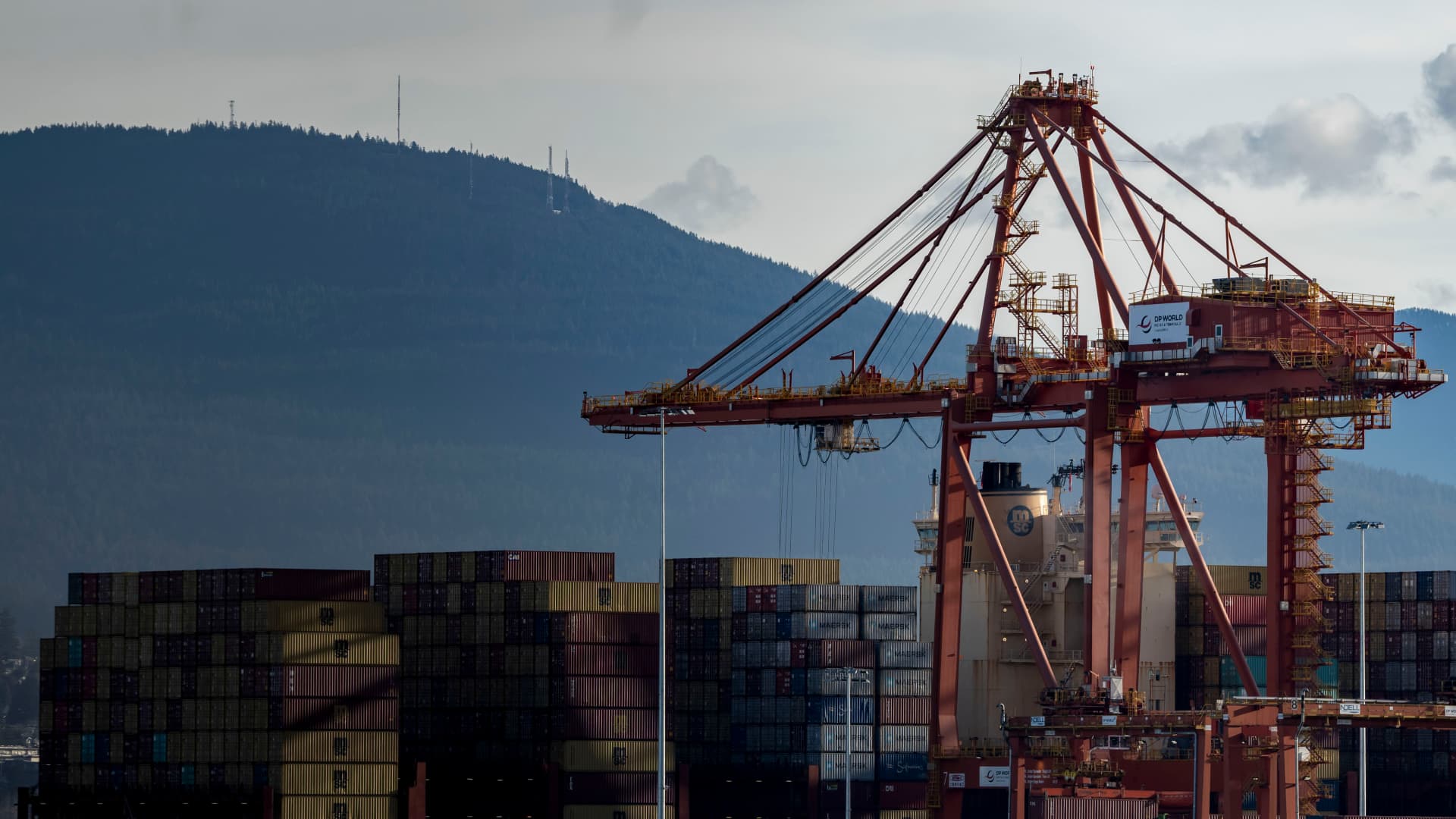
Rising Tensions: China’s Retaliatory Tariffs Target Canadian Goods
In a significant escalation of economic hostilities, China has announced new tariffs on select Canadian products, intensifying the ongoing trade war between the two nations. This development raises concerns about the broader implications for international trade and diplomatic relations. As countries increasingly resort to economic measures as tools of foreign policy, the world watches closely how this latest round of tariffs will shape the future of Canada-China relations.
The Background of Canada-China Trade Relations
Canada and China have shared a complex yet mutually beneficial trade relationship for years. With Canada exporting a range of products—like timber, agricultural goods, and minerals—China has emerged as one of Canada’s largest trading partners. In 2021 alone, bilateral trade exceeded $100 billion, showcasing the interdependence of both economies.
However, this relationship has not been without its challenges. Increasingly, political tensions—sparked by issues ranging from human rights concerns to the detention of Huawei executive Meng Wanzhou—have strained diplomatic ties. The latest tariffs represent a new chapter in this ongoing saga, signaling that economic sanctions are becoming a common response to political disagreements.
Understanding the New Tariffs
China’s recent announcement of retaliatory tariffs specifically targets various Canadian goods, including agricultural products such as canola oil and pork. By imposing these tariffs, China aims to assert its economic leverage while simultaneously sending a clear message regarding its dissatisfaction with Canada’s stance on several geopolitical issues.
- Canola Oil: One of Canada’s most significant exports to China, canola oil is a staple in Chinese cooking. The tariffs on this product could severely impact Canadian farmers and producers.
- Pork Products: Canadian pork has found a robust market in China. Tariffs could lead to a price hike for consumers and a downturn for Canadian producers.
- Forestry Products: With extensive forests, Canada is a major supplier of timber. Tariffs on this sector could hurt the Canadian forestry industry, which is still recovering from previous trade disputes.
The Economic Impact of Tariffs on Canadian Goods
The imposition of tariffs invariably alters the landscape of international trade. For Canadian businesses, the immediate effects of these tariffs could be profound. Companies reliant on exports to China may face declining sales, leading to job losses and reduced economic growth. Here are some potential impacts:
- Increased Costs: Canadian companies may find themselves facing increased production costs as they seek alternative markets or suppliers.
- Supply Chain Disruptions: Tariffs can disrupt established supply chains, making it more difficult for businesses to operate efficiently.
- Consumer Prices: Higher tariffs often translate to increased prices for consumers, leading to potential inflationary pressures.
Diplomatic Repercussions
Beyond the economic implications, these tariffs threaten to exacerbate diplomatic tensions between Canada and China. The retaliatory measures may lead to a cycle of escalation, where each country responds to the other’s actions with further sanctions. This environment of hostility could hinder cooperation on critical global issues, such as climate change and public health.
Moreover, Canada’s allies, particularly in the West, may be compelled to take sides, further complicating the international landscape. The geopolitical implications of this trade war could result in a broader realignment of global trade relationships, as countries reassess their dependencies on both Canadian and Chinese goods.
Potential Strategies for Canadian Businesses
In the face of rising tensions and retaliatory tariffs, Canadian businesses must adopt proactive strategies to mitigate the impact:
- Diversification: Businesses should explore alternative markets to reduce their reliance on China. Expanding into emerging markets can help buffer against losses.
- Innovation: Investing in research and development will allow companies to create new products that can appeal to different markets, thus reducing vulnerability to tariffs.
- Collaboration: Canadian firms could benefit from forming alliances with other countries facing similar trade issues, working together to advocate for fair trade practices.
International Reactions to the Trade War
The global community has responded with concern to the rising tensions between Canada and China. Trade experts warn that the ramifications of such disputes extend beyond bilateral relations, potentially affecting international supply chains and economic stability. Other countries are observing the situation closely, as the outcome of this trade war could set precedents for future trade negotiations and conflicts.
Countries that rely heavily on exports to China, such as Australia and New Zealand, may be particularly interested in how Canada navigates these turbulent waters. The strategies employed by Canada could either serve as a blueprint for others or warn against the pitfalls of escalating trade conflicts.
Looking Towards the Future
As tensions rise and retaliatory tariffs on Canadian goods become part of the broader trade war narrative, the future of Canada-China relations hangs in the balance. Both nations must find a way to de-escalate tensions and work towards constructive dialogue. The importance of diplomacy cannot be overstated, especially in a world increasingly characterized by economic interdependence.
Ultimately, both Canada and China have much to gain from a stable trade relationship. By focusing on collaboration rather than conflict, both countries can seek to benefit from their shared interests and mutual economic goals. The key lies in finding common ground amidst the rising tensions and crafting solutions that promote peace and prosperity for all involved.
Conclusion
In summary, China’s retaliatory tariffs on Canadian goods mark a significant escalation in the ongoing trade war between the two nations. The implications extend beyond economics, influencing diplomatic relations and international trade dynamics. As both countries grapple with the consequences of these measures, a path towards reconciliation and cooperation may hold the key to a more stable and prosperous future.
See more CCTV News Daily