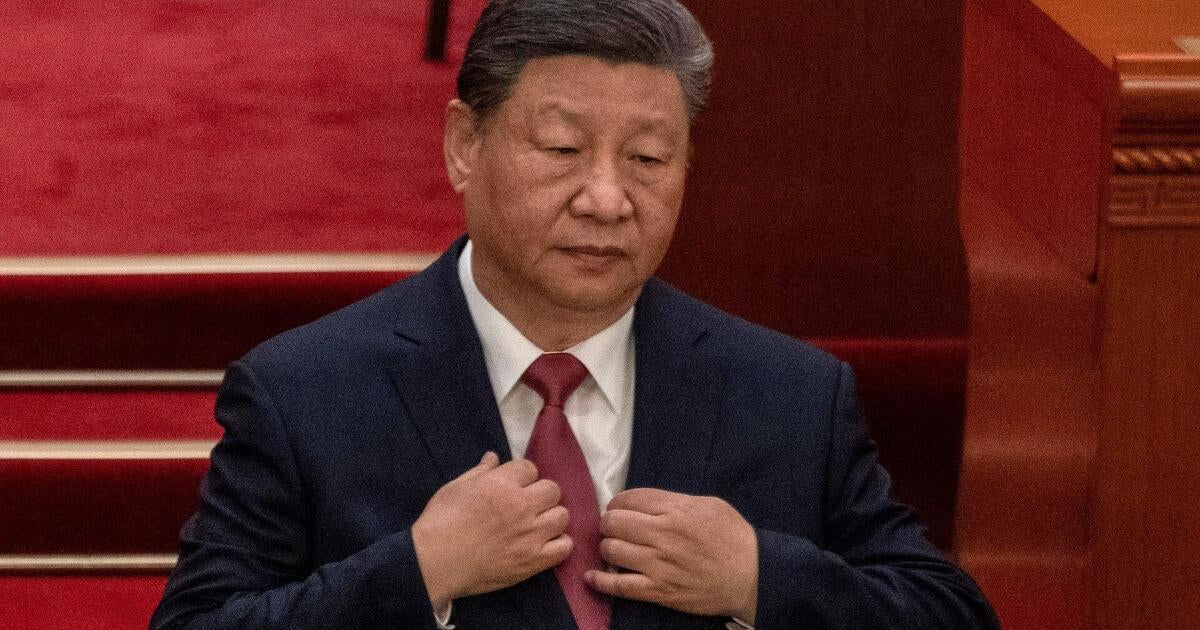
As the world watches the intricate dance of international trade unfold, one of the most significant developments has been China’s implementation of retaliatory tariffs against the United States. These tariffs, aimed at countering U.S. trade policies, have sent shockwaves through American agriculture and financial markets. Farmers, investors, and policymakers are bracing themselves for the potential fallout as they navigate the storm of economic uncertainty.
Understanding the Context of China’s Retaliatory Tariffs
China’s retaliatory tariffs are part of a broader trade war that began with the U.S. imposing tariffs on a variety of Chinese goods. The rationale behind these tariffs was to protect American industries and address trade imbalances. However, the repercussions have extended far beyond the initial targets. The agricultural sector, a vital part of the American economy, has faced particular challenges as China is one of the largest importers of U.S. agricultural products.
The Immediate Impact on American Farmers
The agricultural community has been one of the hardest hit by these tariffs. Many American farmers relied heavily on exports to China, particularly for products like soybeans, pork, and dairy. With the introduction of retaliatory tariffs, the cost of exporting these goods has risen significantly, making them less competitive in the Chinese market. The following points highlight the immediate impact:
- Decreased Demand: Chinese tariffs on U.S. agricultural products have led to a sharp decline in demand. Soybean exports, for example, which previously constituted a substantial profit for many farmers, have seen a drastic decrease.
- Price Volatility: The tariffs have resulted in increased price volatility for agricultural commodities. Farmers are often left with unsold stock, leading to price drops that hurt their bottom line.
- Financial Strain: Many farmers are facing financial strain, with some unable to cover operational costs, leading to an increase in bankruptcies in the agricultural sector.
The Ripple Effect on Agricultural Markets
The impact of China’s retaliatory tariffs on American agriculture extends beyond just farmers; it reverberates throughout the entire agricultural supply chain. This ripple effect can be observed in several key areas:
- Supply Chain Disruptions: With decreased exports, suppliers of farming equipment, seeds, and fertilizers may face reduced sales, leading to layoffs and reduced investment in agricultural innovation.
- Rural Economies at Risk: Many rural communities depend on agriculture for their livelihoods. The downturn in farming profits can lead to a broader economic decline in these areas, affecting local businesses and services.
- Long-term Contracts and Relationships: Farmers who had established long-term contracts with Chinese buyers may find themselves in precarious situations, needing to renegotiate terms or seek new markets.
Stock Markets and Investor Sentiment
The implications of China’s tariffs extend into the financial markets as well. Investor sentiment can shift rapidly based on the latest news regarding trade relations, leading to increased volatility in stock prices.
The Impact on Agricultural Stocks
Companies involved in agricultural production, processing, and distribution have felt the brunt of these tariffs. Agricultural stocks have been under pressure as investors reassess the future profitability of these companies. Here’s how:
- Declining Share Prices: Companies that primarily export to China have seen their share prices drop, reflecting lowered earnings expectations.
- Increased Market Uncertainty: Investors are becoming more cautious, which could lead to reduced investment in agricultural stocks, further exacerbating the decline in share prices.
- Shifts in Investment Strategies: As agricultural stocks become riskier, investors may pivot toward sectors that are perceived as more stable, leading to further declines in agricultural stock values.
Potential Strategies for Farmers and Investors
In light of these challenges, farmers and investors must adapt their strategies to navigate the storm created by China’s retaliatory tariffs. Here are some potential strategies:
- Diversification: Farmers might consider diversifying their crops or exploring new markets to reduce reliance on exports to China.
- Government Support Programs: Engaging with government programs designed to support farmers affected by trade disputes can provide crucial financial assistance.
- Investing in Sustainability: Investors should consider companies that focus on sustainable agriculture and innovative practices, as these may be better positioned to weather economic uncertainties.
Looking Toward the Future
While the situation may seem bleak for American farmers and agricultural markets, there are reasons for cautious optimism. The global demand for agricultural products remains robust, and there are opportunities for American farmers to explore new markets beyond China. Additionally, advancements in technology and sustainable practices may help farmers increase their resilience in the face of trade challenges.
The Role of Policy and Negotiation
Policy decisions at both the national and international levels will greatly influence the future landscape of American agriculture. Ongoing negotiations and potential trade agreements could lead to the easing of tariffs and improved market access. Furthermore, building strong relationships with other trading partners can help mitigate the impact of retaliatory tariffs.
Conclusion
In conclusion, as China’s retaliatory tariffs take hold, the impact on American agriculture and markets is profound and far-reaching. While the challenges are significant, they are not insurmountable. By adapting strategies, seeking new opportunities, and advocating for favorable trade policies, American farmers and investors can chart a course through this economic storm. The resilience of the agricultural sector, coupled with innovative approaches and governmental support, will be crucial as the nation navigates these turbulent waters.
See more CCTV News Daily