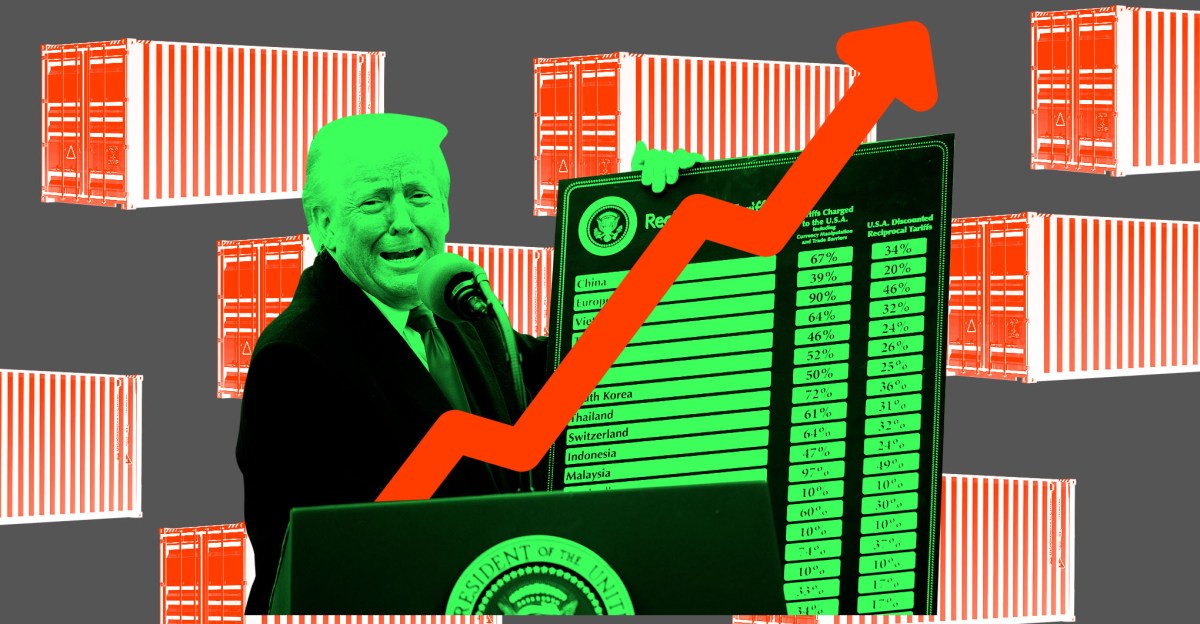
China’s Strategic Tariff Response Mirrors Trump-Era Trade Policies
In a calculated countermove, China announced new tariffs on $60 billion worth of U.S. goods this week, precisely matching the rates imposed by the Trump administration in 2018. The retaliatory measures, targeting agricultural products and manufactured goods, signal escalating trade tensions as both nations adopt increasingly protectionist stances. Experts warn this tit-for-tat strategy could destabilize global supply chains and reignite inflationary pressures.
The Numbers Behind the Trade Standoff
China’s Ministry of Commerce revealed the tariffs will affect 5,140 American products, with rates ranging from 5% to 25%. This mirrors the Trump administration’s Section 301 tariffs that initially targeted $50 billion in Chinese imports, later expanded to cover $550 billion worth of goods. Key sectors impacted include:
- Agricultural commodities (soybeans, pork, dairy) – 25% tariff
- Automotive parts and vehicles – 15-25% tariff
- Chemicals and plastics – 10-20% tariff
“This isn’t just about economics—it’s geopolitical chess,” remarked Dr. Lin Wei, trade policy analyst at Peking University. “By mirroring Trump’s exact tariff structure, China demonstrates both retaliation capability and negotiation leverage.”
Historical Context: From Trade War to Cold War
The current measures revive memories of the 2018-2020 trade war that saw average U.S. tariffs on Chinese goods rise from 3.1% to 21%, while China’s tariffs on U.S. exports jumped from 8% to 21.8%. According to UNCTAD data, the conflict cost both economies:
- $35 billion in lost U.S. exports (2018-2021)
- 1.5% reduction in China’s GDP growth (2019)
- 75,000 American manufacturing jobs lost (Peterson Institute estimate)
Former U.S. Trade Representative Michael Froman observes, “We’re seeing history repeat itself, but with higher stakes. Both economies are now more fragile—China facing property sector crises, the U.S. grappling with inflation.”
Global Reactions and Economic Implications
International markets reacted swiftly to the announcement. The Dow Jones Industrial Average dropped 450 points (1.3%) within hours, while Shanghai’s SSE Composite Index fell 2.1%. Currency markets saw the yuan weaken to 7.25 against the dollar, its lowest level since November 2022.
Sector-Specific Fallout
Agricultural exporters face particular vulnerability. Before the 2018 tariffs, China purchased $12.2 billion in U.S. soybeans annually—a figure that plummeted 75% during the trade war’s peak. “Farmers are collateral damage in these disputes,” said Iowa Soybean Association president Brent Renner. “It took three years to rebuild 60% of our Chinese market share after last time.”
Technology and manufacturing sectors also brace for impact. The Semiconductor Industry Association reports that 40% of U.S. chip exports currently go to China, representing $18 billion in annual trade now at risk.
Strategic Motivations Behind China’s Move
Analysts identify multiple factors driving Beijing’s decision:
- Timing: Coincides with U.S. election season, applying pressure on candidates
- Domestic optics: Projects strength amid economic slowdown
- Negotiation tactic: Creates urgency for trade talks
“This is classic ‘active defense’ strategy,” explains Georgetown University professor Evan Medeiros. “China waits for its adversary to strike first, then responds proportionally to claim moral high ground.”
Differing Perspectives on Trade Strategy
While some economists criticize the move as counterproductive, others see strategic merit. “In the short term, this hurts both sides,” admits MIT’s David Autor, whose research quantified the 2018 tariffs’ $16 billion annual cost to U.S. importers. “But China may calculate that prolonged pain could force U.S. concessions on technology restrictions.”
Contrastingly, Heritage Foundation analyst Riley Walters argues, “Beijing underestimates America’s capacity to diversify supply chains. Unlike 2018, we now have strong alternatives in Vietnam, India and Mexico.”
What Comes Next in the Trade Conflict?
The Biden administration faces difficult choices. Options under consideration include:
- Targeted tariff reductions on consumer goods to ease inflation
- New export controls on advanced technologies
- WTO dispute filings (though the appellate body remains nonfunctional)
Most observers anticipate negotiations will begin quietly through backchannel diplomacy. “Neither side can afford full-blown trade war now,” notes CSIS China expert Scott Kennedy. “But neither can appear weak—that’s why we’ll see gradual de-escalation masked by tough rhetoric.”
Long-Term Consequences for Global Trade
The conflict accelerates broader trends toward economic decoupling. Since 2018, U.S.-China bilateral trade as a percentage of total trade has fallen from 15% to 11%, while ASEAN nations’ share grew from 10% to 14%. Multinational corporations increasingly adopt “China+1” supply chain strategies, with 65% of Fortune 500 companies having diversified production since 2020 (McKinsey data).
As the world’s two largest economies continue their high-stakes standoff, businesses and consumers worldwide should prepare for prolonged uncertainty. Those affected by tariffs can stay informed through the U.S. International Trade Commission’s ongoing investigations into trade remedy cases.
The coming months will reveal whether this latest escalation becomes a short-term bargaining tactic or the foundation of a new, more divided global economic order—one where tit-for-tat measures replace multilateral cooperation. For now, the mirror reflects both nations’ willingness to endure pain for perceived strategic gains.
See more CCTV News Daily