China’s Strategic Countermeasure: Targeting U.S. Farmers and Tech Giants Amid Tariff Tensions
In a world that seems increasingly divided by trade disputes, the ongoing tensions between the United States and China have reached a critical juncture. As the U.S. administration, under former President Donald Trump, imposed tariffs aimed at reducing the trade deficit and addressing perceived unfair trade practices, China has formulated a strategic countermeasure. This response not only targets U.S. farmers but also aims at technology giants, raising significant questions about the implications for both nations and the global economy at large.
The Background of Tariff Tensions
The roots of the current trade tension can be traced back to a complex web of economic policies, trade practices, and geopolitical strategies. The U.S. has long accused China of unfair trade practices, including intellectual property theft, currency manipulation, and state support for its industries. In 2018, the Trump administration initiated a series of tariffs on Chinese goods worth billions of dollars, sparking retaliatory measures from Beijing.
China’s response was multifaceted, targeting key sectors of the U.S. economy. Among these, American farmers and tech companies emerged as primary targets, illustrating China’s strategic approach to inflicting economic pain where it would be most impactful.
Impact on U.S. Farmers
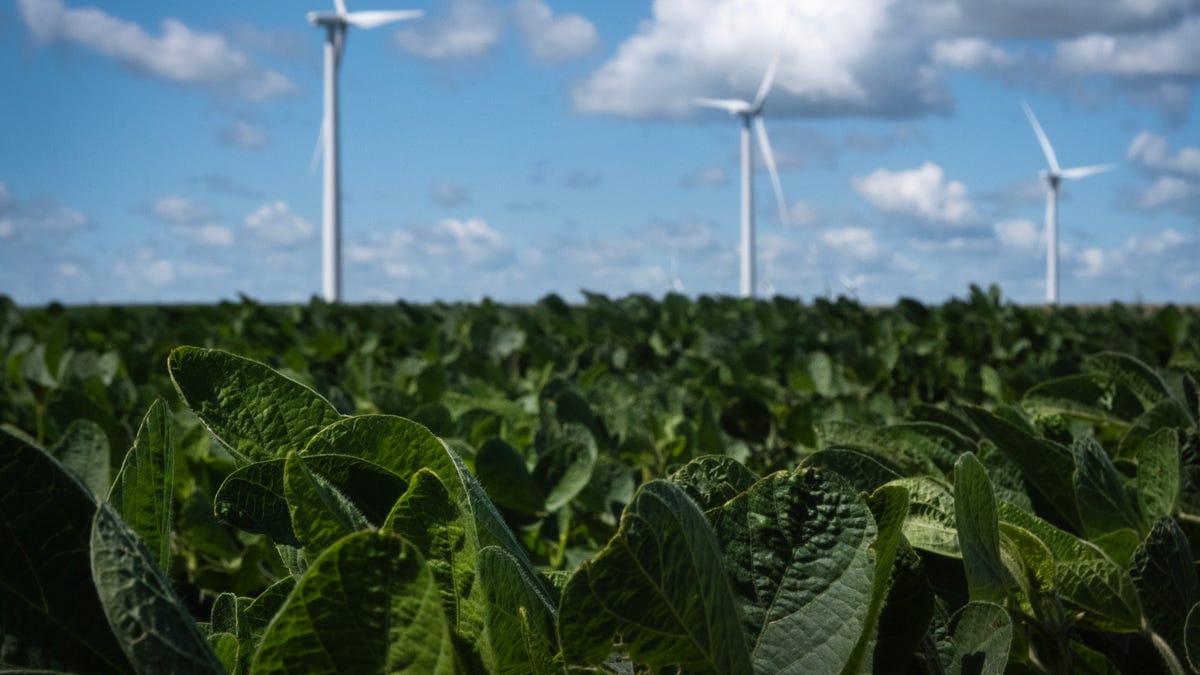
One of the most immediate casualties of the tariff war has been American agriculture. China, a major market for U.S. agricultural products, responded to the tariffs by imposing its own tariffs on a range of American exports, including soybeans, pork, and dairy products. This move significantly affected farmers across the Midwest, where soybean cultivation is a cornerstone of the agricultural economy.
- Decline in Exports: U.S. soybean exports to China plummeted from nearly 33 million metric tons in 2017 to just 14 million metric tons in 2018.
- Financial Strain: Farmers faced severe financial strain, leading to increased bankruptcies and a decline in rural economies.
- Shift in Markets: Many farmers sought alternative markets, but the transition proved challenging and did not compensate for the losses.
In response to these challenges, U.S. farmers have been vocal about their plight, urging policymakers to seek resolutions that would restore trade relations with China. The economic distress experienced by farmers resonates throughout rural communities, highlighting the broader implications of trade policies on American livelihoods.
Targeting Tech Giants
While American farmers felt the brunt of China’s retaliatory measures, tech giants like Apple, Qualcomm, and Intel also found themselves in the crosshairs. China’s tech industry is rapidly advancing, and the competition with U.S. firms has intensified. In this environment, Beijing has taken steps to bolster its domestic technology sector while simultaneously imposing restrictions on foreign companies.
- Supply Chain Disruption: U.S. tech companies rely heavily on Chinese manufacturing and supply chains. Tariffs and restrictions have disrupted these critical links.
- Market Access Challenges: China has implemented regulations that make it more difficult for U.S. tech firms to operate within its borders, thereby stifling their growth potential.
- Intellectual Property Concerns: U.S. companies have expressed concerns over intellectual property theft and forced technology transfers, further complicating their operations in China.
The impact on these tech giants reverberates through the stock market and has implications for innovation and research funding in the U.S. The ongoing trade conflict has led to a reassessment of supply chains, with companies exploring diversification to mitigate risks associated with reliance on China.
The Broader Implications for U.S.-China Relations
The strategic countermeasures taken by China against U.S. farmers and tech giants are more than just economic retaliations; they reflect the deep-seated complexities of U.S.-China relations. As economic ties strain, political tensions rise, leading to a precarious situation that could affect global stability.
- Geopolitical Tensions: The trade conflict has implications for diplomatic relationships, with both nations adopting more adversarial stances.
- Global Economic Impact: As the world’s two largest economies engage in a tit-for-tat, global markets react with volatility, affecting economies worldwide.
- Future Trade Policies: The outcomes of this trade conflict may shape future trade policies and international agreements, potentially leading to a more fragmented global trading system.
Potential Solutions and Path Forward
Amidst the challenges posed by these strategic countermeasures, there lies an opportunity for constructive dialogue and negotiation. Both nations need to recognize the importance of collaboration in addressing trade imbalances and fostering mutual growth. Solutions may include:
- Negotiated Trade Agreements: Reassessing existing trade agreements to ensure fairness and equity for both parties.
- Investment in Agriculture: U.S. policymakers could consider measures to support affected farmers, such as subsidies or alternative market initiatives.
- Innovation Partnerships: Promoting partnerships between U.S. and Chinese tech firms could lead to shared benefits and reduced tensions.
By focusing on building bridges rather than walls, both nations can pave the way for a more stable economic future, which would benefit not only their citizens but also the global community.
Conclusion
China’s strategic countermeasure of targeting U.S. farmers and tech giants amid tariff tensions underscores the intricate dance of economic dependency and competition between the two superpowers. As each side navigates the complexities of this relationship, the potential for resolution exists. By prioritizing dialogue over confrontation and recognizing the interconnectedness of their economies, the U.S. and China can work towards a more prosperous future, ultimately benefiting both nations and the world economy.
See more CCTV News Daily