“`html
China’s Bold 34% Tariff: A Game-Changer for U.S. Imports?
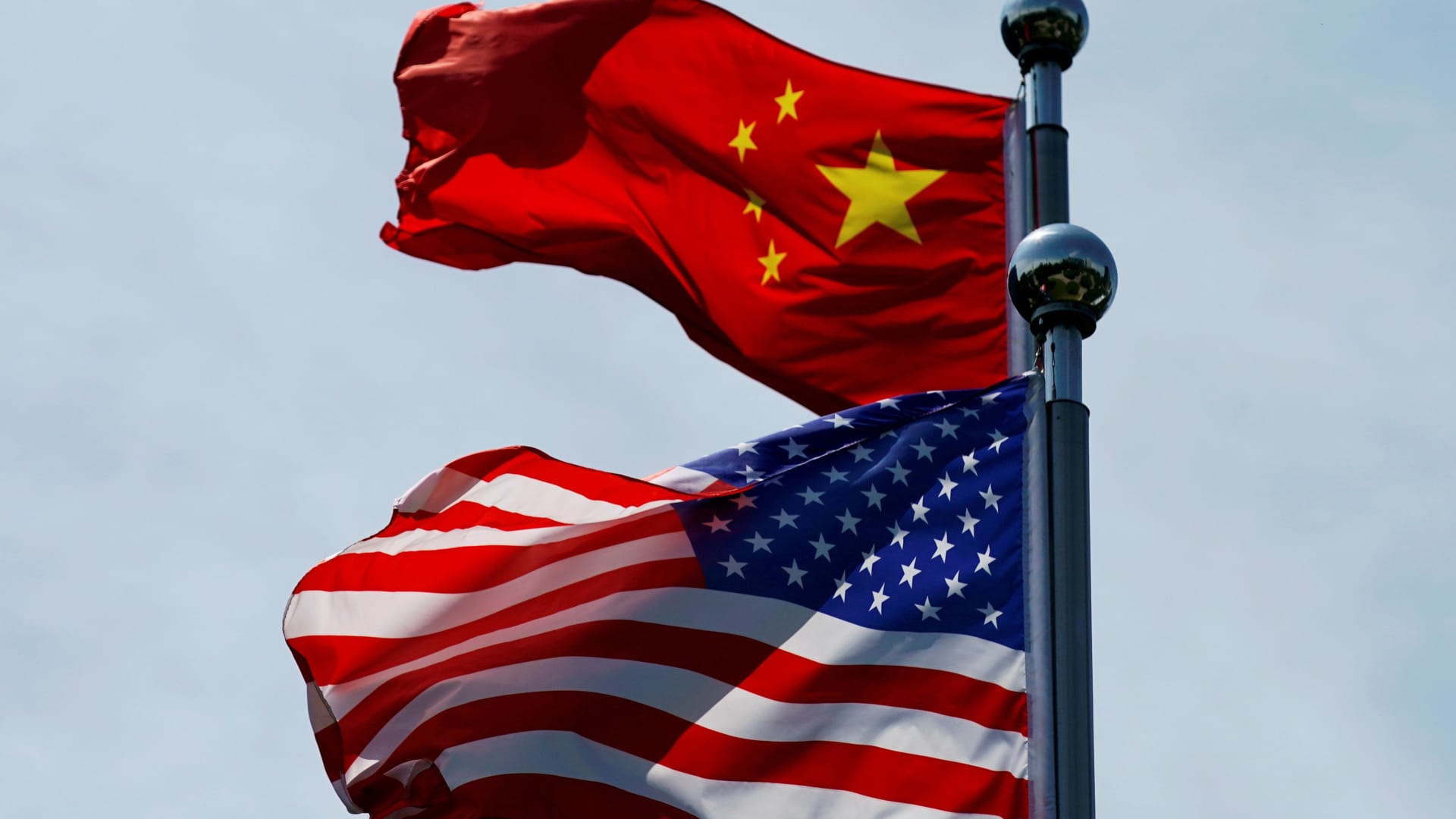
In a dramatic escalation of trade tensions, China has imposed a sweeping 34% tariff on all goods imported from the United States, effective immediately. The announcement, made by China’s Ministry of Commerce on Monday, marks one of the most aggressive trade measures in recent history and threatens to reshape global supply chains. Analysts warn the move could trigger inflationary pressures, disrupt bilateral trade worth $758 billion annually, and force U.S. exporters to scramble for alternatives in an already volatile market.
The Immediate Impact on U.S. Exporters
The new tariff structure delivers a direct blow to American industries that rely heavily on Chinese markets. Agricultural producers, semiconductor manufacturers, and automotive exporters—which collectively shipped $153 billion in goods to China last year—face the steepest challenges. Iowa soybean farmer Mark Richardson, whose operation sends 60% of its harvest to China, told reporters: “This isn’t just a tax—it’s a potential death sentence for family farms already operating on razor-thin margins.”
Key sectors affected include:
- Agriculture: Soybeans, pork, and dairy products face compounded pressures from existing 25% retaliatory tariffs
- Technology: Semiconductor exports dropped 18% in preliminary May data as buyers shift to South Korean suppliers
- Energy: Liquefied natural gas (LNG) shipments, a growing export sector, now face prohibitive costs
China’s Strategic Calculations Behind the Tariff
Trade experts suggest multiple motivations for Beijing’s aggressive posture. “This is both economic retaliation and strategic positioning,” explained Dr. Lihua Zhang, senior fellow at the Beijing Institute of International Economics. “By making U.S. goods uncompetitive, China accelerates its ‘dual circulation’ policy of reducing foreign dependence while boosting domestic production.”
The timing appears deliberate, coinciding with:
- U.S. election-year politics that limit Washington’s response options
- China’s record $1.2 trillion trade surplus in 2023
- Ongoing tech wars over semiconductor restrictions
Recent data from China’s Customs Administration reveals a 22% year-over-year increase in imports from ASEAN nations, suggesting Beijing has been preparing alternative supply chains for months.
Global Market Reactions and Ripple Effects
Financial markets reacted swiftly to the news, with the Dow Jones Industrial Average plunging 450 points at opening bell. Meanwhile, commodity markets saw immediate shifts:
- Soybean futures dropped 7.2% on the Chicago Board of Trade
- Copper prices rose 3.1% as traders anticipated Chinese domestic mining expansion
- The yuan weakened to 7.28 against the dollar, its lowest level since November 2022
“We’re witnessing the first tremors of a potential trade earthquake,” warned IMF Chief Economist Pierre-Olivier Gourinchas during a press briefing. “If sustained, these tariffs could shave 0.8% off global GDP growth in 2025 through disrupted supply chains and reduced efficiency.”
Potential U.S. Countermeasures and Escalation Risks
The Biden administration faces limited options, each carrying significant downsides. Retaliatory tariffs could further inflame tensions, while doing nothing risks political backlash. Commerce Secretary Gina Raimondo stated: “We’re evaluating all tools, including WTO challenges and strategic export controls, but our priority remains protecting American jobs and industries.”
Possible scenarios include:
- Targeted export bans on rare earth minerals critical to Chinese manufacturing
- Accelerated trade pacts with Vietnam, India, and Mexico to replace Chinese markets
- Currency interventions to offset pricing disadvantages
Long-Term Implications for Global Trade Architecture
Beyond immediate economic pain, the tariffs signal a fundamental shift in international trade norms. “The era of predictable U.S.-China trade relations is over,” noted Stanford economist Dr. Evelyn Cho. “We’re entering a period where national security consistently trumps economic efficiency in policy decisions.”
Emerging trends suggest:
- Accelerated “friendshoring” as companies relocate supply chains to allied nations
- Increased production costs for consumer goods ranging from electronics to apparel
- Potential fragmentation of technical standards between Western and Chinese-led blocs
What Comes Next in the Trade Standoff?
With neither side showing willingness to back down, businesses must prepare for prolonged disruption. Industry analysts recommend:
- Diversifying export markets beyond China within 6-12 months
- Securing long-term contracts with alternative suppliers
- Investing in automation to offset potential cost increases
As the situation develops, the International Chamber of Commerce has called for emergency negotiations to prevent full-scale trade war. “The global economy simply can’t absorb another shock of this magnitude,” stated ICC Secretary General John Denton. “Cooler heads must prevail.” For ongoing coverage and expert analysis of this developing story, subscribe to our trade policy newsletter.
“`
See more CCTV News Daily