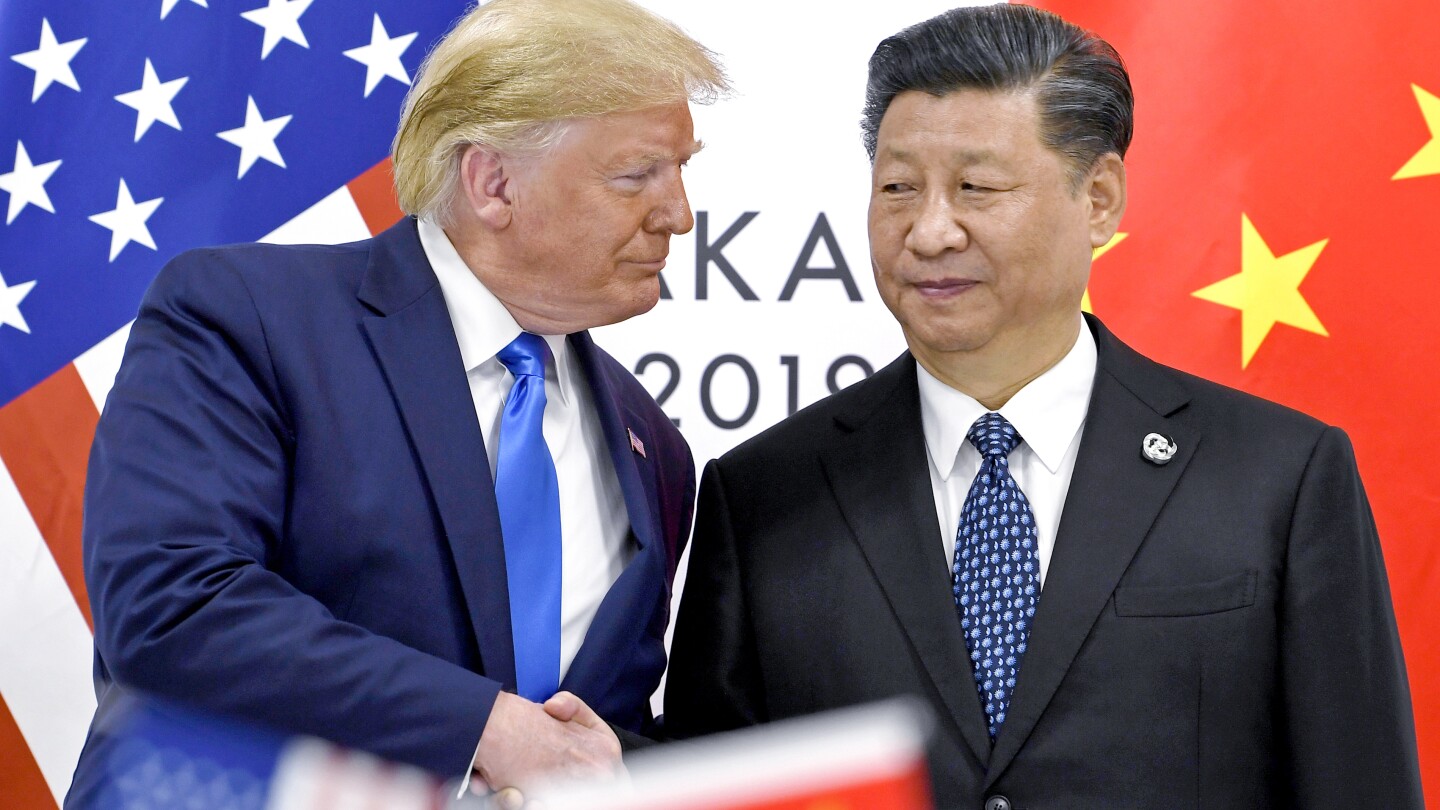
How China Adapted Its Trade Strategies in Response to Trump’s Tariff Tactics
In recent years, global trade dynamics have experienced significant turbulence, particularly due to the imposition of tariffs and trade restrictions by the United States. The trade policies initiated during Donald Trump’s presidency have compelled China to rethink and adjust its trade strategies. This article delves into how China adapted its trade strategies in response to Trump’s tariff tactics, exploring the lessons learned from the initial trade war and the proactive measures taken to navigate through these complex international waters.
The Context of Trump’s Tariff Tactics
Donald Trump’s administration, starting in 2018, implemented a series of tariffs on various Chinese goods, citing unfair trade practices and intellectual property theft as primary motivations. These tariffs ranged from 10% to 25%, impacting billions of dollars worth of goods. The U.S. aimed to reduce its trade deficit with China and restore American manufacturing jobs. However, the consequences of these tariffs rippled through the global economy, affecting supply chains and trade relationships worldwide.
China’s Initial Response: Short-term Measures
Initially, China’s response to Trump’s tariffs was reactive. The government implemented several short-term measures to cushion the blow:
- Retaliatory Tariffs: China imposed its own tariffs on U.S. imports, targeting agricultural products, automobiles, and other goods to exert pressure on American industries.
- Currency Manipulation: Analysts suggested that China allowed its currency, the yuan, to depreciate to make its exports more competitive against U.S. tariffs.
- State Support for Affected Industries: The Chinese government rolled out financial assistance packages for industries hit hardest by the tariffs, particularly in the agricultural sector.
These measures were primarily designed to mitigate immediate economic damage. However, they also highlighted the need for a more strategic, long-term approach to trade.
Learning from the First Trade War: A Strategic Pivot
As the trade war progressed, it became clear that reactive measures alone would not suffice. China began to draw lessons from the ongoing conflict, leading to a more strategic pivot in its trade policies:
- Diversification of Trade Partners: One of the most significant shifts was China’s effort to diversify its trading partners. By strengthening trade relations with countries in Southeast Asia, Africa, and Europe, China aimed to reduce its dependence on the U.S. market.
- Investment in Domestic Manufacturing: China ramped up efforts to bolster its domestic manufacturing capabilities. The “Made in China 2025” initiative was re-emphasized, focusing on high-tech industries like robotics, aerospace, and biotechnology.
- Enhancing Regional Trade Agreements: China actively pursued and signed various regional trade agreements, such as the Regional Comprehensive Economic Partnership (RCEP), which further integrated its economy with neighboring countries.
Adapting Trade Strategies: Long-term Measures
In addition to immediate and strategic responses, China implemented several long-term measures to adapt its trade strategies effectively:
Strengthening Supply Chains
Recognizing the vulnerabilities exposed by the trade war, China has focused on strengthening its supply chains. This involved:
- Investing in Technology: China has prioritized investment in advanced manufacturing technologies, aiming to enhance productivity and reduce reliance on foreign technology and components.
- Building Resilience: By diversifying sources for raw materials and components, China is working to build resilience into its supply chains, mitigating risks associated with U.S. tariffs or sanctions.
Expanding E-commerce and Digital Trade
As global trade shifts increasingly towards digital platforms, China has capitalized on e-commerce’s explosive growth:
- Promotion of Domestic E-commerce Platforms: Companies like Alibaba and JD.com have received support to expand their international reach, allowing Chinese products to penetrate new markets more easily.
- Digital Silk Road Initiative: Through the Digital Silk Road, China aims to enhance digital connectivity with countries involved in the Belt and Road Initiative (BRI), fostering trade in services and technology.
Diplomatic Engagements and Soft Power
China has also recognized the importance of diplomatic engagements as part of its trade strategy. By enhancing its soft power, China seeks to create a more favorable global environment for trade:
- Participation in Global Trade Organizations: China has been active in international organizations like the World Trade Organization (WTO), promoting itself as a champion of multilateralism and free trade.
- Strengthening Bilateral Relations: Through bilateral trade agreements and dialogues, China has sought to improve its relationships with key trading partners, including the European Union and ASEAN nations.
In summary, China has adeptly adapted its trade strategies in response to Trump’s tariff tactics, evolving from reactive measures to a comprehensive, long-term approach. By diversifying trade partnerships, investing in domestic capabilities, and enhancing its diplomatic engagements, China is positioning itself to navigate the complex landscape of international trade effectively.
The lessons learned from the initial trade war have not only helped China to mitigate immediate impacts but have also fostered a new era of strategic thinking about trade and economic growth. As global dynamics continue to shift, China’s adaptability may serve as a model for other nations facing similar challenges in the realm of international trade.
Ultimately, the resilience demonstrated by China in adapting to these economic challenges underscores the importance of strategic foresight and flexibility in navigating the modern global trade landscape.
See more CCTV News Daily